
When Makeup Highlights Skin Texture and Where Plenhyage May Fit
Foundation can make a skin concern more noticeable instead of concealing it. A product that once sat smoothly may begin to collect around fine lines, emphasise an uneven cheek surface or separate across particular areas. It is tempting to respond by purchasing another primer or a richer serum. However, a useful first step is to distinguish a makeup problem from a skin concern before deciding whether a cosmetic treatment deserves consideration.
Plenhyage is discussed in aesthetic practice for skin quality, including texture and hydration. That does not make it a solution for every occasion when foundation looks uneven. Understanding what happens with and without makeup helps a practitioner assess the concern and explain whether an injectable has a relevant role.
Look at the skin before adding more products
Consider whether the uneven appearance is visible on clean skin or only after makeup application. If it appears with one particular foundation, that observation belongs in the discussion. If the same area looks textured without makeup, explain that separately rather than treating both observations as identical.
It can help to record what you apply, in which order and where the problem appears. Include sunscreen, moisturiser and primer, since the finished result involves the full routine. This is a practical record, not an invitation to diagnose a medical cause yourself.
Avoid changing every product at once while trying to understand the pattern. A simple description of the routine gives the clinician clearer context than a list of new products introduced together. If there is discomfort or a rash, prioritise assessment of that symptom.
Separate visible texture from irritation
A rough-looking surface, a fine crease and inflamed skin are different observations. Aesthetic treatment discussions can become confusing when all are described as “bad texture.” Explain whether the skin feels comfortable and whether there is redness, itching, stinging or flaking.
Makeup and skincare can sometimes contribute to irritation or breakouts. Persistent symptoms deserve medical assessment rather than an automatic recommendation for an elective procedure. Bring the products or a written ingredient list if the practitioner asks for them.
The aim is to understand what needs attention first. Someone with comfortable skin and a longstanding cosmetic concern may have a different discussion from someone whose skin became sore after a new product. Those situations should not receive an identical package recommendation.
Clarify what you want makeup to do differently
“I want flawless foundation” is understandable but difficult to turn into a realistic treatment goal. Point out where makeup collects and what appearance bothers you. For example, an uneven surface on the cheeks is a more specific concern than a general request for a perfect complexion.
Also explain whether the issue affects your daily routine or mainly appears in close-up photographs. A concern visible under magnification may matter to you, but it should be discussed honestly so the expected improvement matches the way you intend to judge it.
No skin procedure can guarantee how every cosmetic product will perform. If treatment is proposed, ask about the intended change in the skin itself. Makeup behaviour can remain part of your experience without becoming an unsupported promise attached to the procedure.
Understand the role of a skin quality injectable
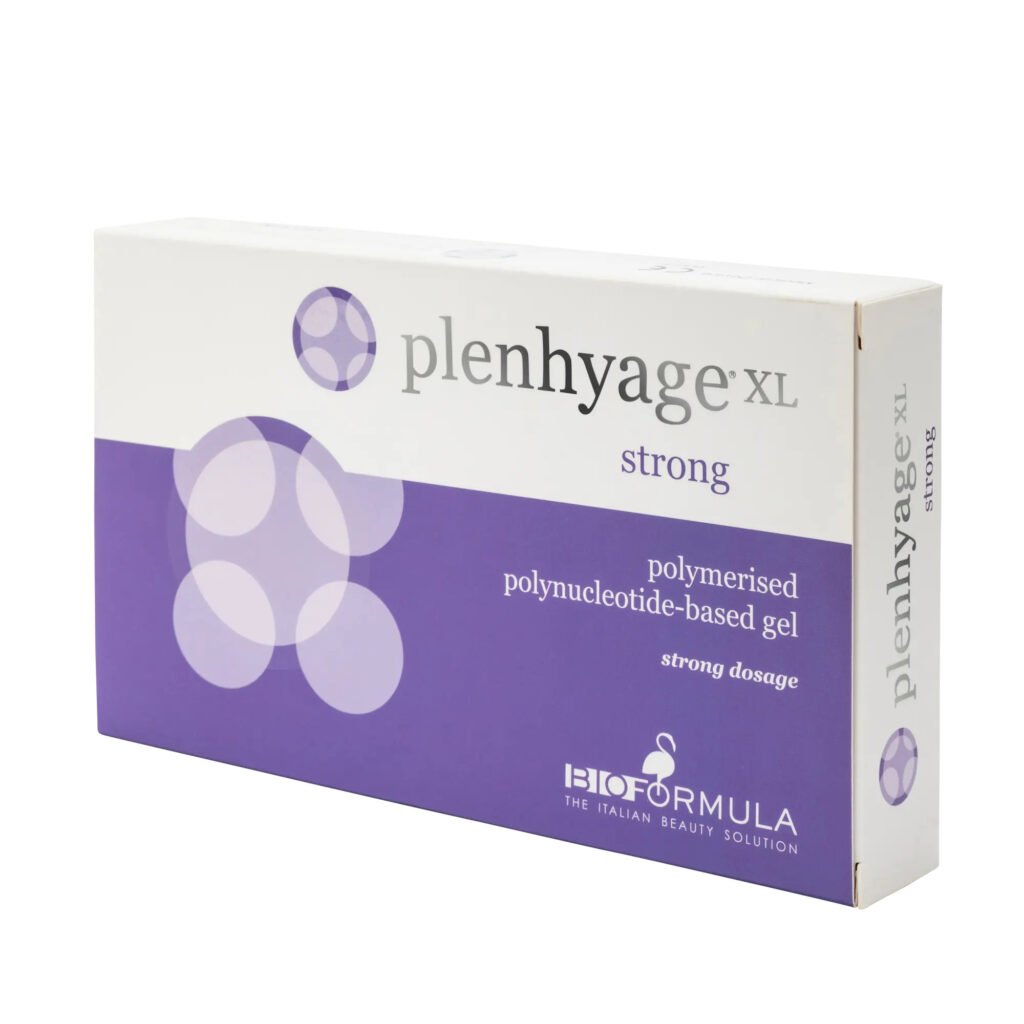
Plenhyage is a range of polynucleotide injectables considered for skin rejuvenation. Its formulations should be identified clearly, and product selection should follow an individual assessment. The proposed goal may concern the appearance of texture or fine lines rather than changing facial shape.
Ask which aspect of the skin the practitioner intends to address. If the main problem relates to a cosmetic product, irritation or another diagnosed issue, an injection may not be the relevant first step. A recommendation should explain that distinction.
It is useful to discuss what would remain unchanged as well as what might improve. A plan focused on general skin quality should not imply that it will remove every indentation, pigmentation mark or visible pore. Those concerns need their own assessment and expectations.
Connect the treatment discussion to your routine
People considering Plenhyage at Regions Clinic can bring their observations about makeup and bare skin to the consultation. Ask why the proposed formulation is relevant to the assessed concern and what evidence the practitioner uses to support that recommendation.
Explain previous procedures and the products you currently use. Also disclose medicines, ongoing conditions, allergies, pregnancy or breastfeeding, and earlier reactions to injections. Fish allergies are relevant to discuss because the range uses fish-derived ingredients.
Ask whether any skin issue should be addressed before an elective treatment. This keeps the appointment centred on your actual situation. A product name can help organise research, but it should not determine the recommendation before your skin has been examined.
Consider a simpler explanation before a complex plan
Some patients arrive with an extensive list of procedures they think they need. A more useful approach is to ask the practitioner to identify the priority and explain the least complicated reasonable plan. That plan may involve treatment, routine changes or further assessment.
If multiple procedures are suggested, ask what each one is intended to achieve. A laser, an injectable and another intervention should have distinct purposes rather than appear together because the package sounds comprehensive. Understand whether they can be evaluated separately.
You can also ask whether there is value in reviewing the concern after a simpler first step. A staged plan can make the decision easier to assess, particularly when your main observation involves a routine that has recently changed.
Plan for a period without your usual makeup
Ask how the procedure would affect makeup use immediately afterwards and request instructions specific to the treatment. Avoid relying on a general social media checklist. The clinic should explain the relevant restrictions and how long it expects them to apply.
Choose a date that works with your responsibilities. If makeup is part of your professional presentation or you have an important event, discuss the schedule before booking. A brief appointment does not mean visible marks are impossible.
Temporary redness, swelling, tenderness or bruising can follow injections. Understand the likely recovery and how to contact the clinic with concerns. Increasing pain, unusual skin colour changes or visual symptoms need prompt medical assessment rather than waiting for a routine appointment.
Photograph the concern in a useful way
Take comparison photographs under similar lighting and camera settings if the clinic recommends them. A filtered image of makeup and a sharply lit image of bare skin answer different questions. Keep those conditions consistent when trying to judge a change.
It may be useful to record both bare skin and your ordinary makeup application, provided you do not change the routine repeatedly during the comparison. Discuss this with the practitioner so the record supports the agreed goal rather than creating another source of confusion.
Do not search every photograph for a dramatic transformation. Return to the area that initially bothered you and the improvement the practitioner considered realistic. If the result is limited, ask for an explanation and reassessment rather than assuming more treatment is automatically required.
Review value in terms of your actual experience
An improvement can feel worthwhile when it addresses a specific frustration, even if it is subtle. Consider the change alongside the appointments, recovery and cost. Those practical factors are part of the decision, especially when treatment involves a course or proposed maintenance.
Ask whether any additional session has a clear purpose. A new concern noticed during review should be discussed separately, rather than quietly becoming part of the original plan. You should understand what is being proposed each time.
When makeup highlights texture, the most useful response is a clear assessment of the skin and routine. Plenhyage may be considered for a relevant skin quality goal, but the recommendation should explain why. That gives you a practical basis for deciding whether treatment is likely to address the concern that matters to you.