
How Can Landscape Zoning Help Make My Garden More Functional?
Gardens can look beautiful and still end up being underused. You might have lovely plants and stylish outdoor furniture, but if the seating area gets too much sun or there is no convenient place for family dinners, you may find yourself spending more time indoors.
Often, the problem is not the size of the garden. It is how the space has been arranged.
Landscape zoning helps you make better use of the space you already have. It involves creating different areas for activities such as relaxing, dining, gardening, and playing. Each area has a purpose, but everything still feels like part of the same garden.
This approach can be particularly useful in Dubai, where sunlight, heat, privacy, and material choices can affect how comfortable an outdoor space feels. With a little planning, even a small garden can become a place you enjoy using every day.
Define How You Want to Use Your Garden First
Before choosing plants, flooring, or furniture, think about what you want from your garden.
Do you enjoy having friends over for dinner? Would you prefer a quiet corner where you can read or enjoy your morning coffee? If you have children, you might need an open area where they can play without disturbing the rest of the garden.
There is no single layout that works for everyone. The right arrangement depends on your lifestyle and the space available.
For example, placing a dining table close to the house makes serving meals easier. A shaded seating corner may be more useful than a large lawn if you prefer relaxing outdoors in the evening.
Experienced Landscape Contractors in Dubai can help you work out where these areas should go, considering sunlight exposure, access, drainage, and the size of your garden.
The idea is not to create separate zones just for the sake of design. It is to make the garden work better for you.
What Areas Do You Need in Your Garden?
You do not need to include every possible feature. In fact, trying to fit too much into a small garden can make it feel crowded. Start with the activities that matter most and plan around them.
A Seating Area You Will Actually Use
A couple of comfortable chairs in the right spot can make a bigger difference than an elaborate outdoor lounge that nobody uses.
Choose a location with a pleasant view and enough room to move around. In Dubai, shade is particularly important. A seating area might look perfect in the morning but become uncomfortable when the afternoon sun hits.
A pergola or another suitable shading structure can help, depending on the garden’s orientation. A few carefully placed plants can also provide privacy without making the area feel enclosed.
Keep the arrangement simple and leave enough space to move chairs around comfortably.
An Outdoor Dining Space That Is Easy to Access
If your family enjoys eating outside, a dedicated dining area can make the garden much more practical.
Positioning the table near the house or kitchen makes it easier to carry food and drinks. It also means you are more likely to use the space regularly rather than saving it for special occasions.
Think about the small details. Can people pull out their chairs easily? Is there enough room to walk around the table? Will the flooring be easy to clean after a meal?
These things might seem minor during planning, but they can make a real difference once the garden is in use.
A Dedicated Area for Plants and Flowers
Plants bring life to a garden, but they need a little organisation too. When pots are scattered around every available corner, the space can quickly feel cluttered.
Consider arranging plants along a boundary, creating a dedicated planting bed, or using a few raised planters. This keeps the greenery organised while leaving the main areas open.
For gardens in Dubai, choose plants suited to local conditions and group them according to their sunlight and watering needs. This makes routine maintenance easier and helps you avoid giving every plant a different level of attention.
Space for Children, Hobbies, or Other Activities
If children regularly play outdoors, an open area may be more useful than several decorative features. The same applies if you enjoy exercising, gardening, or hosting barbecues.
Be realistic about the space available. A small garden may not comfortably accommodate a large dining terrace, multiple seating areas, a play zone, and extensive planting all at once.
Decide which activities are most important to your household and give those priorities enough room.
Pathways and Storage
Pathways are easy to overlook, but they help connect the different areas of your garden. Without clear routes, you may find yourself walking around furniture or stepping through planting beds to reach the seating area.
Plan convenient paths between the house, dining terrace, and other frequently used spaces.
Storage matters too. Garden tools, cleaning supplies, watering equipment, and spare cushions all need somewhere to go. A compact utility area can keep these items out of sight and make the garden easier to maintain.
How Can You Divide Your Garden Without Making It Look Smaller?
This is a common concern, especially in smaller villa gardens. Fortunately, you do not need walls or fences to create separate areas.
Here are a few simple ideas that work well:
- Use plants as natural boundaries. Low shrubs and ornamental grasses can separate areas without blocking the view.
- Choose different flooring materials. A change in surface can distinguish the dining terrace from the seating area.
- Add planters. Larger planters can provide privacy and help define a corner without taking up too much space.
- Use outdoor lighting. Pathway lights and softer lighting around seating areas make the garden more inviting after sunset.
- Keep furniture flexible. Movable chairs and compact tables make it easier to adapt the layout when needed.
The important thing is to make the different areas feel connected. Too many contrasting materials or decorative features can make a small garden look disjointed.
When planning the layout, Landscape Contractors in Dubai can help you find a balance between defining each zone and keeping the overall space open.
What Flooring Can You Use to Define Different Garden Areas?
Flooring can help distinguish one zone from another, but appearance should not be the only consideration. A surface that works well under a dining table may not be the best option for a poolside area or a frequently used pathway.
| Garden area | Suitable flooring options | What to consider |
|---|---|---|
| Dining terrace | Outdoor tiles or pavers | Easy cleaning and slip resistance |
| Seating area | Composite decking or outdoor tiles | Heat, comfort, and drainage |
| Pathways | Pavers or suitable stone | Safe and convenient movement |
| Poolside | Appropriate slip-resistant surfaces | Wet-foot safety and drainage |
| Planting beds | Soil, mulch, or suitable gravel | Plant health and water management |
| Utility area | Durable outdoor paving | Easy maintenance |
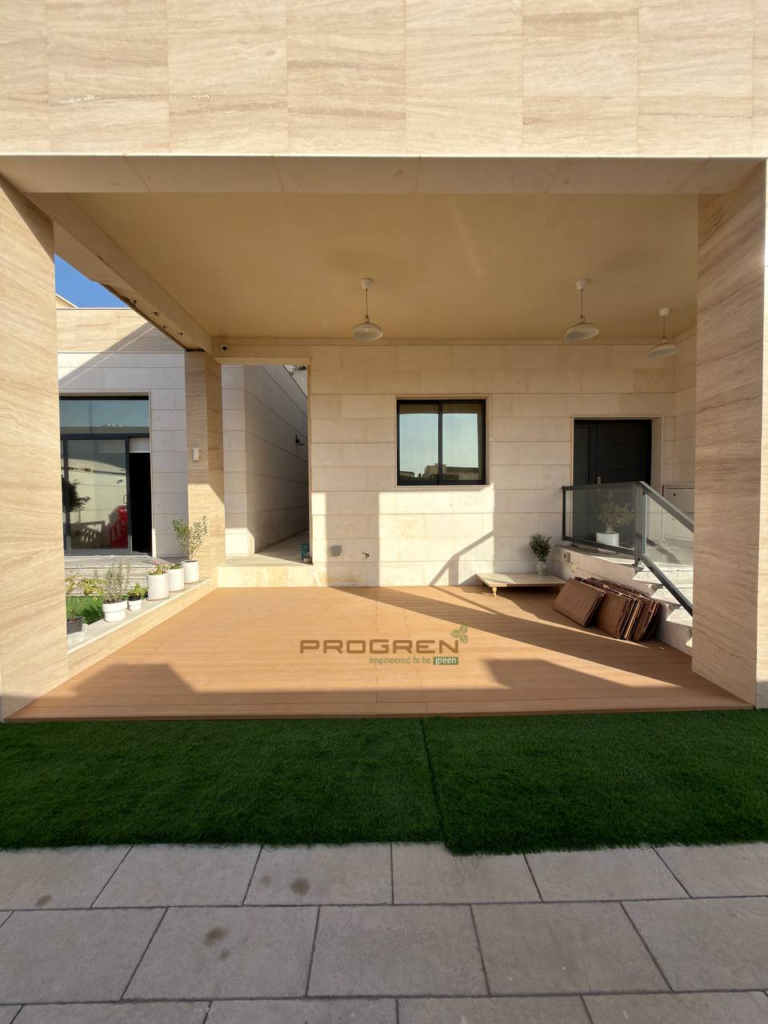
For outdoor terraces and seating areas, Composite Decking Dubai is worth considering if you want a timber-inspired finish without some of the routine upkeep associated with natural wood.
However, composite decking products vary. Some surfaces can become hot in direct sunlight, and installation requirements depend on the product. Check the manufacturer’s recommendations for heat performance, drainage, ventilation, and maintenance before making a decision.
Progren Flooring offers composite decking options that can be evaluated for suitable outdoor living areas. The best choice depends on where the material will be installed and how the space will be used.
For instance, a shaded seating terrace and an exposed garden pathway have different requirements. Choosing materials according to their purpose helps create a garden that looks consistent and works well in everyday life.
What Should You Consider When Planning a Garden in Dubai?
A garden that looks good in a photograph may not always be comfortable to use. In Dubai, the climate can influence everything from the placement of furniture to the plants you choose.
Plan for shade. Observe where the sun falls throughout the day before deciding where to place your dining table or seating area. A suitable shade structure can make an exposed area more comfortable.
Choose plants carefully. Plants suited to local conditions are generally easier to maintain. Grouping plants with similar watering needs can also help you manage irrigation.
Pay attention to drainage. Water should drain properly around paved surfaces, decking, and planting beds. Poor drainage can create problems for both plants and outdoor materials.
Think about privacy. If neighbouring properties overlook your garden, consider screens, pergolas, or strategically placed planting rather than enclosing the entire space.
Select materials for outdoor use. Heat, sunlight, and humidity can affect outdoor finishes. Check product specifications and installation recommendations before choosing a material.
Water-efficient planting and climate-responsive design are also useful considerations when planning a garden in the UAE. Choosing suitable plants and managing irrigation carefully can help reduce unnecessary maintenance.
A Simple Example of Zoning a Small Villa Garden
Imagine a family with a small villa garden who wants space for outdoor meals, relaxing, and growing a few plants. There is not enough room for large, separate areas, so the layout needs to be practical.
One end of the garden could have a compact dining table close to the house. A shaded seating corner could sit nearby, while a narrow planting bed along the boundary provides greenery without taking up much usable space.
| Zone | Simple arrangement | Main benefit |
|---|---|---|
| Dining | Compact table near the house | Makes outdoor meals more convenient |
| Seating | Comfortable chairs under suitable shade | Creates a place to relax |
| Planting | Narrow bed with suitable plants | Adds greenery without crowding the garden |
A clear pathway can connect all three areas. The seating corner could also double as a reading nook or a place to entertain guests, so there is no need to dedicate separate areas to every activity.
This is where landscape zoning becomes useful. It encourages you to think about how different parts of the garden can work together instead of adding features wherever there happens to be room.
Common Mistakes to Avoid When Planning Garden Zones
Some garden design problems only become obvious after the work is finished. A little preparation can help you avoid them.
- Trying to include everything. Too many features can leave little room to use any of them comfortably.
- Ignoring furniture size. Measure tables, chairs, and other large items before finalising the layout.
- Choosing surfaces based only on appearance. Materials should suit the local climate and the way each area will be used.
- Forgetting storage. Garden tools and outdoor accessories need a convenient place to stay when they are not in use.
- Overlooking shade and access. A beautiful seating area is less useful if it is uncomfortable or difficult to reach.
- Leaving planning until the last minute. Moving a planter is easy; changing a finished terrace can be considerably more complicated.
Thinking about these details before installation can save time, effort, and unnecessary expense.
Frequently Asked Questions
1. What is the purpose of landscape zoning?
Landscape zoning helps you organise a garden around different activities, such as dining, relaxing, gardening, and playing. It makes the space easier to navigate and helps prevent one activity from interfering with another.
2. Can landscape zoning work in a small garden?
Yes. Small gardens can benefit from zoning because every bit of space matters. Planters, changes in flooring, and appropriately sized furniture can create distinct areas without making the garden feel cramped.
3. Is composite decking a good option for a garden in Dubai?
It can be suitable when the product is designed for outdoor use and installed correctly. Consider sunlight exposure, surface temperature, drainage, ventilation, and maintenance requirements before choosing a product.
4. How much does landscape zoning cost?
The cost depends on the size of the garden and the changes you want to make. Rearranging furniture and adding planting borders is different from installing a new terrace, pergola, or outdoor lighting system. Start by setting a budget and deciding which improvements matter most.
5. Should I choose flooring before designing the garden?
It is generally better to plan the layout first. Once you know how each area will be used, you can select materials that suit its practical requirements and complement the overall design.
6. Can Progren Flooring help with choosing outdoor decking?
Progren Flooring offers composite decking options that can be evaluated for suitable outdoor living areas. Before selecting a product, check its specifications and suitability for the intended location.
Final Thoughts
A garden does not have to be large or filled with expensive features to be enjoyable. Sometimes, moving the dining table, creating a shaded seating corner, or making the pathways easier to use is enough to change how you experience the space.
Landscape zoning helps you think through these details before investing in new features. Start with your family’s routine, consider what the garden is currently missing, and focus on the changes that will make the biggest difference.
If you are considering Composite Decking Dubai for an outdoor terrace, look beyond its appearance and consider heat, drainage, comfort, and long-term maintenance.
Ultimately, a functional garden is one you actually enjoy using. Whether you are having dinner outside, spending time with family, or simply enjoying your morning coffee, thoughtful zoning can help you make the most of the outdoor space you already have.