
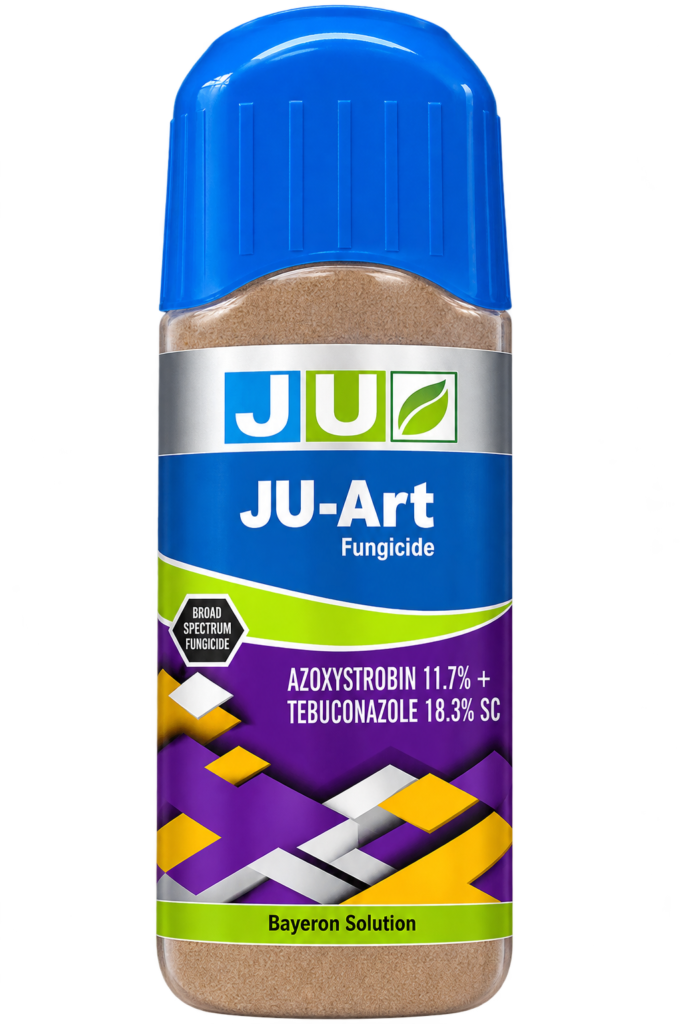
JU Agri Sciences: Best Fungicide for Rice Sheath Blight, Rice Blast Control, and Paddy Crop Protection
Understanding the Importance of Rice Crop Protection
Rice is one of the world’s most important staple crops, supporting the livelihoods of millions of farmers and providing food for a large part of the global population. In India, paddy cultivation plays a significant role in agricultural production and rural economies. However, rice crops can face several challenges during the growing season, including fungal diseases, insect infestations, unpredictable weather, and changes in field conditions.
Among the important diseases affecting paddy are sheath blight and rice blast. Both can damage plants and reduce grain quality when conditions favour disease development. Effective management depends on early identification, suitable agricultural practices, and the selection of an appropriate fungicide for rice based on the diagnosed disease.
JU Agri Sciences operates in the agricultural inputs sector, providing crop protection and plant nutrition products for farming requirements. Understanding the differences between a sheath blight control fungicide, a rice blast control fungicide, and an insecticide is an important step toward developing a practical crop management strategy.
What Is Rice Sheath Blight?
Rice sheath blight is a fungal disease associated with the pathogen Rhizoctonia solani. It commonly develops in warm, humid conditions, particularly in dense rice crops where the canopy retains moisture. The disease often begins with lesions on the leaf sheaths near the waterline. These lesions may expand and spread to surrounding plant tissues as the disease progresses.
In severe cases, sheath blight can affect leaves, reduce the plant’s ability to function normally, and contribute to yield losses. Dense planting, excessive nitrogen application, and favourable moisture conditions may increase disease risk. The level of damage depends on the rice variety, crop stage, environmental conditions, and extent of infection.
Regular field scouting is essential. Farmers should inspect lower leaf sheaths and the inner parts of the crop canopy, where early symptoms may be less visible. Early recognition gives growers more time to evaluate appropriate management measures before the disease spreads extensively.
How to Select the Best Fungicide for Rice Sheath Blight
Farmers searching for the best fungicide for rice sheath blight should first confirm that the symptoms are consistent with sheath blight. Other diseases and environmental problems can produce similar symptoms, so accurate identification is important before treatment.
The appropriate product should be registered for rice sheath blight in the relevant location. Farmers should review the active ingredient, approved crop and disease claims, application timing, recommended dose, and safety instructions on the product label. The effectiveness of a treatment can depend on the stage of disease development, crop growth, application coverage, and weather conditions.
A fungicide alone cannot compensate for poor crop management. Maintaining suitable plant spacing, avoiding excessive nitrogen fertilisation, and monitoring disease development can help reduce conditions that favour sheath blight. Balanced nutrient management is especially important because excessive vegetative growth can create a dense canopy that retains humidity.
Farmers should also avoid selecting products based only on online rankings or general descriptions. A product suitable for one rice disease may not be appropriate for another. Local agricultural experts can help growers confirm the diagnosis and identify registered treatment options for their area.
Rice Blast: Symptoms and Crop Management
Rice blast is another important disease of paddy, caused by the fungus Magnaporthe oryzae. It can affect different parts of the rice plant, including leaves, nodes, and panicles. Leaf symptoms commonly appear as spots that develop into elongated or diamond-shaped lesions, often with pale centres and darker margins. Symptoms and severity can vary according to crop stage, rice variety, and environmental conditions.
When the disease affects the neck or panicle, it can interfere with grain formation and filling. The consequences may be particularly serious if infection occurs around heading and flowering. Weather conditions, susceptible varieties, and excessive nitrogen fertilisation can contribute to disease risk.
Farmers should monitor the crop throughout the growing season rather than waiting until extensive damage appears. Selecting locally recommended rice varieties, managing nutrients appropriately, and using healthy planting material can form part of a preventive strategy. Where disease risk is significant, growers should seek guidance on suitable registered fungicides and their recommended application timing.
Choosing a Rice Blast Control Fungicide
A rice blast control fungicide must be appropriate for the particular crop stage and disease target. A product registered for sheath blight should not automatically be assumed to control rice blast. The active ingredient, formulation, and label recommendations determine the diseases for which a fungicide can be used.
Farmers evaluating fungicides for rice blast should consider whether the product is approved for leaf blast, neck blast, or other relevant disease stages. Application timing is important because protection may be most useful during specific periods of disease risk. Late intervention after severe damage has occurred may not restore affected plant tissues or reverse losses already sustained.
Resistance management should also be considered. Some fungal pathogens can develop reduced sensitivity to particular fungicide groups after repeated exposure. Following local recommendations, rotating products with different modes of action when appropriate, and avoiding unnecessary applications can help support responsible disease management.
A rice blast control fungicide is only one component of an integrated strategy. Regular monitoring, appropriate nitrogen management, and locally recommended cultivation practices remain important throughout the season.
Understanding the Difference Between Sheath Blight and Rice Blast Fungicides
Although sheath blight and rice blast are both fungal diseases of rice, they have different causal pathogens and may require different management approaches. Sheath blight is associated with Rhizoctonia solani, while rice blast is caused by Magnaporthe oryzae. Correctly distinguishing between these diseases is essential when choosing a treatment.
A sheath blight control fungicide should be selected according to its registered activity against sheath blight. Similarly, fungicides for rice blast should be approved for the relevant blast disease target. Some products may have registrations for more than one disease, but farmers must verify those claims rather than assume that all rice fungicides offer the same protection.
Field conditions also influence disease development. Sheath blight is often associated with humid conditions within a dense crop canopy, whereas rice blast risk can be influenced by factors including susceptible varieties, nutrient imbalance, and weather favourable to infection. Monitoring symptoms alongside crop conditions helps farmers and crop advisors make better-informed decisions.
Integrated Disease Management for Healthy Paddy Crops
Integrated disease management combines preventive agricultural practices with targeted crop protection when needed. Instead of relying exclusively on fungicides, farmers can use several complementary methods to reduce disease risk and improve crop monitoring.
Selecting suitable rice varieties is an important starting point. Where locally recommended varieties with improved disease resistance are available, they may help reduce vulnerability. Balanced fertilisation is also essential. Excessive nitrogen can encourage lush growth and increase disease susceptibility under certain conditions, so nutrient application should follow crop requirements and local recommendations.
Water and field management should be adapted to the local rice production system. Maintaining appropriate crop spacing and avoiding unnecessarily dense growth can improve airflow through the canopy. Removing infected crop residues where recommended and following suitable crop rotation practices may also help manage disease pressure.
Farmers should regularly inspect their fields for changing symptoms. Recording when symptoms first appear, which parts of the plant are affected, and how the disease develops can help with diagnosis. When uncertainty remains, agricultural extension officers or qualified crop advisors can help distinguish between diseases and recommend suitable measures.
Lambda Cyhalothrin 4.9 CS: Understanding Its Role in Insect Control
Fungal diseases are not the only threat to paddy crops. Insect pests can also damage plants, interfere with crop development, and affect grain production. However, fungicides and insecticides have different purposes. A fungicide targets susceptible fungal pathogens, whereas an insecticide is intended to control specified insect pests.
Lambda cyhalothrin 4.9 CS refers to an insecticide formulation containing lambda-cyhalothrin at a concentration of 4.9%, with CS generally denoting a capsule suspension formulation. Lambda-cyhalothrin is a pyrethroid insecticide that acts on the nervous system of susceptible insects. Its suitability depends on the pest, crop, product registration, and label instructions.
Farmers considering a lambda insecticide should first identify the insect pest and determine whether the particular product is registered for use on rice and against that pest. They should not assume that a formulation approved for one crop or insect can automatically be used for another.
Correct identification is particularly important because insect damage may be confused with disease symptoms or other crop stress. Pest monitoring, recommended economic thresholds where available, and conservation of beneficial organisms can help growers decide when intervention is justified.
Lambda-cyhalothrin products must be handled carefully. Farmers should follow the label for dosage, application method, protective equipment, re-entry requirements, and pre-harvest interval. Pyrethroid insecticides can be highly toxic to aquatic organisms and may harm non-target insects, so avoiding contamination of ponds, canals, and other water bodies is essential. Application near flowering crops also requires attention to label restrictions intended to protect pollinators.
Why Farmers Should Distinguish Fungicides from Insecticides
Choosing the correct type of crop protection product begins with identifying the problem. A fungicide used for rice blast will not control an insect pest simply because both problems affect the same crop. Likewise, a lambda insecticide is not a treatment for sheath blight or rice blast.
When a field shows unusual symptoms, farmers should examine the affected plant parts and consider the pattern of damage. Fungal diseases may produce characteristic lesions, while insect pests can cause feeding damage, dead plant sections, rolled leaves, or visible insects and their immature stages. Symptoms can overlap, so expert confirmation may be necessary.
Using the wrong product can waste money, delay appropriate treatment, and increase unnecessary pesticide exposure. A targeted approach based on pest identification, disease diagnosis, and registered product use is more responsible than routine spraying without a clear reason.
JU Agri Sciences and Responsible Crop Protection
JU Agri Sciences Pvt. Ltd. serves India’s agricultural sector with crop protection and plant nutrition products, including fungicides, insecticides, herbicides, and biological agricultural inputs. Its focus on agricultural solutions supports the needs of farmers, distributors, retailers, and other professionals involved in crop production.
For rice growers, the practical objective is to identify disease or pest problems early and select suitable interventions according to local recommendations. Whether evaluating the best fungicide for rice sheath blight, a rice blast control fungicide, or lambda cyhalothrin 4.9 CS for a registered insect-control use, checking the product label is essential.
Farmers should seek qualified advice when the diagnosis is uncertain and should follow all approved instructions. Responsible crop protection combines correct product selection with preventive cultivation practices, regular monitoring, and protection of beneficial organisms and the surrounding environment.
Frequently Asked Questions
What is the best fungicide for rice sheath blight?
The appropriate fungicide depends on the disease diagnosis, local registration, crop stage, and product label. Farmers should choose a product specifically approved for rice sheath blight and follow the recommended application instructions. Crop monitoring and balanced nutrient management should complement fungicide use.
Which fungicide is used for rice blast control?
Rice blast management may involve fungicides registered for the relevant blast disease stage, along with preventive agronomic practices. Farmers should confirm whether a product is approved for leaf blast, neck blast, or another specified use before applying it.
Is lambda cyhalothrin 4.9 CS a fungicide for rice?
No. Lambda cyhalothrin 4.9 CS is an insecticide formulation, not a fungicide. It is intended for specified insect pests where the product is registered. It should not be used as a treatment for rice sheath blight or rice blast.
Conclusion
Rice sheath blight and rice blast require careful identification and disease-specific management. Selecting the best fungicide for rice sheath blight or a suitable rice blast control fungicide involves checking the active ingredient, approved disease claims, crop stage, and application directions. Integrated disease management, balanced fertilisation, field monitoring, and responsible fungicide use can help farmers protect their paddy crops.
Insect pests require a separate approach. Lambda cyhalothrin 4.9 CS is an insecticide formulation whose use must be based on the registered crop and target pest. By distinguishing fungal diseases from insect infestations and following approved product instructions, farmers can make better-informed crop protection decisions and support more sustainable rice production.