
What Is App Design And Development and Why Does It Matter?
Introduction
Mobile applications have become an essential part of how people communicate, shop, work, and interact with businesses. From ordering food and managing finances to booking appointments and purchasing products, mobile apps make everyday activities faster and more convenient. For businesses, having a well-designed application is no longer just an additional feature. It is an opportunity to connect with customers, strengthen brand recognition, and create new revenue streams. However, building a successful application requires more than writing code. It involves understanding customer needs, planning useful features, designing intuitive interfaces, and developing a reliable digital product.
This is where App Design And Development becomes important. It combines creative design and technical expertise to transform an idea into a functional mobile application. A successful app should not only look attractive but also provide a smooth experience, perform consistently, and solve real problems for its users. Whether a business wants to launch its first mobile application or improve an existing product, understanding the development process can help make better decisions and achieve long-term results.
What Is App Design And Development?
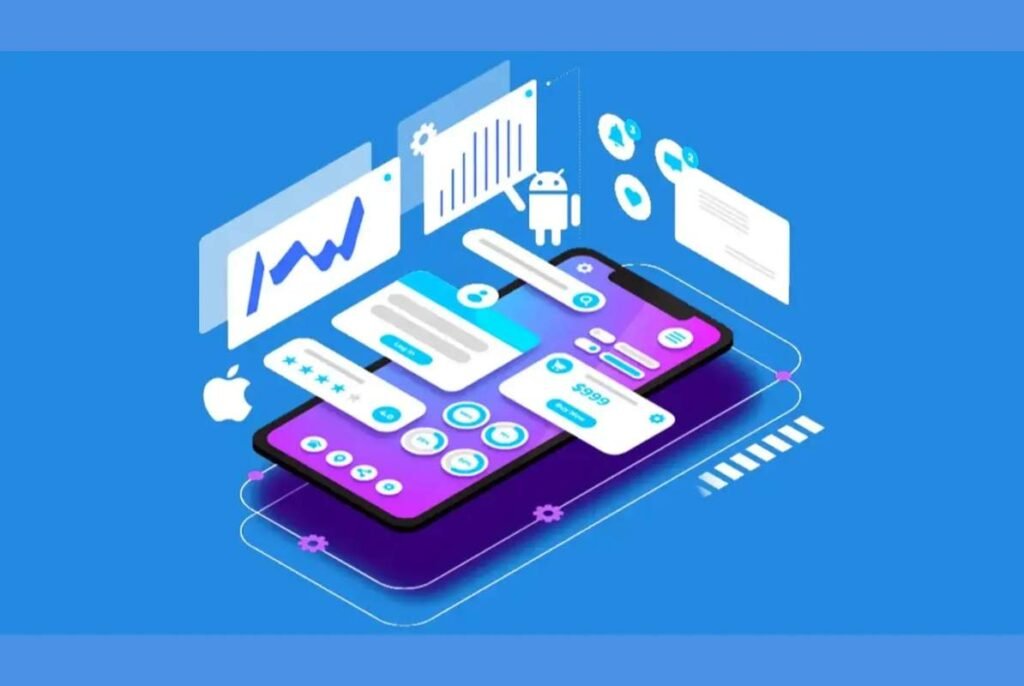
App Design And Development is the complete process of planning, designing, building, testing, and maintaining a mobile application. App design focuses on how an application looks and how users interact with its features, while development involves writing the code and creating the technical functionality that makes everything work. Both areas must work together to deliver an application that is visually appealing, easy to navigate, and technically reliable.
The process usually begins with identifying the application’s purpose and target audience. Developers and designers then determine which features are necessary, how information should be organized, and what type of experience users should receive. Once the planning and design stages are complete, developers build the application, connect the required systems, and test its performance. This structured approach helps businesses avoid unnecessary development costs while ensuring that the final product meets customer expectations.
Why Is Mobile App Development Important for Modern Businesses?
Mobile applications provide businesses with a direct way to communicate with customers and deliver services. Unlike traditional communication channels, an app can offer personalized experiences, convenient account access, real-time notifications, and simplified transactions. Customers can interact with a business whenever they need its services without repeatedly searching for information or navigating multiple platforms.
For growing companies, mobile applications can also improve operational efficiency. Businesses can automate booking systems, manage orders, process payments, and provide customer support through a single digital platform. These capabilities reduce manual work and make everyday operations more organized. Investing in professional App Design And Development allows businesses to create digital experiences that support customer satisfaction and long-term growth.
How Does the App Design Process Work?
The design process starts with understanding the business idea and the people who will use the application. Designers research the target audience, identify common user problems, and determine how the application can provide practical solutions. This research helps establish the app’s structure, navigation, visual appearance, and overall functionality before development begins.
After research, designers create wireframes and prototypes to demonstrate how different screens will work together. Wireframes provide a basic layout, while prototypes help visualize the complete user journey. These early designs allow businesses to review the application and identify improvements before investing heavily in development. A well-planned design process reduces confusion, improves usability, and creates a stronger foundation for the finished product.
Why Is User Experience Important in Mobile Applications?
User experience plays a major role in determining whether customers continue using an application. Even an application with advanced features can struggle if users find it difficult to navigate. Complicated registration processes, confusing menus, slow loading screens, and unclear instructions can frustrate customers and encourage them to uninstall the app.
A strong user experience focuses on simplicity, accessibility, and convenience. Important features should be easy to find, buttons should be clearly visible, and the navigation structure should feel natural. Designers must also consider different screen sizes and user preferences to ensure consistent performance. When businesses prioritize usability during App Design And Development, they can create applications that encourage engagement and build customer loyalty.
What Are the Key Stages of the App Development Process?
App development involves several connected stages that transform a design concept into a working application. After the initial research and planning, developers select the appropriate programming technologies, establish the application architecture, and begin building its features. The development team may work on the frontend, which users interact with, and the backend, which manages data, accounts, authentication, and other essential operations.
Once the application is developed, it moves into testing and quality assurance. Developers examine its functionality, performance, security, and compatibility across different devices. Any problems discovered during testing are corrected before launch. After deployment, the application requires regular monitoring, updates, and improvements to maintain its reliability. Each stage contributes to the quality and long-term success of the final product.
Should Businesses Choose iOS or Android App Development?
Choosing between iOS and Android depends on the target audience, business objectives, available budget, and desired features. iOS applications are designed for Apple’s mobile ecosystem, while Android applications support a broad range of smartphones and devices. Both platforms offer opportunities to reach customers, but their development requirements and technical considerations can differ.
Businesses targeting iPhone and iPad users may benefit from professional iOS Mobile App Development Services. These services focus on creating applications that follow Apple’s design standards and deliver reliable performance across supported devices. Companies interested in reaching Android users can consider Android App Development Services to build applications compatible with the Android ecosystem. The right choice depends on where potential customers are most active and which platform best supports the business model.
What Features Make a Mobile Application Successful?
A successful application provides features that solve customer problems instead of adding unnecessary complexity. User registration, secure login, personalized profiles, search functionality, notifications, and convenient payment options are common features that improve the overall experience. However, the right feature set depends on the application’s purpose and the expectations of its intended audience.
Performance and security are equally important. Customers expect applications to load quickly, protect their personal information, and function without frequent errors. Businesses should also consider integrations with payment gateways, customer relationship management systems, analytics platforms, and other business tools when needed. During App Design And Development, selecting features based on actual user requirements helps create a more useful and competitive product.
How Much Does App Design And Development Cost?
The cost of creating a mobile application depends on its complexity, functionality, design requirements, platform selection, and development timeline. A basic application with limited features generally requires fewer resources than a sophisticated platform with real-time communication, payment processing, advanced integrations, and custom functionality. The experience of the development team and the technologies used can also influence the overall investment.
Businesses should consider their long-term requirements rather than focusing only on the initial development price. Maintenance, security updates, hosting, third-party services, and future improvements can contribute to ongoing expenses. Creating a clear project scope before development begins makes budgeting easier and reduces the possibility of unexpected costs. A professional development team can help identify essential features and recommend practical solutions that balance quality and affordability.
How Can Businesses Ensure Their Applications Are Secure?
Application security should be considered from the beginning of the development process. Mobile applications often handle sensitive information, including personal details, account credentials, payment information, and customer records. Weak security measures can expose this information and damage customer confidence. Businesses should therefore work with developers who understand secure coding practices and modern application security requirements.
Important security measures include encrypted data transmission, secure authentication, appropriate access controls, regular security testing, and safe data storage. Developers should also keep application frameworks and third-party components updated to reduce vulnerabilities. Security is not a one-time task because new threats and technical requirements can emerge over time. Continuous monitoring and maintenance help protect applications and maintain user trust.
Why Is App Testing Essential Before Launch?
Testing helps ensure that an application works as expected before customers begin using it. Even small technical problems can create negative experiences, particularly when they affect registration, payments, navigation, or other important functions. Comprehensive testing helps developers identify these issues early and improve the application’s overall reliability.
Different types of testing examine different aspects of an application. Functional testing checks whether features operate correctly, usability testing evaluates the customer experience, and performance testing measures how the app responds under different conditions. Compatibility testing ensures that the application works across supported devices and operating system versions. Proper testing reduces the likelihood of launch problems and provides businesses with greater confidence in their digital products.
How Does Mobile App Development Support Digital Marketing?
A mobile application can become an important part of a company’s digital marketing strategy. It creates another communication channel through which businesses can share updates, promote services, introduce offers, and encourage repeat purchases. Personalized notifications and relevant in-app messages can help brands maintain relationships with existing customers and increase engagement.
A full service digital marketing agency can help businesses connect their applications with broader online marketing campaigns. An SEO marketing agency can improve the visibility of related website content and support organic customer acquisition, while a full service email marketing agency can develop email campaigns that encourage users to download an app or return to its services. Small Business Social Media Marketing can also introduce applications to relevant audiences through engaging social content. Combining these strategies with a well-developed application creates more opportunities for customer interaction.
How Does App Development Connect With Other Digital Services?
A mobile application does not always operate independently. Many businesses need their applications to connect with websites, online stores, marketing systems, and customer management platforms. These integrations create a consistent digital experience and allow information to move between different business channels more efficiently.
For example, a Custom Web Design Agency can help create a website that complements the mobile application and maintains consistent branding. Businesses selling products online may also benefit from Ecommerce Website Development Services to connect their online shopping experience with mobile functionality. Similarly, companies managing their brand presence may work with an online reputation management expert to monitor customer feedback and maintain a positive image across digital channels. These services can work together to create a more complete digital business strategy.
What Should Businesses Look for in an App Development Company?
Choosing the right development partner is an important decision because the quality of the team can influence the entire project. Businesses should evaluate a company’s technical experience, design capabilities, development process, communication practices, and understanding of different industries. Reviewing previous projects can also provide useful insight into the team’s ability to handle similar requirements.
A reliable development company should take time to understand the business objectives before recommending technologies or features. It should provide clear project expectations, explain technical decisions, and maintain communication throughout development. Post-launch support is another important consideration because applications require ongoing improvements and maintenance. Working with an experienced team helps businesses turn their ideas into practical digital solutions without losing sight of their goals.
What Are the Future Trends in Mobile App Development?
Mobile technology continues to evolve, creating new opportunities for businesses to improve their applications. Artificial intelligence is becoming increasingly important because it allows applications to offer personalized recommendations, automated assistance, and more intelligent user interactions. Businesses can use these capabilities to understand customer behavior and provide experiences that better match individual preferences.
Other developments include cloud-based applications, improved mobile security, augmented reality, and advanced automation. Cross-platform development is also helping businesses reach multiple operating systems while managing development resources more efficiently. As customer expectations continue to change, businesses will need to focus on flexibility, performance, accessibility, and continuous improvement to remain competitive in the mobile marketplace.
Conclusion
Mobile applications have become valuable tools for businesses that want to improve customer experiences, streamline operations, and expand their digital presence. However, creating a successful application requires careful planning, thoughtful design, reliable programming, and continuous testing. Every decision, from selecting the right platform to choosing essential features, contributes to the quality of the final product.
App Design And Development should always focus on solving real customer problems and supporting clear business objectives. An attractive interface alone is not enough; applications must also be secure, easy to use, and capable of adapting to future requirements. By working with an experienced development team and combining mobile technology with an effective digital strategy, businesses can build applications that deliver lasting value. The Tech Designers helps businesses explore digital solutions that support their goals and create better experiences for their customers.