
Top Drink Trends Shaping Everyday Choices in 2026
The drink industry is changing as consumers become more interested in hydration, lower-sugar choices, functional beverages, natural ingredients, and drinks that fit different occasions. In 2026, beverages are no longer viewed only as refreshments. Many people are also considering ingredients, nutritional value, convenience, and the role a drink can play in their daily routine.
Recent beverage coverage shows strong interest in functional drinks focused on areas such as hydration, energy, gut health, and relaxation. At the same time, non-alcoholic beverages are gaining attention as people look for alternatives that provide more variety than traditional soft drinks.
This does not mean every new beverage is automatically healthier. A drink still needs to be evaluated based on its ingredients, sugar content, caffeine level, serving size, and overall place in a balanced diet.
For everyday consumers, the biggest opportunity is to understand the options available and choose drinks according to personal needs rather than simply following a trend.
Functional Beverages Are Moving Into Everyday Routines
Functional beverages have become one of the most discussed areas of the drink market. These products are generally designed to offer something beyond basic refreshment, with categories including hydration, energy, relaxation, digestive support, and other targeted benefits.
Industry reporting in 2026 points to continued consumer interest in functional drinks, particularly products connected with gut health, fibre, energy, and hydration.
The appeal is partly based on convenience. People often have busy schedules and may prefer a ready-to-drink product instead of preparing separate foods, supplements, or beverages.
Common categories include:
- Electrolyte drinks
- Protein beverages
- Fermented drinks
- Fibre-containing beverages
- Herbal drinks
- Low-sugar functional beverages
- Ready-to-drink teas
- Caffeine-based drinks
- Mineral waters
- Drinks positioned around relaxation or recovery
However, consumers should examine health claims carefully. A beverage containing vitamins or minerals does not automatically make an otherwise unbalanced diet healthy.
Ingredient labels remain useful because products can vary significantly in sugar, sodium, caffeine, calories, and other ingredients.
Hydration is one area where simple choices remain important. WHO states that adequate hydration is essential for health and identifies safe drinking water as the healthiest and cheapest drink option where it is available.
This is a useful reminder that functional beverages do not need to replace ordinary water. They can be considered according to individual needs and circumstances.
For people exercising for long periods or in hot conditions, drinks containing electrolytes may have a role. For everyday desk work or routine activities, plain water may be sufficient for many people.
The practical lesson is simple: understand the purpose of a beverage before adding it to a daily routine.
Lower-Sugar and Naturally Flavoured Drinks Are Getting More Attention
Sugar content is becoming an important consideration for beverage consumers. Traditional soft drinks and other sweetened beverages can contribute significant amounts of free sugar to the diet.
WHO recommends keeping free sugar intake below 10% of total daily energy intake, with a further reduction below 5% providing additional health benefits.
This has encouraged interest in drinks with less added sugar, unsweetened options, and beverages that rely more on natural flavour sources.
People can make practical changes without eliminating every sweet drink. For example:
- Choose unsweetened water more often
- Compare nutrition labels
- Select lower-sugar versions when available
- Use fresh fruit for flavouring water
- Limit frequent consumption of sugary beverages
- Pay attention to serving sizes
- Choose plain tea or coffee when suitable
- Keep sweet drinks as occasional choices
Natural flavours are also receiving attention as consumers explore drinks made with ingredients such as fruit, herbs, spices, flowers, and botanicals.
The growing interest in adult-oriented soft drinks illustrates this change. Recent reporting describes a market for more complex non-alcoholic drinks with lower sugar and botanical or natural flavour profiles.
These products can provide variety without relying on traditional sugary soda formats.
Still, “natural” should not be treated as a guarantee of better nutrition. A beverage can contain natural ingredients while still being high in sugar or calories.
Reading the nutrition panel is therefore more useful than relying only on front-of-pack marketing language.
The same approach applies to fruit drinks. Whole fruit and fruit juice are not nutritionally identical, and juices can contain substantial amounts of naturally occurring sugars. WHO includes sugars naturally present in fruit juices and concentrates within its definition of free sugars.
Consumers who want more flavour can experiment with simple options such as water infused with cucumber, mint, lemon, orange slices, berries, or other fresh ingredients.
This keeps beverage preparation simple while allowing people to adjust flavours according to their preferences.
Non-Alcoholic Drinks and Social Beverage Culture Are Expanding
Non-alcoholic beverages are becoming a larger part of modern drink culture. This includes more than traditional soft drinks and fruit juices.
The category now includes:
- Non-alcoholic spirits
- Botanical drinks
- Sparkling water
- Premium sodas
- Alcohol-free cocktails
- Herbal beverages
- Kombucha and other fermented drinks
- Specialty teas
- Flavoured mineral water
- Ready-to-drink mocktails
Recent reporting has highlighted growing interest in non-alcoholic drinks that provide more complex flavours and can be served during social occasions.
This trend gives consumers more choices at gatherings, restaurants, celebrations, and everyday meals.
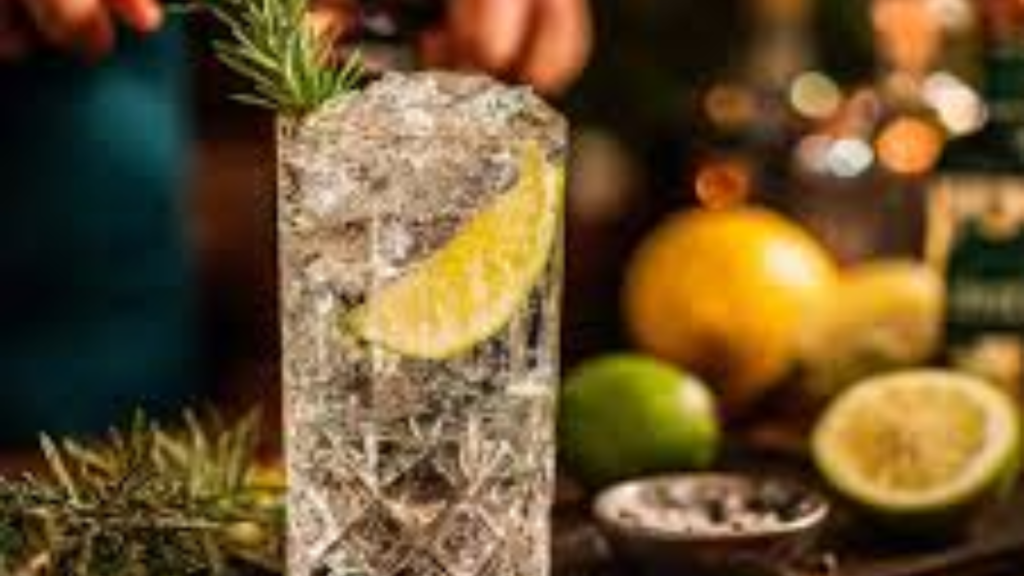
A social drink does not necessarily need to contain alcohol. A well-prepared sparkling drink with citrus, herbs, spices, or fruit can provide a different experience while remaining alcohol-free.
For restaurants and cafés, this creates opportunities to expand beverage menus beyond standard soda, juice, tea, and coffee.
The growth of non-alcoholic choices also connects with changing attitudes toward alcohol. Some consumers may choose to drink less frequently, while others may avoid alcohol entirely.
There is no need for every person to follow the same pattern. The important point is that beverage menus are becoming more varied.
Sparkling water is another category receiving attention. Recent coverage of mineral-rich sparkling water shows how consumers are becoming more interested in the taste, mineral content, and origin of water rather than treating all bottled water as identical.
However, mineral content can vary considerably between products. Consumers who need to monitor sodium or other minerals should check the label rather than assuming that every mineral water has the same composition.
For everyday hydration, plain safe drinking water remains a straightforward option.
The broader trend is about choice. Consumers can select beverages based on taste, occasion, dietary needs, budget, and personal preferences.
Smarter Beverage Choices Combine Taste, Nutrition, and Convenience
The beverage market is becoming more diverse, but having more choices can also make purchasing decisions confusing.
A practical way to approach drink trends is to consider several factors before choosing a product.
Useful points include:
- Sugar: Check total and added sugars where listed.
- Caffeine: Consider the amount per serving, especially when consuming multiple caffeinated drinks.
- Calories: Compare serving size and total energy content.
- Ingredients: Look beyond advertising claims and read the ingredient list.
- Purpose: Decide whether the drink is mainly for hydration, taste, energy, or another specific use.
- Serving size: A bottle may contain more than one serving.
- Frequency: An occasional drink has a different role from something consumed several times every day.
- Cost: Compare the price with simpler alternatives.
- Personal needs: Dietary restrictions and health conditions can affect suitable choices.
WHO recommends a varied diet based on foods such as fruits, vegetables, legumes, nuts, and whole grains, while limiting foods and beverages high in free sugars, unhealthy fats, and sodium.
This means beverages should be considered as part of the overall diet rather than in isolation.
For example, someone who already consumes several sweet foods may benefit from choosing unsweetened drinks more often. Another person may prefer an electrolyte drink during a long period of physical activity but choose water during ordinary daily activities.
Personal routines matter.
There is also a growing range of flavoured products across different beverage categories. Separately from mainstream drinks, Custard Monster E-Liquid belongs to the vaping category and should not be confused with beverages or drink products.
Likewise, Custard Monster Flavors refers to vaping-related flavour products and is unrelated to food or beverage nutrition.
The phrase Custard Monster Official is also associated with a vaping-related category rather than mainstream drink trends.
Keeping these categories separate is important because beverage choices should be evaluated using food and nutrition information rather than information from unrelated product categories.
The best drink choice is not necessarily the newest or most expensive product. Often, it is the option that fits the person’s needs, tastes good to them, and works within their normal routine.
Conclusion
Drink trends in 2026 show a clear movement toward variety, functionality, lower-sugar choices, hydration, natural flavour profiles, and non-alcoholic social options. Functional beverages are attracting attention for areas such as hydration, energy, gut health, and relaxation, while more complex non-alcoholic drinks are giving consumers alternatives to traditional soft drinks and alcoholic beverages.
At the same time, basic nutrition principles remain important. WHO recommends limiting free sugars and consuming a varied diet, while safe drinking water remains an important source of hydration.
Consumers do not need to follow every beverage trend. A better approach is to understand ingredients, compare labels, consider serving sizes, and choose drinks according to personal needs and occasions.
The modern drink market offers plenty of options, from plain water and unsweetened tea to sparkling water, functional beverages, specialty coffee, botanical drinks, and alcohol-free alternatives. With a little attention to nutrition and ingredients, people can enjoy variety while making practical choices for everyday life.