
Melanoma Cancer Treatment Options for Different Stages
Melanoma is a type of skin cancer that develops from melanocytes, the cells responsible for producing skin pigment. Early detection can make a significant difference because treatment options depend on factors such as the melanoma’s stage, thickness, location, and whether it has spread to other parts of the body. Understanding melanoma cancer treatment options can help patients have more informed discussions with their healthcare team.
Understanding Melanoma Stages
Doctors use staging to understand how far melanoma has developed or spread. Melanoma is generally classified from stage 0 to stage IV. Stage 0 means the abnormal cells remain in the outermost layer of the skin, while later stages may involve deeper tissues, nearby lymph nodes, or distant parts of the body.
The stage helps doctors plan appropriate treatment. Other factors, including tumour thickness and specific characteristics of the melanoma, can also influence the treatment approach.
Treatment for Early Stage Melanoma
For melanoma that remains localised, surgery is usually the main treatment. A doctor may perform a wide local excision to remove the melanoma along with a margin of surrounding skin. The amount of tissue removed can depend on the thickness, type, and location of the melanoma.
In some cases, doctors may also assess nearby lymph nodes, particularly when the melanoma has certain features that indicate a higher risk of spreading.
Early treatment can be very effective, which is one reason why noticing changes in the skin and arranging a melanoma check when something looks unusual is important.
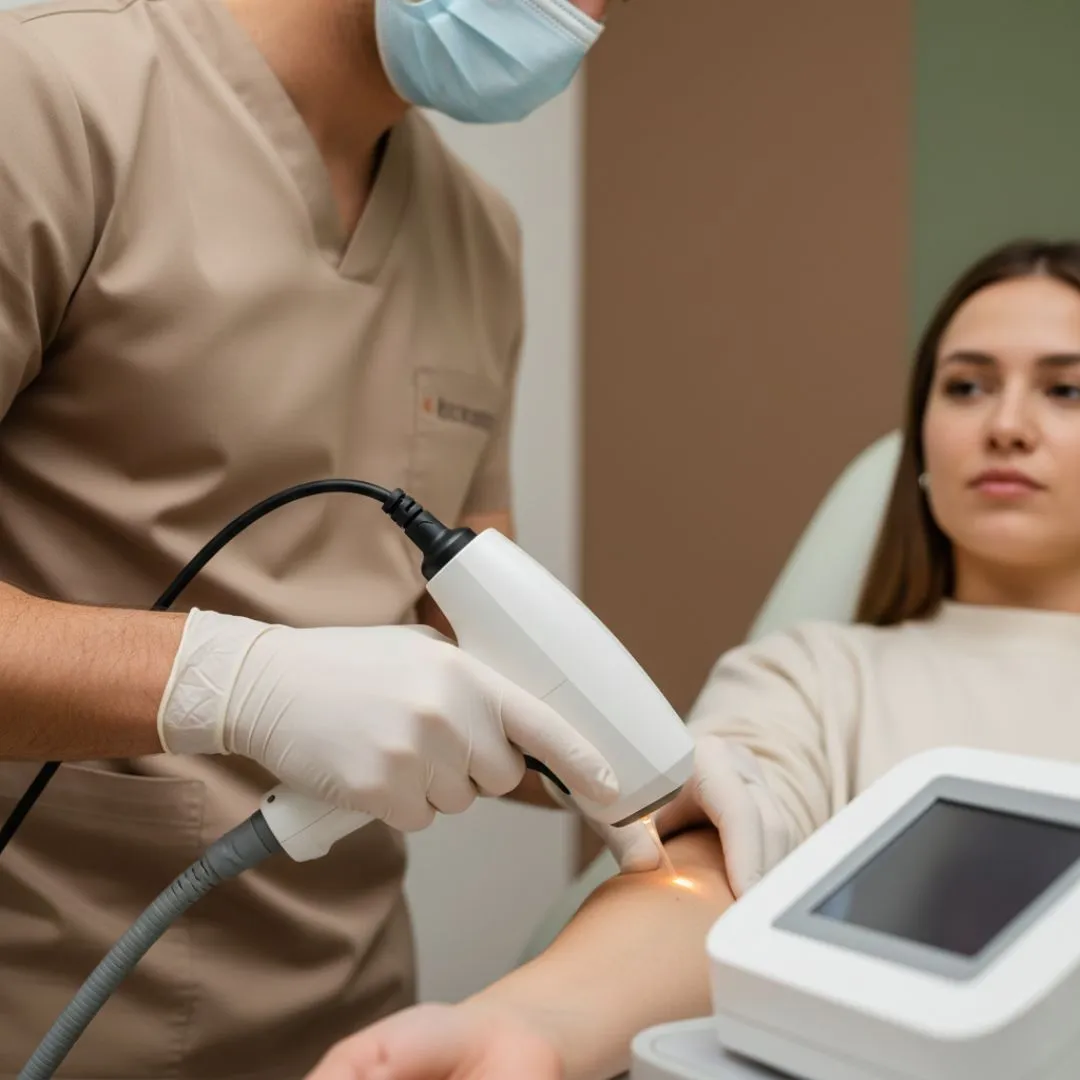
Treatment for Stage III Melanoma
Stage III melanoma generally means the cancer has spread to nearby lymph nodes or certain areas around the original melanoma. Treatment can involve surgery and additional therapies depending on the individual situation.
For some people, doctors may recommend immunotherapy after surgery to reduce the risk of recurrence. If testing identifies a BRAF V600 mutation, targeted therapy may also be considered in appropriate cases.
The treatment plan depends on factors such as the melanoma characteristics, lymph node involvement, test results, overall health, and the advice of the treating specialist.
Treatment for Advanced Melanoma
Stage IV melanoma means the cancer has spread to distant parts of the body. At this stage, treatment can involve a combination of approaches depending on where the melanoma has spread and whether particular genetic changes are present.
Treatment may include immunotherapy, targeted therapy, radiation therapy, surgery, or other supportive approaches. Clinical trials may also provide access to newer treatment approaches for some eligible patients.
Doctors may perform additional tests to understand the characteristics of the melanoma and determine which treatments may be suitable.
Role of Immunotherapy in Melanoma
Immunotherapy works by helping the body’s immune system recognise and attack cancer cells. Checkpoint inhibitors are an important type of immunotherapy used for some people with melanoma.
The treatment may be given through a vein, and the frequency and duration can vary depending on the specific medicine, cancer stage, response to treatment, and side effects.
Like other cancer treatments, immunotherapy can cause side effects. Patients should discuss any new or unusual symptoms with their healthcare team rather than trying to manage them independently.
Understanding Targeted Therapy
Targeted therapy focuses on specific molecular features that help cancer cells grow or survive. It may be considered when testing shows that the melanoma contains a suitable molecular target.
For melanoma with certain genetic changes, targeted medicines can be used as part of the treatment plan. Doctors may use laboratory testing to determine whether a particular target is present before recommending this approach.
Targeted therapy can cause side effects, so regular medical monitoring remains an important part of treatment.
Why Regular Skin Checks Matter?
A melanoma can sometimes develop from a new or changing spot on the skin. Changes in size, shape, colour, or appearance should receive medical attention, especially when a spot looks different from others.
A professional melanoma check can help assess suspicious skin changes. Regular skin awareness can also help people notice changes earlier and seek medical advice promptly.
People with previous melanoma or other risk factors may need a personalised skin monitoring plan. A healthcare professional can advise how often checks may be appropriate.
What to Expect During Treatment Planning
After melanoma is diagnosed, the healthcare team may review the pathology results, stage, tumour characteristics, and other relevant health information. Depending on the situation, further tests may be needed before treatment begins.
Patients can ask questions about the purpose of each treatment, possible side effects, expected appointments, and available options. It can also help to take notes during consultations or bring a trusted family member or friend for support.
Cancer Council Australia recommends discussing treatment options, possible side effects, and questions with the healthcare team so patients can better understand their care.
Final Thoughts
Melanoma treatment varies from person to person because the appropriate approach depends on the stage, tumour characteristics, and whether the cancer has spread. Early diagnosis often allows treatment to begin before melanoma becomes more advanced. If you notice a changing or unusual skin spot, arranging a professional melanoma check can help identify whether further assessment is needed. For people in Canberra seeking skin cancer assessment and melanoma-related care, Canberra Skin Cancer Clinic provides dedicated skin cancer services and information about melanoma assessment and management.
Frequently Asked Questions
1. What is the main treatment for early melanoma?
Surgery is generally the main treatment for localised melanoma. A wide local excision removes the melanoma along with an appropriate margin of surrounding skin.
2. Can melanoma be treated at later stages?
Yes. Treatment options are available for advanced melanoma and may include immunotherapy, targeted therapy, surgery, or radiation therapy, depending on the individual case.
3. When should I have a melanoma check?
You should seek medical assessment if you notice a new, changing, unusual, or concerning skin spot. People with increased risk may also benefit from regular professional skin checks based on medical advice.
4. Is immunotherapy used for melanoma?
Yes. Immunotherapy is used for some melanoma cases, particularly when melanoma has a higher risk of recurrence or has spread. The suitability of treatment depends on the individual situation.
5. Does every melanoma require the same treatment?
No. Treatment can differ according to the melanoma stage, thickness, location, lymph node involvement, genetic features, and other patient-specific factors. A specialist healthcare team determines the appropriate treatment approach.