
Diet and Nutrition Tips for a Healthy and Balanced Lifestyle
A healthy diet plays an important role in maintaining energy, supporting everyday activities and improving overall well-being. With busy schedules and changing food habits, it can be difficult to know what to eat and how to build balanced meals. Simple changes in your daily eating routine can make a meaningful difference over time.
This guide shares practical diet and nutrition tips to help you make better food choices, plan balanced meals and develop healthy eating habits without following complicated rules.
What Does a Balanced Diet Mean?
A balanced diet provides your body with a variety of nutrients from different food groups. It should include vegetables, fruits, whole grains, protein-rich foods and healthy sources of fats.
Instead of focusing on one particular food, aim for variety. Different foods provide different vitamins, minerals, fibre and other nutrients that your body needs.
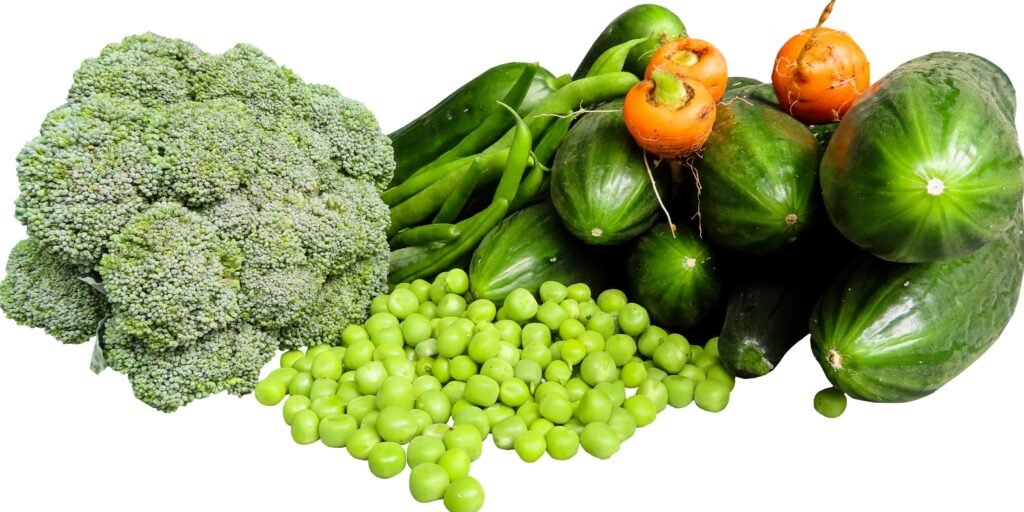
Try to include colourful vegetables, seasonal fruits, whole grains and protein sources such as pulses, beans, eggs, dairy products, nuts or lean meat in your regular meals.
1. Include More Whole Foods
Whole foods can be a useful part of a healthy eating pattern. Fresh fruits, vegetables, whole grains, pulses, nuts and seeds provide important nutrients and fibre.
Choose brown rice, oats, whole wheat roti or other whole grains instead of relying mainly on refined grains. Add vegetables to lunch and dinner, and keep fresh fruit available for a convenient snack.
You do not need to completely avoid your favourite foods. The key is to enjoy them occasionally while making nutritious foods a regular part of your meals.
2. Plan Your Meals in Advance
Meal planning can make healthy eating easier, especially when you have a busy routine. Planning your meals for a few days can also help you avoid frequent takeaway meals and last-minute food choices.
Simple diet plans can include balanced breakfast, lunch, dinner and healthy snacks. Prepare ingredients such as chopped vegetables, cooked pulses or homemade chutneys in advance to save time during the week.
Keep your plan flexible and adjust it according to your schedule, food preferences and nutritional needs.
3. Choose Healthy Snacks
Snacking is common between meals, but the type of snack matters. Instead of regularly choosing highly processed snacks, consider options such as fruit, roasted chana, yoghurt, nuts or homemade snacks.
Portion size also matters. Even nutritious foods can add a lot of calories when eaten in large amounts. Choose a reasonable portion and eat slowly so you can notice when you feel satisfied.
4. Stay Hydrated
Water is essential for normal body functions. Keep water nearby throughout the day and drink regularly, especially during hot weather or after physical activity.
You can also get fluids from foods such as fruits, vegetables and soups. Try to limit sugary drinks and choose water or other lower-sugar options more often.
5. Add Protein to Your Meals
Protein helps support muscles and many important functions in the body. Include protein-rich foods in your meals according to your dietary preferences.
Good options include dal, beans, chickpeas, paneer, yoghurt, eggs, fish, chicken, nuts and seeds. Combining protein with vegetables and whole grains can make meals more satisfying.
6. Make Healthy Recipes at Home
Cooking at home gives you better control over ingredients, portion sizes and cooking methods. Try simple healthy recipes using fresh vegetables, whole grains, pulses and moderate amounts of oil.
For example, you can prepare vegetable poha, dal with roti, vegetable khichdi, oats with fruit or a homemade vegetable soup. Small changes in cooking methods, such as steaming, grilling or lightly sautéing, can also support healthier meals.
7. Follow Practical Weight Management Tips
Healthy eating can support a balanced approach to weight management. Avoid extreme diets that promise quick results. Instead, focus on regular meals, sensible portions, nutritious foods and physical activity.
Useful weight management tips include eating slowly, reducing frequent sugary snacks, adding more vegetables to meals and maintaining a consistent routine.
Your nutritional needs can vary based on age, activity level and individual circumstances. If you have a health condition or specific dietary requirement, speak with a qualified healthcare professional or registered dietitian.
8. Read Food Labels
Food labels can help you understand what you are buying. Check serving size, added sugar, sodium, protein, fibre and other nutritional information when choosing packaged foods.
Do not judge a food only by claims such as “healthy” or “natural”. Reading the nutrition information and ingredient list gives you a clearer idea of what the product contains.
Healthy Food Tips for Everyday Life
A few simple habits can make healthy eating more manageable:
- Add vegetables to at least two main meals each day.
- Choose seasonal fruits for snacks.
- Include a protein source in your main meals.
- Prefer whole grains when possible.
- Limit foods high in added sugar and excess salt.
- Drink enough water throughout the day.
- Cook more meals at home.
- Maintain reasonable portion sizes.
- Enjoy treats occasionally without making them a regular habit.
Frequently Asked Questions
1. What are the best diet and nutrition tips for beginners?
Start with simple changes such as eating more vegetables and fruits, choosing whole grains, adding protein to meals, drinking enough water and reducing highly processed foods. Build these habits gradually rather than changing everything at once.
2. How can I make my daily meals more balanced?
Include different food groups in your meals. A simple plate can contain vegetables, a protein source and a whole grain or other carbohydrate source. Add fruit or dairy as suitable for your eating pattern.
3. Are homemade meals better for healthy eating?
Homemade meals can make it easier to control ingredients, cooking methods, salt, sugar and portion sizes. They can be a practical way to include more nutritious foods in your routine.
4. Can diet help with weight management?
A balanced eating pattern, sensible portions and regular physical activity can support healthy weight management. Avoid extreme restrictions and focus on sustainable habits that you can maintain over time.
5. How often should I change my diet?
You do not need to frequently change your diet if your current eating pattern is balanced and suits your nutritional needs. Focus on variety and make gradual adjustments when your lifestyle or nutritional requirements change.
Conclusion
Healthy eating does not have to be complicated. By choosing a variety of nutritious foods, planning meals, staying hydrated and following practical habits, you can create a balanced approach to everyday nutrition. Start with small changes that fit your routine and build healthier habits consistently. For more practical information on nutrition and healthy living, explore GoHealthyPro and discover useful guidance for making better everyday food choices.