
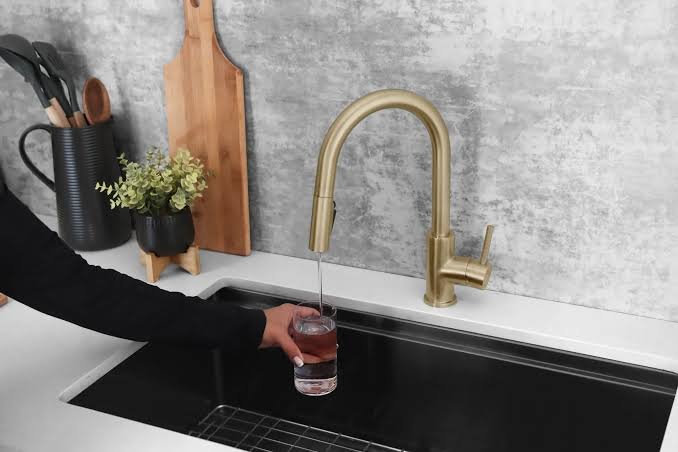
Faucet Repair Service & Maintenance in Edmonton
Why a Small Drip Deserves Your Attention
You hear it at 2 a.m.: drip… drip… drip. It seems harmless, but a leaking faucet is one of the most common household plumbing problems, and one of the most frequently ignored. In a city like Edmonton, where winters are long and the water supply is moderately hard, a small faucet issue can quietly turn into higher water bills, stained fixtures, and even water damage under your sink.
This guide explains everything Edmonton homeowners need to know about faucet repair service and maintenance in Edmonton: why faucets fail, what you can safely fix yourself, when to call a professional, what repairs typically involve, and how to keep your fixtures working for years. By the end, you will be able to make a confident, informed decision about your next step.
How Faucets Work (and Why They Fail)
Understanding the basics helps you diagnose problems faster. Most household faucets fall into four types:
- Compression faucets: The older style with separate hot and cold handles. They use rubber washers that wear out over time.
- Ball faucets: Single-handle designs common in kitchens. They have several small parts, including springs and seals, that can wear down.
- Cartridge faucets: Single or double-handle faucets that use a replaceable cartridge to control flow and temperature.
- Ceramic-disc faucets: Modern, durable designs that rarely leak, but can still develop problems with their seals or from mineral build-up.
Every faucet has moving parts, seals, and washers that are constantly exposed to water pressure, temperature swings, and minerals. Eventually, something gives.
Common Faucet Problems Edmonton Homeowners Face
1. Dripping or Leaking Spout
The classic problem. In most cases it is caused by a worn washer, O-ring, or cartridge. The U.S. Environmental Protection Agency’s WaterSense program has noted that a faucet leaking at one drip per second can waste more than 3,000 gallons of water a year. That is a lot of wasted water, and money, for something that is often a simple fix.
2. Low Water Pressure
If the flow from your faucet has weakened, the likely culprit is mineral build-up in the aerator or inside the faucet body. Edmonton’s water is considered moderately hard, and calcium and magnesium deposits accumulate over time, especially in older fixtures.
3. Leaks at the Base or Handle
Water pooling around the base of the faucet or seeping from the handle usually points to a failed O-ring or loose packing nut. Left alone, it can rot cabinetry and encourage mold in a kitchen or bathroom vanity.
4. Stiff or Hard-to-Turn Handles
Mineral deposits, corroded stems, or worn cartridges can make handles difficult to operate. This is a sign that the internal parts need cleaning or replacement.
5. Discoloured or Strange-Tasting Water
Rusty or metallic-looking water from just one faucet may indicate corroded supply lines or fittings at that fixture. If it affects the whole house, the problem may lie elsewhere in your plumbing system.
6. Frozen or Burst Supply Lines
Edmonton winters regularly drop well below freezing. Faucets on exterior walls, outdoor hose bibs, and cold-water lines in unheated spaces are all vulnerable. A frozen line can crack and cause serious flooding when it thaws.
DIY Faucet Repair: What You Can Safely Do
Some faucet maintenance is simple enough for most homeowners. Here is a basic approach for a typical dripping faucet:
- Shut off the water. Close the shut-off valves under the sink (turn them clockwise). Open the faucet to release remaining pressure.
- Plug the drain. A small screw or washer dropped down the drain is a frustrating mistake.
- Remove the handle. Look for a decorative cap hiding a screw. Use the right screwdriver or hex key.
- Inspect the internal parts. Check the cartridge, washers, and O-rings for cracks, wear, or mineral crust.
- Replace worn parts. Take the old part to a hardware store to match the size and model exactly.
- Reassemble and test. Turn the water back on slowly and check for leaks.
Easy maintenance you can do twice a year:
- Unscrew the aerator and soak it in white vinegar for 30 minutes to dissolve mineral deposits.
- Wipe down the fixture with a soft cloth. Avoid harsh abrasives that damage the finish.
- Check under the sink for moisture, drips, or corrosion on the supply lines.
When to Call a Professional Faucet Repair Service
DIY has its limits. Call a licensed plumber if:
- The leak continues after you replace washers or cartridges.
- You cannot identify your faucet model or find replacement parts.
- You see corrosion, green or white crusty build-up on pipes, or damp cabinet floors.
- The shut-off valves are stuck, leaking, or will not close fully.
- You are dealing with a concealed or wall-mounted fixture.
- You notice water stains on ceilings or walls near plumbing.
- Water pressure drops across the whole house, not just one tap.
In Alberta, most plumbing work that goes beyond simple fixture maintenance must be done by a certified journeyman plumber or a registered apprentice working under supervision, and some jobs require permits under the provincial Safety Codes system. A qualified local plumber will know the requirements and handle them for you. It is always worth asking for proof of licensing and insurance before work begins.
What a Professional Faucet Repair Visit Includes
While every company works a little differently, a thorough faucet repair service typically follows these steps:
- Diagnosis: The plumber checks the faucet, shut-off valves, supply lines, and the area under the sink for hidden leaks.
- Clear estimate: You should receive an explanation of the problem and a price before any work starts.
- Repair or replacement: Worn cartridges, seats, springs, and O-rings are replaced, or the entire faucet is swapped if repairs are no longer cost-effective.
- Testing: Flow, temperature, and pressure are checked, and all connections are tested for leaks.
- Clean-up and advice: A good plumber leaves your space tidy and gives you tips to prevent a repeat problem.
Repair or Replace? A Quick Guide
Repair if: the faucet is less than 10 to 15 years old, parts are available, and the body is in good condition.
Replace if: the faucet is badly corroded, parts are discontinued, repair costs approach the price of a new fixture, or you want more efficient or modern features such as pull-down sprayers and touchless operation.
Edmonton Kitchen Plumbing: The Faucet Is Only the Start
The kitchen faucet works hard. It is used for cooking, cleaning, and filling pots all day, so it is often the first fixture to show wear. But the problems you see at the faucet can be connected to the rest of your Edmonton kitchen plumbing:
- Slow drains or clogs: Grease and food waste build up in drain lines and may point to a larger blockage.
- Garbage disposal issues: A leaking disposal can look like a faucet leak at first glance.
- Dishwasher connections: Loose or aging supply and drain hoses can leak under the sink.
- Supply line failures: Braided hoses wear out. It is wise to replace them every 5 to 10 years.
When a plumber is already at your sink repairing the faucet, it is a good time to ask for a quick inspection of these related components.
Seasonal Faucet Maintenance Tips for Edmonton
Our climate shapes how plumbing should be cared for. Follow this simple seasonal checklist:
Fall (before the freeze):
- Disconnect garden hoses and shut off and drain outdoor faucets.
- Insulate exposed pipes in garages, crawl spaces, and exterior walls.
- Check for drafts near plumbing on outside walls.
Winter:
- During extreme cold, open cabinet doors under sinks on exterior walls to let warm air circulate.
- Let a faucet drip slightly on the coldest nights if the lines are at risk.
- Know where your main water shut-off valve is, so you can stop the flow quickly if a pipe bursts.
Spring:
- Check outdoor faucets for leaks or damage after the thaw.
- Inspect under-sink areas for any moisture that appeared over winter.
Year-round:
- Clean aerators every six months.
- Consider a water softener if hard-water scale keeps building up on your fixtures.
- Do not over-tighten handles or fittings.
Real-Life Examples (Illustrative Scenarios)
The following scenarios are composites based on common situations plumbers see, not testimonials from specific customers.
Scenario 1: The slow kitchen drip. A homeowner in an older Edmonton bungalow ignored a drip for months. When the faucet was finally inspected, a worn cartridge had also allowed water to seep into the cabinet below, softening the particleboard. A cartridge replacement would have been a modest repair. The cabinet repair added to the final bill.
Scenario 2: Weak pressure after a renovation. After a bathroom update, a household noticed low flow. The cause was debris in the aerator and a partially closed shut-off valve, a quick fix that took minutes to resolve once properly diagnosed.
Scenario 3: A midwinter emergency. During a cold snap, a cold-water line behind a kitchen sink froze and split. The family shut off the main valve right away and called an emergency plumber, limiting damage to a small area. Knowing where the shut-off valve was made all the difference.
Pros and Cons: Repairing Your Own Faucet vs. Hiring a Pro
DIY Faucet Repair
Pros:
- Lower upfront cost for simple fixes
- Satisfying and educational
- Can be done on your own schedule
Cons:
- Misdiagnosis can waste time and money
- Risk of damaging the fixture or causing a bigger leak
- No warranty on your own labour
- Can be impractical for complex or hidden problems
Hiring a Professional Plumber
Pros:
- Accurate diagnosis and lasting repairs
- Proper tools, parts, and experience
- Code compliance and, in many cases, warranties on work
- Can spot related issues before they turn costly
Cons:
- Higher upfront cost than a DIY fix
- You may need to schedule around the plumber’s availability
How Much Does Faucet Repair Cost in Edmonton?
Pricing varies by company, faucet type, and the complexity of the job. In general, costs depend on:
- The type of faucet and the availability of parts
- Whether the repair is routine or an after-hours emergency call
- Whether additional work, such as replacing shut-off valves or supply lines, is needed
- The time required for diagnosis and installation
Ask for a written, itemized estimate before work begins, and compare quotes from more than one licensed company. Be cautious of prices that seem far below the market, since they can signal poor-quality parts or hidden charges.
How to Choose a Reliable Plumbing Company in Edmonton
Searching for expert plumbing services in Edmonton? Look for these trust signals:
- Valid licensing and insurance, including certified journeyman plumbers
- Transparent pricing with no surprise fees
- Positive, verifiable reviews on Google and other independent platforms
- Warranties on both parts and labour
- Clear communication, with arrival windows and honest explanations
- Wide service range, so one call can cover multiple issues
Beyond the Faucet: Other Plumbing and Home Comfort Services
A leaking faucet is often a clue that other parts of your plumbing deserve attention. Many Edmonton homeowners rely on one trusted company for a range of needs, such as:
- Edmonton pipe leak repair for hidden or visible leaks in walls, ceilings, and basements
- Professional toilet repair in Edmonton for running, clogged, or leaking toilets
- Water heater repair in Edmonton, from no-hot-water calls to pilot light and thermostat issues. Look for a plumber with proven expertise and reviews to back it up
- Sump pump replacement in Edmonton, which is especially valuable before the spring melt, when basements are most at risk
- Edmonton furnace repair and maintenance, which keeps your home warm through the coldest months
- An Edmonton emergency plumber or 24-hour plumber in Edmonton when a burst pipe or major leak cannot wait until morning
Bundling inspections and maintenance, such as checking your faucets, water heater, and sump pump in a single visit, can save time and help you catch small problems early.
Plumbing Emergencies: What to Do Right Away
If you face a burst pipe, a flooding fixture, or an uncontrolled leak:
- Shut off the main water valve immediately.
- Turn off electricity to affected areas if water is near outlets or appliances (only if it is safe to reach the panel).
- Open taps to drain remaining water from the lines.
- Move valuables and start removing standing water if safe.
- Call a 24-hour emergency plumber and take photos for insurance.
Frequently Asked Questions
How do I know if my faucet needs repair or replacement?
If a simple part swap fixes the problem, repair is usually enough. If the faucet is old, corroded, or keeps failing, replacement is often the more economical choice.
Why is my faucet leaking even though it is turned off?
Worn washers, O-rings, seats, or cartridges are the usual causes. Mineral build-up can also stop a valve from sealing completely.
How long does a professional faucet repair take?
Many standard repairs take around an hour or less, though replacements and complicated jobs can take longer.
Can hard water damage my faucets?
Yes. Mineral scale clogs aerators, stiffens handles, and wears out internal parts. Regular cleaning and, in some homes, a water softener can reduce the damage.
How often should faucets be serviced?
A quick home check every six months and a professional plumbing inspection every year or two is a sensible routine for most homes.
Is a dripping faucet really a big deal?
It can be. Besides wasting water, slow leaks can damage cabinets, flooring, and walls, and may signal wider plumbing wear.
Do I need a licensed plumber in Alberta?
For work beyond basic fixture maintenance, yes. Hiring a certified professional protects you with proper workmanship, code compliance, and insurance coverage.
Conclusion: Fix It Early, Save Later
A faucet is easy to take for granted until it fails. With regular maintenance, prompt repairs, and smart seasonal habits, you can avoid wasted water, costly damage, and midnight emergencies. For simple jobs, a bit of DIY care will go a long way. For persistent leaks, hidden problems, or anything involving your wider kitchen plumbing, a licensed local professional is the safest investment.
Key takeaways:
- Repair small drips early to avoid larger water damage and waste.
- Clean aerators regularly to fight Edmonton’s hard-water build-up.
- Prepare your plumbing for winter and know where your main shut-off valve is.
- Choose a licensed, insured plumber with transparent pricing and reliable reviews.
- Use repair visits as a chance to check other systems, from water heaters to sump pumps.
Ready to Fix That Faucet?
Do not let a small leak become a big expense. Contact a trusted Edmonton plumber today to schedule your faucet repair or maintenance visit, or call for 24-hour emergency service if you need help right now.
Join the conversation: Have you dealt with a stubborn faucet leak during an Edmonton winter? Share your experience or questions in the comments, and pass this guide on to a neighbour who could use it.