
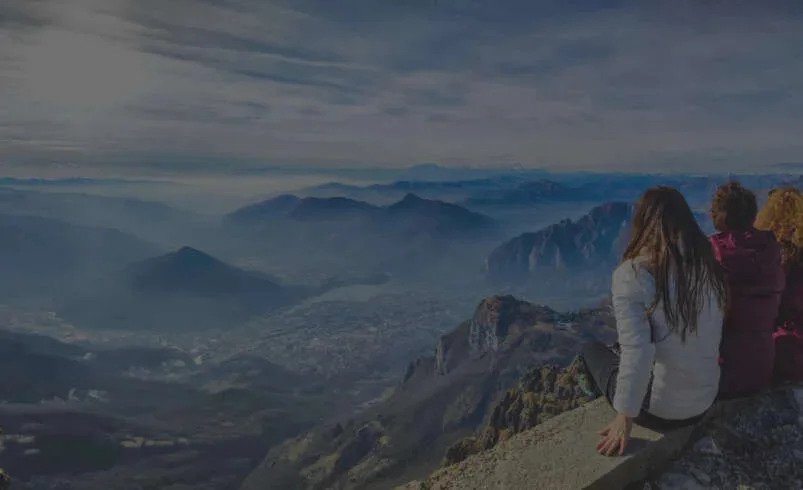
Solo Female Travel in India: A Practical Guide to Planning Your First Independent Trip
The first solo trip often feels bigger before it begins than it does once you are actually on the road. Most of the anxiety sits in the unknowns: arriving alone, figuring out transport, eating by yourself, dealing with a change of plan and wondering whether you will feel lonely or completely liberated.
Solo female travel in India is not one single kind of experience. A weekend in Udaipur, a guided wildlife break, a homestay in the hills and a long multi-city journey all require different levels of planning. The smartest way to begin is not to prove how independent you can be. It is to design a first trip that feels manageable.
Quick answer: how should a woman plan her first solo trip in India?
Choose a destination with straightforward transport, book the first night and arrival transfer in advance, stay in a well-connected area, keep the itinerary light, share your basic plan with someone you trust and build in a backup for late arrivals or last-minute changes.
If you want independence but not complete solitude, a small-group departure can be a useful middle ground.
Choose ease over ambition for trip number one
Your first solo trip does not need to be the most remote, dramatic or adventurous destination on your list.
A place with direct transport, reliable accommodation and plenty to do within a compact area lets you practise the parts of solo travel that matter: making decisions on your own, eating out alone, navigating locally and changing plans without consulting anyone else.
Once those things feel normal, more complicated routes become easier.
This is why a two- or three-night city break can be a better first step than a week involving multiple road transfers. Confidence grows from a trip that works, not from making the logistics unnecessarily difficult.
Plan the arrival before you plan the sightseeing
Many first-time solo travellers spend hours researching cafés and monuments but leave the arrival vague. Reverse that.
Know where you are arriving, approximately how long it takes to reach your stay, what transport you will use and what your backup is if the original plan fails. Keep the hotel address, phone number and booking confirmation available offline.
Where practical, arrive in daylight. It makes orientation easier and gives you time to understand the neighbourhood before evening.
Once you have checked in, keep the first few hours simple. A meal nearby and a short walk are often enough.
Stay where daily life is easy
Accommodation is not only about the room.
Look at the surrounding area. Can you find food nearby? Is it easy to get a cab? Will you need to return through an isolated stretch after dark? Is the property accustomed to solo guests?
Read recent reviews for practical clues: staff responsiveness, actual location, cleanliness, late check-in experience and whether rooms match the listing.
For a first trip, convenience is worth paying a little more for. A cheaper property that creates transport problems every morning and evening can quickly stop feeling economical.
Build an itinerary with white space
One of the quiet pleasures of solo female travel is being able to change your mind without negotiating with anyone.
Do not eliminate that advantage by planning every half-hour.
Pick one main experience for the morning and one for later in the day. Leave room between them. You may discover a café you like, want to spend longer at a museum or simply need a break.
A flexible itinerary also gives you an easy exit if something does not feel right. You are not “ruining the plan” by leaving early or changing direction.
Eating alone becomes normal faster than you expect
For many women, the idea of dining alone feels more uncomfortable than the travel itself. The easiest approach is to start with low-pressure places: cafés, hotel restaurants, busy lunch spots or restaurants where you can sit outdoors.
Carry a book, notebook or headphones if you want something to do, but you may find you stop needing them.
Breakfast is often the easiest solo meal; dinner can feel more social. If you are uncomfortable with late dinners alone, eat earlier or choose a place close to your accommodation.
There is no rule that says solo travel must involve proving comfort in every situation.
Use technology, but do not depend on it completely
Your phone is extremely useful for maps, payments, transport and communication. It is also a single device that can run out of battery, lose signal or go missing.
Keep your hotel address and one emergency contact written down. Download maps when you expect weak connectivity. Carry a power bank. Save important booking details offline.
If you are taking an intercity cab, share the vehicle and route details with someone you trust. For longer journeys, let them know when you arrive rather than sending constant updates throughout the day.
The goal is sensible redundancy, not anxiety.
How should you think about safety?
Safety decisions are contextual. A neighbourhood that feels comfortable in the afternoon may be quiet late at night. A transport choice that is convenient in one city may be less practical in another.
Use specific information instead of broad assumptions. Ask your accommodation about the local area, use established transport options, avoid displaying large amounts of cash, and trust your own discomfort even when you cannot immediately explain it.
If a situation feels wrong, leave. You do not owe politeness to a stranger at the cost of your own comfort.
It is equally important not to spend the entire trip anticipating problems. Good planning should create freedom, not constant vigilance.
Independent travel or a group?
Solo female travel groups can make sense when the destination involves complex road travel, special permits, festival logistics or experiences that are simply better with company.
A group can also be useful if your main hesitation is loneliness rather than logistics.
Independent travel, on the other hand, gives you maximum control. You can wake up late, change hotels, skip an attraction and spend three hours in one café if you want.
Many women use both formats depending on the destination. There is no prize for choosing the more difficult option.
What should you pack differently for a solo trip?
Pack light enough that you can manage your luggage without help.
A small cross-body bag, power bank, reusable water bottle, basic medication, photocopy or secure digital copy of key identification, and a light layer for air-conditioned transport are more useful than packing for every imaginable scenario.
Clothing should suit the destination, weather and activity. In culturally conservative areas, dressing with local context in mind can make travel more comfortable.
Good footwear matters more than almost anything else if you expect to walk.
Money: avoid a single point of failure
Carry more than one payment method. Keep some cash separate from your main wallet. Do not rely on one card or one phone-based payment system.
Set a simple daily range rather than trying to account for every rupee. Fixed costs such as hotel and transport are easy to plan; food, local rides and small shopping are more flexible.
A first solo trip is not the best time to save money by choosing every cheapest option. Spend where it reduces friction: location, reliable transfers, a comfortable room and experiences you genuinely care about.
What if you feel lonely?
You might. You might also be surprised by how little you do.
Loneliness often appears in small windows rather than lasting all day. A long dinner, an empty evening or seeing a group of friends together can trigger it. That does not mean the trip is going badly.
Join a walking tour, take a workshop, speak to your host, spend time in a social café or book one group activity. These create contact without forcing you into constant company.
If companionship is important to you, a curated small-group trip may be a better first solo experience than a completely independent itinerary.
FAQs
Which kind of destination is best for a first solo trip in India?
Choose one that is easy to reach, has a good range of accommodation, does not require complicated local transport and offers enough activities to keep you interested without constant travel.
How many days should a first solo trip be?
Two to four nights is often enough to experience independent travel without making the first attempt feel too demanding. There is no need to start with a long journey.
Is it okay to join a women-only group even if I want a solo trip?
Absolutely. You are still travelling independently from home. A group simply changes how the trip itself is organised.
What should I do if I arrive late at night?
Pre-book a dependable transfer, confirm that the property has late check-in, keep the address offline and share the arrival plan with someone you trust.
How do I know if I am “ready” for solo travel?
You do not need to feel fearless. If you can make basic plans, ask for help when needed and adapt when something changes, you are ready enough to begin with a manageable trip.
Final thought
The most useful version of solo travel is not a test of bravery. It is a way to discover what kind of traveller you are when the decisions are entirely yours.
Plan the first journey well, keep it simple and allow yourself to enjoy the freedom rather than performing independence. The confidence tends to follow.