
Why Regular Denture Check-Ups Matter for Your Oral Health
Wearing dentures can make everyday activities such as eating, speaking and smiling more comfortable. However, getting used to dentures does not mean you can stop paying attention to your oral health. Your gums, jawbone and the soft tissues inside your mouth can change over time, which may affect how your dentures fit and feel.
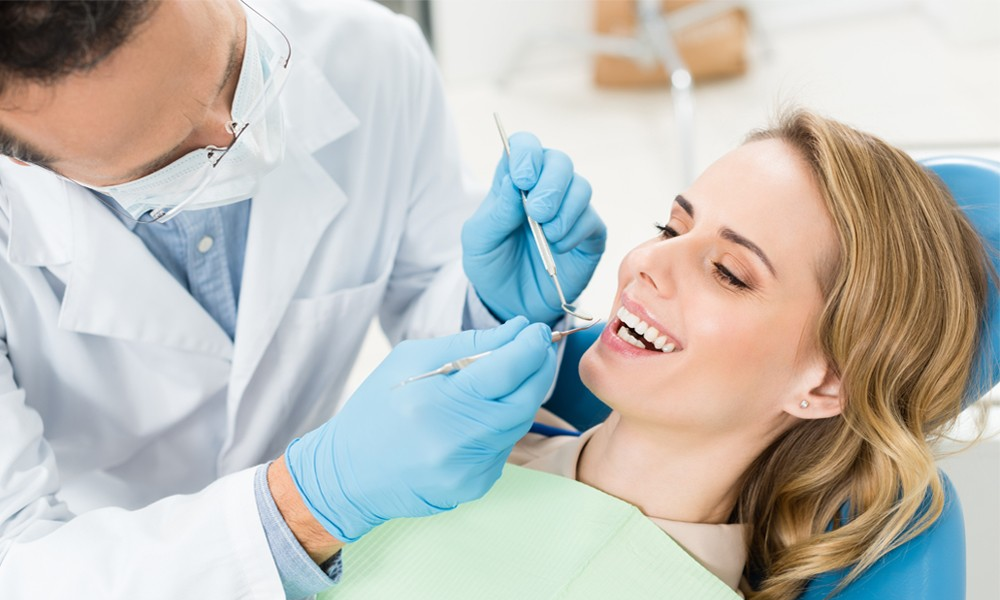
Regular denture check-ups help identify potential problems before they become more uncomfortable or difficult to manage. They also provide an opportunity to assess the condition of your dentures and discuss any changes you have noticed. Whether you wear full or partial dentures, ongoing professional care plays an important role in maintaining comfort and supporting good oral health.
Check That Your Dentures Still Fit Properly
A comfortable fit is one of the most important parts of wearing dentures. However, your mouth does not remain exactly the same throughout life. Changes in your gums and jawbone can gradually affect the shape of your mouth, which may cause dentures that once fitted well to become loose or unstable.
During a denture check-up, a professional can assess how your dentures sit against your gums and identify areas that may need attention. If your dentures move when eating or speaking, it could indicate that an adjustment or further assessment is needed. Addressing these changes early can help maintain a more comfortable fit and reduce unnecessary irritation.
Help Prevent Gum Irritation and Mouth Sores
Dentures that no longer fit properly can rub against the soft tissues inside your mouth. This friction may cause sore spots, redness, tenderness and small ulcers. Although some discomfort is common when getting used to new dentures, ongoing irritation should not be ignored.
Regular check-ups allow potential problem areas to be identified and assessed. A professional can examine the areas where your dentures make contact with your gums and determine whether adjustments are appropriate. Seeking advice when discomfort first appears can help prevent minor irritation from developing into a more persistent problem.
Maintain Good Oral Hygiene and Prevent Infections
Keeping your dentures clean is essential for maintaining a healthy mouth. Food particles, plaque and bacteria can collect on denture surfaces, particularly around the areas that sit against your gums. If cleaning is neglected, this build-up may contribute to bad breath, irritation and oral infections.
Professional check-ups provide an opportunity to discuss your cleaning routine and identify any concerns. You should also continue cleaning your mouth, including your gums, tongue and any remaining natural teeth. Partial denture wearers need to pay particular attention to their remaining teeth because these can still develop tooth decay and gum disease. Good daily cleaning habits, combined with regular professional reviews, help support better oral hygiene.
Monitor Changes in Your Gums and Jawbone
Your gums and jawbone can gradually change shape after tooth loss. This process may affect the way dentures fit, even if you have worn the same set comfortably for several years. As the underlying tissues change, gaps can develop between the denture and the gums, making the appliance less stable.
Regular assessments help identify these changes and determine whether your dentures still provide suitable support. A professional may recommend adjustments, relining or replacement depending on their condition and your individual needs. Monitoring these changes is particularly important because a loose denture can affect everyday comfort, chewing and speech.
Identify Worn or Damaged Dentures Early
Dentures are designed for everyday use, but regular wear can gradually affect their appearance, shape and function. Small cracks, damaged teeth, worn surfaces or changes in the denture base may reduce comfort and make the appliance less effective.
During a check-up, your dentures can be examined for visible damage and signs of general wear. Identifying problems early may allow suitable repairs or adjustments before the damage becomes more serious. If your dentures are significantly worn or no longer suitable, a replacement may be recommended. Looking after your existing dentures and attending regular reviews can help you understand when they need professional attention.
Support Comfortable Eating and Clear Speech
Well-fitting dentures can help you enjoy a wider range of foods and communicate more comfortably. However, loose or poorly positioned dentures may move during meals or when speaking. This can make chewing difficult and affect the clarity of certain words.
A regular check-up gives you the opportunity to discuss these difficulties and have the fit of your dentures assessed. If you experience clicking, slipping or discomfort, professional advice can help identify the cause. Maintaining suitable dentures can make everyday activities easier and help you feel more confident when eating with family or speaking with others.
When Should You Book a Denture Check-Up?
You should arrange a professional assessment if your dentures start feeling uncomfortable, become loose or cause repeated irritation. Other warning signs include clicking when speaking, difficulty chewing, visible cracks, bleeding gums or persistent sore areas. These changes may indicate that your dentures need adjustment, repair or replacement. You should also seek prompt advice about any mouth ulcer or sore area that does not heal.
If you need professional guidance, visiting a denture clinic peterborough can help you understand whether your dentures are still suitable for your needs. Regular reviews should continue even when your dentures feel comfortable, as some changes inside the mouth may not be immediately noticeable. Your dental professional can advise how frequently you should attend based on your oral health and individual circumstances.
Conclusion
Regular denture check-ups are an important part of maintaining oral health and getting the best from your dentures. They help monitor changes in your gums and jawbone, identify signs of damage, assess denture fit and address problems that may affect everyday comfort. Good cleaning habits are equally important, particularly for people who wear partial dentures and have remaining natural teeth.
Rather than waiting until your dentures become uncomfortable, make professional reviews part of your ongoing oral care routine. With appropriate maintenance and timely advice, you can help keep your dentures in good condition, support a healthier mouth and continue enjoying your daily activities with greater confidence.