
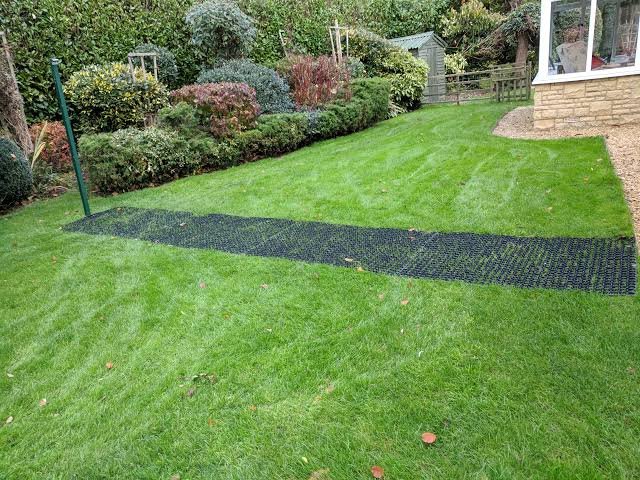
How Rubber Grass Matting Prevents Mud and Protects Lawns
High-traffic outdoor areas like play parks, garden pathways, and event spaces face continuous ground erosion, especially during wet weather across the UK. Persistent foot traffic compresses soil, strips away natural grass roots, and turns lush green lawns into muddy, unusable ground. Once turf structures collapse, standing water pools on the surface, making outdoor spaces hazardous and difficult to maintain.
Installing heavy-duty rubber grass matting provides an open-ring ground reinforcement layer that cushions foot steps, stabilizes soil structures, and allows natural grass to grow through uninhibited.
Why High-Traffic Lawns Need Ground Reinforcement
Natural turf relies on uncompressed soil to absorb rainwater and maintain strong root systems. When heavy foot traffic presses down on wet turf, soil compaction restricts oxygen and water flow to grass roots.
| Lawn Challenge | Damage Mechanism to Turf | Protective Rubber Solution |
| Soil Compaction | Footwear crushes air pockets, suffocating grass roots | Open lattice structure distributes weight across a wider area |
| Mud & Puddling | Water cannot infiltrate compacted ground, creating mud | Ring apertures allow direct water drainage into soil sub-layers |
| Root Wear & Tear | Direct shoe friction rips grass crowns from the soil base | Recessed mat profile protects grass roots below shoe level |
| Slip Hazards | Wet, bare mud patches create slick, unsafe footways | Textured rubber surface maintains high multi-directional traction |
Protecting turf root structures allows lawns to stay green while supporting heavy foot traffic, play equipment, or light vehicle passage.
Practical Applications for Outdoor Protection
Open-mesh ring mats offer versatile ground safety solutions across various residential, commercial, and recreational settings.
-
Children’s Playgrounds: Installed underneath swings, slides, and climbing frames to serve as critical fall-height safety surfacing while preserving green grass cover.
-
Garden Paths & Gateway Entrances: Placed along heavily walked garden tracks and entrance gates where foot traffic rapidly turns soil into deep mud lanes.
-
Event Lawns & Temporary Parking: Provides temporary or permanent vehicle traction over natural ground without crushing grass blades or creating deep mud ruts.
When outfitting outdoor recreational areas or commercial grounds with long-lasting safety matting, sourcing materials from specialists like Essential Mats ensures optimal UV stability, frost resistance, and compliance with fall safety standards.
Step-by-Step Installation Process
Installing open-mesh rubber ground mats directly over existing turf is a straightforward process that requires minimal ground disruption.
-
Prepare the Turf Base: Mow the grass down short and fill in any deep holes or divots with topsoil and grass seed to ensure a smooth, level foundation.
-
Lay out the Rubber Panels: Position mats side-by-side starting from the edge of the area. Interlock adjacent panels using heavy-duty plastic cable ties every 15cm to 20cm to form a unified sheet.
-
Anchor securely to Ground: Secure the matting down using steel pegs driven flush through the apertures along perimeter edges and mat joins.
-
Allow Grass Growth: Over a few weeks, natural grass will grow up through the open ring holes. Mowing can resume as normal once the matting settles flush into the turf base.
Maintenance and Long-Term Care Guidelines
Properly installed rubber ground protection requires very little ongoing maintenance once grass integrates into the mesh apertures.
-
Mowing Routine: Set mower blades slightly higher during the first few weeks until the mats settle flat against the soil surface.
-
Debris Removal: Rake away autumn leaves or excess lawn clippings regularly to ensure sun exposure reaches the growing grass blades beneath.
-
Periodic Peg Inspection: Check perimeter anchor pegs annually to ensure ground movement or frost heave has not raised any metal edges above soil level.
Frequently Asked Questions
Will grass continue to grow through rubber grass mats?
Yes, the open-ring design allows grass to grow freely through the holes. Once grass matures over the matting, the rubber becomes virtually invisible while maintaining ground structure underneath.
Can I mow over rubber grass matting?
Once the mats have settled level into the turf base, standard lawnmowers and ride-on mowers can pass directly over the matting without damaging blades or lifting the mats.
Are rubber grass mats suitable for playground fall safety?
Yes, high-density rubber grass mats tested to critical fall height standards provide shock absorption when installed over suitable soil or turf bases underneath playground equipment.
How do rubber mats prevent mud in winter?
The rubber lattice elevates footwear above the soil line while spreading body weight, preventing shoes from digging into wet earth and turning soil into slurry.