
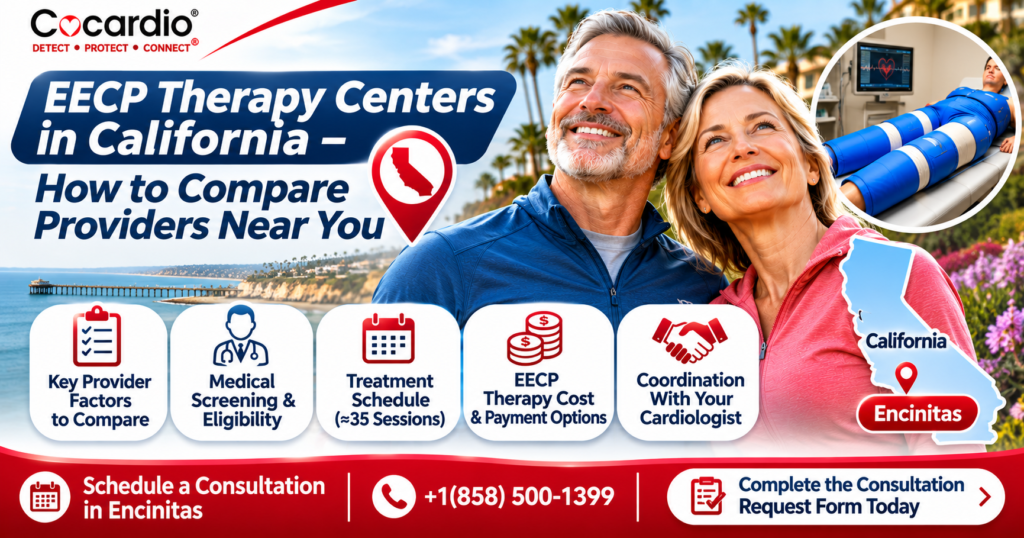
EECP Therapy Centers in California – How to Compare Providers Near You
Finding the right provider for enhanced external counterpulsation (EECP) requires more than choosing the closest clinic. Patients should consider medical oversight, screening procedures, treatment schedules, financial transparency, and communication with their cardiologist. If you are searching for EECP therapy near me, understanding these factors can help you evaluate outpatient treatment options across California. The goal is to identify a provider that can explain the procedure clearly and determine whether it is medically appropriate for your situation.
EECP is a noninvasive treatment approach primarily studied for selected patients with chronic stable or refractory angina. It uses inflatable cuffs around the lower body that operate in coordination with the heartbeat to influence circulation. Although some patients report improvements in symptoms or exercise tolerance, treatment responses vary and the evidence has limitations. A qualified physician must determine eligibility before a patient begins treatment.
What Are EECP Therapy Centers?
EECP therapy centers provide specialized outpatient services using enhanced external counterpulsation equipment. The procedure involves sequential inflation and deflation of cuffs positioned around the legs and lower body. A computerized system synchronizes compression with the cardiac cycle to produce specific circulatory effects. Unlike coronary stenting or bypass surgery, EECP does not physically open blocked coronary arteries or require surgical incisions.
What Happens During an EECP Session?
Patients generally lie on a treatment table while compression cuffs are secured around their lower body. During the session, the cuffs inflate and deflate in coordination with the heartbeat, creating a rhythmic squeezing sensation. Clinical staff should monitor treatment parameters, patient comfort, and any concerning symptoms. A typical appointment involves approximately one hour of therapy, although preparation and assessment may require additional time.
How Long Does a Complete Treatment Course Take?
A commonly used EECP protocol includes approximately 35 one-hour sessions over several weeks. Many programs schedule treatment five days per week, although arrangements may vary by provider and clinical circumstances. This repeated appointment schedule makes location, transportation, and availability important practical considerations. Patients should understand the full time commitment before agreeing to a treatment plan.
Why Choosing the Right EECP Provider Matters
Not every outpatient clinic offers the same screening process, treatment protocols, or medical oversight arrangements. Some providers may have different approaches to coordinating care with a patient’s existing cardiologist. Clear communication is particularly important because EECP is not appropriate for every cardiovascular condition. Comparing providers systematically can help patients identify questions that should be answered before treatment begins.
Factor 1 – Medical Screening and Patient Eligibility
A provider should explain how medical eligibility is evaluated before beginning treatment. Screening may involve reviewing cardiovascular diagnoses, current medications, previous procedures, cardiac rhythm, blood pressure, and relevant vascular conditions. Certain conditions, including significant aortic regurgitation, some rhythm disturbances, and specific vascular or thrombotic disorders, may affect suitability. Patients should ask which qualified healthcare professional is responsible for determining whether treatment is appropriate.
Factor 2 – Medical Oversight and Clinical Experience
Ask who supervises the treatment program and what qualifications the clinical staff possess. A provider should be able to explain how symptoms are monitored and what procedures are followed if a patient experiences discomfort or a change in condition. Experience with EECP equipment is useful, but it does not replace appropriate medical screening and physician oversight. Patients should also ask how the clinic communicates with their treating cardiologist.
Factor 3 – Treatment Equipment and Monitoring
Modern EECP systems use computerized timing to coordinate cuff compression with the patient’s heartbeat. Patients can ask how equipment is maintained, how treatment settings are selected, and what monitoring occurs during each session. A clinic should explain the expected sensations and potential side effects before treatment begins. Equipment availability alone does not establish that a particular provider is the right choice for every patient.
How to Compare EECP Providers Across California
California patients may find outpatient EECP services in different metropolitan areas, but geographic convenience should not be the only deciding factor. Treatment requires repeated appointments, so travel time and scheduling can influence whether completing the course is practical. At the same time, clinical screening and appropriate medical supervision should remain priorities. Patients should compare the full treatment process rather than relying exclusively on promotional descriptions.
Compare Providers Based on Their Screening Process
Ask whether the clinic requires recent cardiology records or a physician referral before beginning treatment. Clarify whether an initial consultation includes a medical history review and discussion of potential contraindications. Patients should also ask what happens if screening identifies a condition that makes EECP inappropriate. A transparent provider should explain these requirements before asking patients to commit to a treatment course.
Compare Appointment Availability and Scheduling
A complete EECP program may involve frequent visits over several weeks, which can affect work and family responsibilities. Ask whether the clinic offers consistent appointment times and how missed sessions are handled. Patients traveling from outside the immediate area should also consider transportation and accommodation requirements. Understanding these logistics early can prevent avoidable scheduling difficulties.
Compare Communication and Follow-Up Procedures
Ask how the provider documents symptom changes and whether progress is reviewed during or after treatment. It is important to understand who patients should contact if they develop new symptoms between appointments. The clinic should also explain whether it communicates treatment information to the patient’s existing cardiologist. Follow-up arrangements can help patients maintain continuity of care after completing a treatment course.
Understanding EECP Therapy Cost in California
The total expense of an EECP program may depend on consultation fees, screening requirements, treatment sessions, and provider-specific payment policies. Patients should request a complete estimate rather than relying on the advertised price of a single appointment. Insurance coverage may be available for certain eligible patients under specific medical necessity criteria, but coverage varies by insurer and provider. For questions about EECP therapy cost, patients can contact CoCardio® to discuss its services and cash-pay arrangements.
Does Insurance Cover EECP?
Some insurance plans, including Medicare under defined clinical conditions, may cover EECP for qualifying patients. However, coverage criteria do not guarantee that a particular clinic will submit claims or accept insurance reimbursement. CoCardio® operates on a cash-pay basis and does not bill insurance for consultations, ECP/EECP sessions, or preventive cardiovascular wellness services. HSA or FSA eligibility depends on individual plan requirements and should be confirmed with the plan administrator.
Questions to Ask About Pricing
Request written information about consultation charges, the recommended treatment course, payment timing, and cancellation policies. Ask whether additional medical screening or follow-up services could involve separate expenses. Clarify what happens financially if a physician recommends modifying or discontinuing treatment. Transparent pricing helps patients evaluate the practical commitment without confusing cost with clinical effectiveness.
Who May Benefit From EECP?
EECP may be considered for selected patients with chronic stable or refractory angina despite guideline-directed medical treatment. This may include individuals who are not suitable candidates for additional coronary revascularization or whose symptoms remain difficult to control. Patients exploring eecp therapy for angina should first discuss their diagnosis and treatment history with a cardiologist. The decision depends on medical stability, previous procedures, current symptoms, and potential contraindications.
What Is Refractory Angina?
Refractory angina generally describes chronic angina that persists despite appropriate medical treatment when conventional revascularization options are unsuitable or have been exhausted. Patients may experience chest discomfort during walking, climbing stairs, or other everyday activities. Persistent chest pain alone does not establish the diagnosis because several cardiac and noncardiac conditions can produce similar symptoms. A qualified clinician should determine the cause before recommending additional treatment.
Can EECP Replace Stents or Bypass Surgery?
EECP does not mechanically remove coronary plaque, open blocked arteries, or create a new route around a coronary obstruction. Stents and bypass surgery have established roles in treating certain forms of coronary artery disease when clinically indicated. EECP may be considered for symptom management in selected patients, but it is not a substitute for necessary revascularization. Treatment choices should be based on medical evidence and individualized cardiology assessment.
Questions to Ask Before Choosing an EECP Center
Patients should prepare questions that address medical safety, treatment expectations, and practical requirements. A structured discussion can help clarify whether the provider’s services are appropriate for the patient’s circumstances. It also allows patients to compare information from different clinics without relying solely on advertising claims. The following areas are particularly useful to review during an initial consultation.
Who Determines Whether I Qualify?
Ask which healthcare professional reviews your medical history and determines treatment eligibility. Clarify whether recent diagnostic testing, cardiology notes, or medication records are required. The clinic should explain how contraindications are identified and what happens if further medical evaluation is necessary. Patients should not assume that a noninvasive procedure is suitable for every cardiovascular condition.
What Benefits Should I Realistically Expect?
Ask whether available research supports symptom improvement for patients with a medical history similar to yours. Some individuals experience reduced angina frequency or improved activity tolerance, while others may have limited benefit. EECP has not been established as a cure for coronary artery disease or a method of preventing heart attacks. Providers should communicate these limitations clearly rather than guaranteeing specific outcomes.
How Will My Progress Be Monitored?
Ask whether the clinic documents angina frequency, activity tolerance, and other relevant symptoms before and after treatment. Clarify who reviews progress and whether the treating cardiologist receives updates. Monitoring can help identify changes that require additional medical attention. It should not be interpreted as proof that coronary blockages have disappeared.
Finding EECP Therapy Near Me in Southern California
Patients searching for EECP therapy near me in Southern California may want to compare providers based on location, medical screening, and treatment logistics. Frequent appointments make convenient access valuable, particularly for patients managing work or transportation limitations. However, the quality of the clinical evaluation and communication with existing healthcare providers should remain central to the decision. Choosing a nearby clinic is useful only when the service is medically appropriate.
EECP Services in Encinitas and North San Diego County
CoCardio® provides outpatient counterpulsation services in Encinitas, California, for patients interested in learning about noninvasive symptom-management options. The clinic can explain its consultation process, treatment scheduling, and cash-pay model. Patients should continue coordinating cardiovascular care with their cardiologist when considering EECP. Eligibility and treatment expectations must be determined through appropriate medical evaluation.
Should You Travel for EECP?
Patients considering treatment outside their immediate community should account for the repeated-session schedule. Travel time, transportation expenses, and potential accommodation needs may affect the overall commitment. A patient traveling a long distance should clarify appointment availability before making arrangements. Medical suitability should be established before investing in travel or treatment plans.
How ECP Therapy Works in an Outpatient Setting
Patients researching ecp therapy may encounter descriptions of the procedure as a noninvasive approach to influencing circulation. The treatment uses external compression rather than a catheter placed inside a blood vessel. Cuff inflation is synchronized with the cardiac cycle to produce specific hemodynamic effects. Its intended role is different from emergency cardiac care or procedures that directly treat coronary obstructions.
What Are the Possible Side Effects?
Patients may experience temporary discomfort, skin irritation, bruising, or other effects associated with repeated cuff compression. Certain medical conditions may increase risks or make the procedure unsuitable. The clinical team should explain potential side effects and the circumstances in which treatment may need to be stopped. Patients should report any unusual symptoms promptly rather than continuing treatment despite significant discomfort.
Comparing EECP Therapy Centers Without Relying on Marketing Claims
When reviewing eecp therapy centers, patients should look for clear explanations of screening, medical oversight, and realistic treatment outcomes. Claims that EECP cures coronary artery disease, eliminates plaque, or guarantees symptom relief should be treated cautiously. A provider should explain both the potential benefits and the limitations of the available evidence. Patients can use these factors to compare services more objectively.
Red Flags to Watch For
Be cautious if a clinic promises permanent results or suggests that EECP can replace all prescribed heart medications. Another concern is a lack of explanation about medical eligibility, contraindications, or the need for physician involvement. Unclear pricing and pressure to commit before appropriate screening should also prompt additional questions. Patients should feel comfortable requesting written information before making a decision.
Why Local Search Results Are Only a Starting Point
Searching for EECP therapy near me can help identify potential providers, but search rankings do not establish clinical quality. A highly visible listing may provide convenient contact information without answering important questions about screening or medical supervision. Patients should review provider information, contact clinics directly, and consult their cardiologist before selecting a treatment program. An informed decision requires more than comparing distance or online visibility.
What About ECP Therapy Near Me Searches?
The terms ECP and EECP are sometimes used interchangeably in online searches, although providers may describe their services differently. Patients searching for ECP therapy near me should confirm the exact procedure being offered and how it is delivered. Ask whether the provider uses enhanced external counterpulsation equipment and what screening is required. Clear terminology helps prevent confusion when comparing outpatient services.
Download a Free EECP Patient Guide
Patients comparing providers may benefit from reviewing educational resources before their consultation. Download the Free 2027 EECP Therapy for Angina Guide to explore treatment options, eligibility considerations, and questions to ask a physician. The guide can help organize concerns about persistent angina and the practical requirements of treatment. It is intended for patient education and does not establish treatment eligibility.
How to Prepare for Your First EECP Consultation
Before contacting a provider, gather information about your cardiovascular diagnosis, previous procedures, current medications, and recent testing. Record the frequency and triggers of any recurring chest discomfort, along with how symptoms affect daily activities. These details can help healthcare professionals understand your situation and identify whether further evaluation is needed. Patients should also prepare questions about treatment scheduling, payment policies, and communication with their cardiologist.
What Medical Information Should You Bring?
Bring an updated medication list, relevant cardiology records, and information about previous stents, bypass surgery, or other cardiac procedures. If available, include recent test results and notes about changes in symptoms. Your clinician may request additional information depending on your medical history. Accurate records can make the screening discussion more productive.
When Chest Pain Requires Emergency Care
New, severe, worsening, or unexpected chest pain should never be treated as a routine outpatient scheduling concern. Warning signs of a heart attack may include chest pressure, shortness of breath, sweating, nausea, fainting, or pain spreading to the arm, jaw, neck, or back. Call 911 immediately if a heart attack is suspected, even if you have previously experienced stable angina. EECP is not an emergency treatment for an acute cardiac event.
Schedule a CoCardio® Consultation in Encinitas
CoCardio® serves patients in Encinitas and surrounding North San Diego County communities who want to learn about outpatient counterpulsation. The team can provide information about consultation procedures, screening considerations, appointment schedules, and cash-pay arrangements. Patients should continue following their treating cardiologist’s recommendations while exploring additional symptom-management options. A consultation does not guarantee that EECP will be medically appropriate or produce a particular outcome.
Request Information About Your Treatment Options
If you are exploring EECP therapy near me, CoCardio® can explain the next steps for requesting an initial consultation. You can ask about treatment scheduling, medical documentation, payment arrangements, and the screening process. Complete the CoCardio® consultation request form or call +1(858) 500-1399 to request information. The clinic is located in Encinitas, California, and serves patients throughout the surrounding North San Diego County area.
Conclusion
Comparing EECP providers requires careful consideration of medical oversight, eligibility screening, treatment expectations, scheduling, and financial transparency. Although geographic convenience matters, patients should prioritize appropriate clinical evaluation and coordination with their cardiologist. EECP may be a symptom-management option for selected individuals with persistent stable angina, but it is not a cure for coronary artery disease or a replacement for medically necessary intervention. Patients in California can use these comparison criteria to make more informed decisions about outpatient care.
Medical Disclaimer
This article is provided by CoCardio® for general educational purposes and does not constitute medical advice, diagnosis, or a recommendation for a specific treatment. EECP eligibility, contraindications, potential benefits, and alternatives must be evaluated by a qualified healthcare professional familiar with the patient’s medical history. EECP is not proven to cure coronary artery disease, remove arterial plaque, prevent heart attacks, or replace medically necessary medications, coronary stenting, or bypass surgery. If you experience new, severe, worsening, or otherwise concerning chest pain, call 911 immediately rather than waiting for an outpatient consultation.