
What Makes a Personal Support Worker an Important Part of Ontario’s Healthcare System?
Ontario’s healthcare system depends on more than doctors, nurses, and medical specialists. Personal Support Workers (PSWs) also play an essential role in helping people receive the daily care and support they need. From assisting seniors with everyday activities to supporting individuals living with disabilities or recovering from illness, PSWs make a meaningful difference in people’s lives.
As the demand for personal care services continues to grow, the role of PSWs has become increasingly important across Ontario. They help individuals maintain their comfort, dignity, independence, and quality of life while supporting families and other healthcare professionals.
Let’s explore why Personal Support Workers are such an important part of Ontario’s healthcare system and what makes this career valuable.
1. Providing Essential Daily Living Support
One of the main responsibilities of a Personal Support Worker is helping individuals with activities they may find difficult to manage independently.
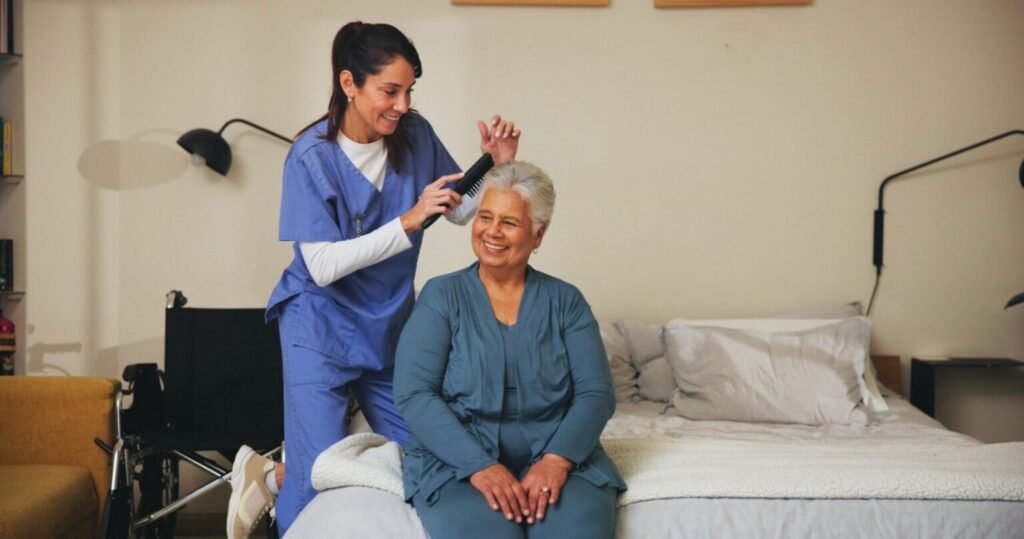
For example, some seniors may need assistance with bathing, dressing, grooming, eating, and moving around safely. Individuals recovering from surgery or living with physical limitations may also require regular support with everyday tasks.
PSWs provide this assistance while respecting each person’s privacy, preferences, and dignity. Their support allows many individuals to remain comfortable in their homes or receive appropriate care in long-term care facilities.
These everyday responsibilities may seem simple, but they have a significant impact on a person’s overall well-being.
2. Supporting Seniors and Individuals with Disabilities
Ontario has a growing need for healthcare professionals who can support older adults and people with disabilities. Many individuals require ongoing assistance because of age-related changes, mobility challenges, or health conditions.
Personal Support Workers help address these needs by providing compassionate, patient-focused care.
Their responsibilities may include:
- Helping individuals move safely from one place to another.
- Assisting with personal hygiene and grooming.
- Supporting meal preparation and feeding when required.
- Encouraging participation in suitable daily activities.
- Providing companionship and emotional support.
- Observing and reporting changes in a person’s condition.
This type of assistance helps individuals maintain their independence as much as possible while receiving the care they need.
3. Making a Difference Through Emotional Support
Healthcare is not only about physical treatment. Emotional well-being is equally important, especially for individuals who spend long periods receiving care or living away from their families.
Many seniors and individuals with disabilities experience loneliness, isolation, or frustration because they cannot perform certain activities independently.
PSWs often spend considerable time interacting with the people they support. A friendly conversation, patient listening, or simply being present can make someone’s day more comfortable.
Building trust is an important part of this relationship. When clients feel respected and understood, they are more likely to feel comfortable receiving assistance.
This human connection is one of the reasons why Personal Support Workers hold such an important position in healthcare.
4. Working Alongside Other Healthcare Professionals
Personal Support Workers are an important part of the wider healthcare team. They often work alongside registered nurses, doctors, therapists, and other care providers in hospitals, long-term care homes, retirement residences, and community settings.
While PSWs do not replace nurses or doctors, their observations and daily interactions can help other healthcare professionals understand a client’s changing needs.
For example, a PSW may notice that a client has difficulty walking, appears unusually tired, or is eating less than usual. Reporting these observations to the appropriate healthcare professional can help ensure that concerns are addressed.
Teamwork, clear communication, and following care plans are essential parts of providing safe and effective support.
5. Helping Individuals Maintain Their Independence
One of the most valuable contributions of a PSW is helping people maintain as much independence as possible.
Instead of doing everything for a client, a good Personal Support Worker encourages them to participate in activities according to their abilities.
For example, a senior who can dress independently but needs assistance with certain movements should be encouraged to complete the tasks they can manage safely.
This approach supports confidence, dignity, and a sense of personal control.
In Ontario, home and community care services also benefit from this type of support because it helps individuals remain in familiar environments whenever appropriate.
6. Why Proper PSW Training Matters
Being a Personal Support Worker requires more than kindness and a willingness to help others. Individuals entering this profession need practical skills, communication abilities, knowledge of personal care, and an understanding of workplace safety.
Quality training helps future PSWs understand important areas such as:
- Personal hygiene and infection prevention.
- Safe lifting and transferring techniques.
- Basic nutrition and hydration.
- Communication and interpersonal skills.
- Supporting individuals with different care needs.
- Maintaining privacy, dignity, and confidentiality.
- Recognizing and reporting changes in a client’s condition.
Students interested in entering this profession can explore a PSW training program in Vaughan to understand the education, practical learning, and preparation involved in starting this career.
At Hero Training Academy, students can explore healthcare-focused education designed to develop the knowledge and practical abilities needed for a future in personal support work.
7. Growing Career Opportunities Across Ontario
Personal Support Workers can work in several healthcare and community care environments, depending on their qualifications, training, and employer requirements.
Some common employment settings include:
- Long-term care homes.
- Retirement residences.
- Home and community care services.
- Hospitals.
- Private home care services.
- Community support organizations.
Ontario’s healthcare and community care sectors require individuals who can provide reliable and compassionate support. This makes PSW training an option worth exploring for people interested in a career where they can contribute positively to others’ lives.
However, employment opportunities and requirements may vary depending on the employer and workplace.
8. Is a Career as a PSW Right for You?
A career in personal support work can be rewarding for individuals who enjoy helping others and are comfortable working in a care-focused environment.
Some qualities that are particularly valuable in this profession include patience, empathy, responsibility, good communication, attention to detail, and respect for different backgrounds and personal needs.
The work can also be physically and emotionally demanding. PSWs may assist clients with mobility, work different shifts, and support individuals facing challenging health circumstances.
Understanding these responsibilities before entering the profession can help students make a more informed career decision.
Final Thoughts
Personal Support Workers are an essential part of Ontario’s healthcare system because they provide daily assistance, emotional support, and compassionate care to individuals who need help maintaining their quality of life. Their contribution supports clients, families, and other healthcare professionals across different care settings. For anyone interested in entering this meaningful profession, exploring a Personal Support Worker Course Vaughan can be a helpful first step towards understanding the training and skills required for this career. Hero Training Academy encourages aspiring healthcare professionals to learn more about its PSW training opportunities and take an informed step towards a future in personal support work.