
Beekeepers Veil: How to Choose and Maintain One
Beekeepers Veil: What to Know About Fit, Visibility, and Everyday Use
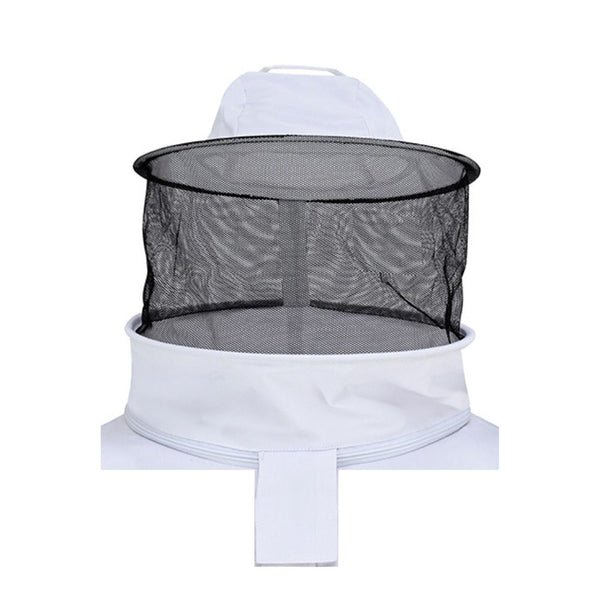
A beekeepers veil is protective headwear that uses fine mesh to cover the face and neck while working around honeybee colonies. It helps reduce direct contact with bees without blocking the beekeeper’s view of frames, hive entrances, and colony activity.
Whether you’re preparing for your first inspection or replacing an older veil, choosing the right design matters. Comfortable headroom, secure attachments, and clear visibility can make hive work easier, particularly when inspections involve careful observation and repeated movement.
Why Is a Beekeepers Veil Important for Safe Hive Handling?
Honeybees may become defensive when their colony is disturbed. Opening hive boxes, removing frames, and collecting honey can increase activity around the beekeeper.
A properly fitted protective beekeeper veil creates a barrier around sensitive facial areas, including the eyes, nose, ears, and neck.
The mesh should remain separated from the skin because bees may sting through material that touches the face.
However, no protective veil can guarantee complete sting prevention.
Which Beekeepers Veil Design Is Right for You?
Different designs offer distinct viewing experiences and fitting arrangements.
Fencing Veils for Detailed Colony Inspections
A fencing veil features a structured hood with a front mesh viewing panel.
This design provides a defined forward viewing area when checking brood frames, examining honey stores, or searching for the queen.
Many fencing veils connect directly to compatible beekeeping jackets or suits.
Round Veils for Wider Viewing Space
A round beekeeping veil uses a circular brim to support mesh around the head.
Its shape provides viewing space in several directions, which can be useful when moving between colonies or observing nearby hive activity.
Bee Armor offers fencing and rounded veil options for different protective headwear preferences.
How Does Veil Fit Affect Comfort During Inspections?
A veil should remain securely positioned without restricting normal head movement.
Face Clearance
The mesh should stay away from your cheeks, forehead, and nose, even when bending forward.
Neck Coverage
Check that the veil attaches completely to compatible protective clothing without leaving gaps.
Comfortable Head Movement
Turn your head, look downward, and reach forward while wearing the veil. Its supporting structure should remain stable.
What Should You Check Before Buying a Replacement Veil?
Replacement compatibility is an important consideration because not every veil fits every protective jacket.
Check the attachment system, zipper arrangement, and manufacturer’s product specifications.
A replacement beekeeper veil should connect securely without forcing the fasteners or leaving openings around the neckline.
Also examine mesh quality, stitching, and frame stability.
If you wear glasses, choose a design that provides sufficient face clearance.
How Can You Improve Visibility While Wearing a Veil?
Clear visibility is essential when examining small eggs, checking brood development, and identifying changes in colony behavior.
Choose mesh that allows comfortable viewing without significant obstruction.
Keep the material clean and inspect it for damage that may interfere with vision.
Avoid adjusting your veil beside an open hive. Move away from active colonies before correcting the fit.
How Should You Clean and Store Your Beekeeping Veil?
After hive inspections, remove loose debris and examine the mesh, seams, and attachment points.
Follow the manufacturer’s cleaning instructions to prevent unnecessary damage.
Allow the veil to dry completely before storage.
Avoid crushing structured frames or placing sharp tools against the mesh.
Frequently Asked Questions
1. What does a beekeepers veil protect?
It provides mesh coverage around the face and neck, helping reduce direct contact with honeybees during hive inspections.
2. Can bees sting through a beekeepers veil?
Yes. Stings may occur through damaged mesh or material that presses directly against the skin.
3. Is a round veil better than a fencing veil?
Neither is universally better. Round veils offer viewing space around the head, while fencing veils provide structured forward visibility.
4. Can I buy a replacement veil separately?
Yes. Some manufacturers offer replacement veils, but compatibility with your existing protective clothing must be confirmed.
5. Can beginners use a separate beekeeper veil?
Yes, provided the veil offers secure coverage and works with suitable protective clothing.
6. Should a beekeeper veil touch the face?
No. The mesh should remain separated from the skin to reduce the possibility of stings through the material.
7. How often should a beekeepers veil be inspected?
Check its mesh, stitching, supporting frame, and attachments before every hive inspection.
Final Thoughts
Choosing a reliable beekeepers veil involves considering face clearance, mesh visibility, secure connections, and replacement compatibility. Fencing and round designs offer different advantages, but proper fit matters most. Regular maintenance helps keep protective headwear ready for comfortable and practical hive inspections.