
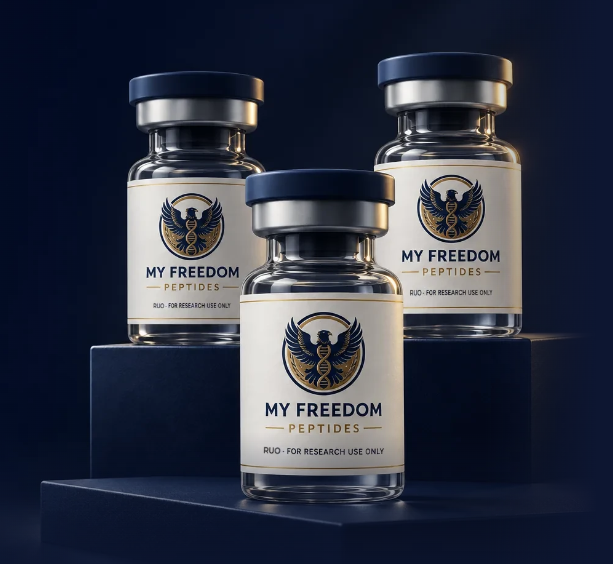
US Made Research Peptides: Understanding Manufacturing and Laboratory Standards
Laboratory researchers often consider manufacturing information, product documentation, and analytical verification when evaluating research materials. Those searching for US made research peptides may want to understand how supplier information, independent testing, and documented quality standards contribute to the evaluation of laboratory compounds.
Understanding Research Peptides
Peptides are molecules composed of amino acids connected through peptide bonds.
Their molecular structures vary depending on the number and sequence of amino acids. These differences influence their chemical characteristics and scientific research applications.
Research peptides are supplied for laboratory and scientific investigations. Each compound should be evaluated according to its identity, available specifications, and intended research purpose.
Why Manufacturing Information Matters
Manufacturing information can help researchers understand where a material is produced and what supplier standards are described.
My Freedom Peptides identifies its research peptides as U.S.-manufactured and highlights its approach to supplier verification and quality documentation.
Researchers evaluating manufacturing claims should review the available company information and any supporting documentation relevant to the specific product.
It is important to distinguish between a statement about U.S. manufacturing, a general quality standard, and a formal certification. These terms do not necessarily mean the same thing.
Understanding GMP and Quality Standards
GMP stands for Good Manufacturing Practice.
GMP frameworks involve requirements and controls designed to support consistent manufacturing processes and product quality in applicable industries.
However, the presence of a research peptide on a supplier website does not automatically establish that the product or manufacturing facility is GMP-certified.
Researchers should request or review appropriate supporting records before treating a GMP claim as verified.
A general statement about quality standards should not be presented as proof of formal GMP compliance.
The Role of Third-Party Testing
Manufacturing information is only one part of product evaluation.
Analytical testing can provide additional information about the characteristics of a specific material or batch.
My Freedom Peptides highlights independent laboratory testing and makes COA documentation available through its website.
The testing categories identified include:
- Purity.
- Identity.
- Net content or fill.
- Endotoxins.
- Heavy metals for selected batches.
- Sterility for selected batches.
Researchers should review the actual COA to confirm which tests were performed on a particular batch.
Why a COA Is Important
A Certificate of Analysis provides documented analytical results for a tested material.
It may contain information about product identity, batch number, purity, and testing methods.
The COA library offered by My Freedom Peptides allows researchers to examine published laboratory reports.
Before interpreting a report, researchers should confirm that its batch information corresponds to the material being evaluated.
A certificate supports review of the documented tests, but it should not be interpreted as an automatic guarantee of every product characteristic.
Supplier Transparency and Product Information
Clear supplier information can help researchers understand the products they are evaluating.
Useful information may include:
- Product identity.
- Available quantity.
- Physical form.
- Reported purity.
- Batch documentation.
- Storage instructions.
- Intended-use restrictions.
My Freedom Peptides provides a research peptide catalogue and publishes product-related analytical information.
Researchers should review each listing individually because product specifications and available testing results can vary.
Shipping and Product Handling
Shipping and packaging are also relevant to laboratory procurement.
Researchers should review current supplier shipping policies, order processing information, and packaging details before placing an order.
After receiving a material, laboratory personnel should verify the product identification and associated documentation before adding it to inventory.
Appropriate storage and recordkeeping support material traceability.
Research-Only Restrictions
The products supplied by My Freedom Peptides are intended strictly for laboratory, analytical, and scientific research.
They are not intended for human or veterinary consumption, administration, diagnosis, or treatment.
Qualified research personnel should follow applicable safety procedures and institutional requirements.
Conclusion
Evaluating U.S.-made research peptides involves reviewing manufacturing information, product specifications, analytical testing, and available documentation.
Researchers should distinguish between general supplier quality statements and formally documented certifications such as GMP compliance. Reviewing product-specific COAs and maintaining accurate laboratory records supports responsible research sourcing.