
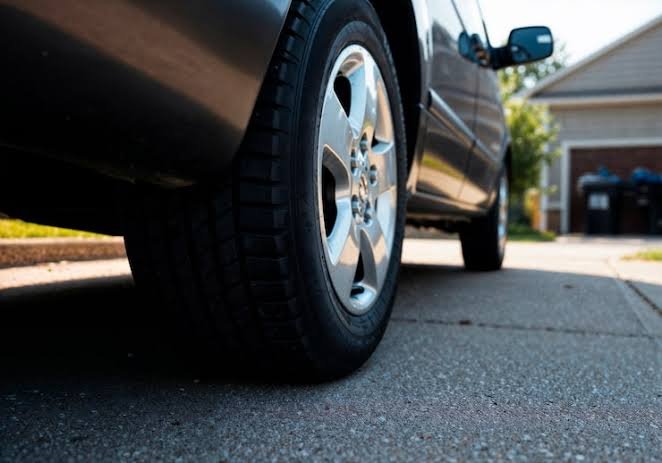
Best Tyre Shop Abu Dhabi: How to Choose Quality Tyres and Reliable Service
Tyres are the only part of your car that touches the road, so they affect braking, handling, comfort, and fuel use. In Abu Dhabi, where drivers face high temperatures, long highway stretches, and occasional sand on the road, tyre quality and proper servicing matter even more. This guide explains what to look for when searching for the best tyre shop abu dhabi, how to understand your tyre needs, and how to keep your tyres in good condition for longer.
Why Tyre Care Matters in Abu Dhabi
Abu Dhabi’s driving conditions are demanding. Summer road surface temperatures can climb far above the air temperature, which increases heat build-up inside the tyre. Combined with high speeds on roads like E10, E11, and E20, this puts significant stress on the rubber.
Key local factors include:
- Extreme heat: Heat accelerates rubber ageing and raises tyre pressure, increasing the risk of blowouts on worn or under-maintained tyres.
- Long-distance driving: Frequent trips between emirates add mileage and wear quickly.
- Dust and sand: Desert driving and roadside sand can affect grip and cause uneven wear.
- Occasional rain: Rain mixed with dust and oil residue can make roads slippery, so tread depth is important for safe braking.
Understanding Your Tyre Basics
Before visiting any workshop, it helps to know how to read your tyre.
The Sidewall Markings
A typical marking looks like 225/45 R17 94W:
- 225: Tyre width in millimetres
- 45: Aspect ratio (sidewall height as a percentage of width)
- R: Radial construction
- 17: Wheel diameter in inches
- 94: Load index
- W: Speed rating
Always match these specifications to your vehicle manufacturer’s recommendations, usually found in the owner’s manual or on a sticker inside the driver’s door frame.
Tyre Age (DOT Code)
Every tyre has a four-digit DOT date code. For example, “2423” means it was made in the 24th week of 2023. Tyres age even when unused, and in hot climates, many experts recommend replacing them around five to six years after manufacture, regardless of tread depth.
Types of Tyres Available
Different vehicles and driving styles need different tyres:
- Passenger car tyres: Balanced for comfort, fuel economy, and everyday driving.
- SUV and 4×4 tyres: Built for heavier vehicles, with stronger sidewalls and tread for varied surfaces.
- High-performance tyres: Designed for sporty handling and high speeds, though they often wear faster.
- All-terrain tyres: Suitable for drivers who regularly go off-road or into desert areas.
- Run-flat tyres: Allow limited driving after a puncture, useful for safety and convenience.
- Commercial and van tyres: Reinforced for heavy loads and long working hours.
What Makes a Tyre Shop Reliable?
Whether you are replacing one tyre or a full set, certain qualities separate a dependable service provider from an average one.
1. Wide Range of Brands and Options
A good shop stocks tyres across budget, mid-range, and premium categories, and can explain the differences without pushing a single option.
2. Genuine Products
Ask to see the sidewall markings and the DOT code. Fresh, properly stored tyres perform better and last longer than old stock.
3. Modern Equipment
Look for computerised wheel alignment, electronic wheel balancing, and up-to-date tyre-changing machines. These reduce the risk of damage to your rims and ensure accurate fitting.
4. Trained Technicians
Experienced staff can identify uneven wear patterns, suspension issues, and incorrect pressure habits, which saves you money in the long run.
5. Transparent Pricing
A clear quote should include the tyre price, fitting, balancing, valve replacement, and any disposal charges. Be cautious of unclear or unusually low prices.
6. Warranty and After-Sales Support
Check what the manufacturer warranty covers and whether the shop offers its own guarantees on fitting or services. Keep your invoice for future claims.
7. Convenience and Hours
Extended hours, quick turnaround, and options like mobile tyre services or appointment booking add real value, especially for busy drivers.
When comparing options for the best tyre shop abu dhabi, visit in person if possible, ask questions, and notice how the team treats your vehicle and your queries. Helpful, honest communication is often the clearest sign of a trustworthy business.
Services You Should Expect
A full-service tyre shop typically offers more than simple replacements:
- Tyre fitting and replacement
- Wheel balancing: Prevents vibration and uneven wear
- Wheel alignment: Keeps your car tracking straight and extends tyre life
- Puncture repair: Safe repairs for suitable damage, following proper standards
- Tyre rotation: Moves tyres between positions to even out wear
- Nitrogen inflation: Offered by some shops for more stable pressure
- Tyre pressure monitoring system (TPMS) service
- Rim and wheel inspection
When Should You Replace Your Tyres?
Do not wait for a failure. Watch for these signs:
- Low tread depth: Many regions treat 1.6 mm as the minimum, but replacing earlier, around 3 mm, improves wet braking performance.
- Cracks in the sidewall: Often caused by heat and age.
- Bulges or blisters: A sign of internal damage that can lead to sudden failure.
- Uneven wear: May indicate alignment, balance, or suspension problems.
- Persistent vibration: Could point to balancing issues or tyre damage.
- Frequent pressure loss: May signal a slow puncture or valve issue.
- Age: Tyres older than five or six years deserve a professional inspection.
A simple way to check tread is the coin test: insert a coin into the groove. If you can see most of the coin’s edge, the tread is getting low.
How to Choose the Right Tyre
Consider these points before purchasing:
- Vehicle type and manufacturer specifications: Stick to the recommended size, load index, and speed rating.
- Driving habits: City commuting, highway driving, and off-road use each call for different tyres.
- Budget: Balance upfront price with expected lifespan and performance.
- Heat resistance: Look for tyres with good performance in high temperatures.
- Noise and comfort: Some tyres are quieter and smoother than others.
- Fuel efficiency: Low rolling resistance tyres can help reduce fuel consumption.
- Tyre label information: Check the ratings for wet grip, fuel efficiency, and noise if available.
Tyre Maintenance Tips for Longer Life
Good habits extend tyre life and improve safety:
- Check pressure monthly, and before long trips. Measure when tyres are cold, as heat gives inaccurate readings.
- Follow the recommended pressure on your door sticker, not the maximum pressure printed on the tyre.
- Rotate tyres every 8,000 to 10,000 km, or as your manufacturer recommends.
- Align wheels after hitting a deep pothole or kerb, or if the car pulls to one side.
- Avoid overloading your vehicle beyond its rated capacity.
- Inspect your spare tyre regularly, since it ages too.
- Park in shade or covered areas when possible to reduce prolonged heat and UV exposure.
- Drive smoothly: Harsh braking and fast cornering wear tyres faster.
Common Tyre Mistakes to Avoid
- Mixing different tyre brands, sizes, or tread patterns on the same axle
- Ignoring slow pressure loss
- Buying tyres based only on price
- Using old tyres because the tread still looks fine
- Skipping alignment and balancing after new tyres are fitted
- Overinflating tyres in hot weather, which reduces grip and increases wear in the centre of the tread
- Neglecting the spare
Final Thoughts
Choosing the right tyres and a trustworthy service provider is an investment in safety, comfort, and long-term savings. Understand your tyre specifications, check the age and condition of what you are buying, and look for a workshop that offers honest advice, modern equipment, and clear pricing. Combine that with regular checks and sensible driving habits, and your tyres will perform better and last longer on Abu Dhabi’s roads.