
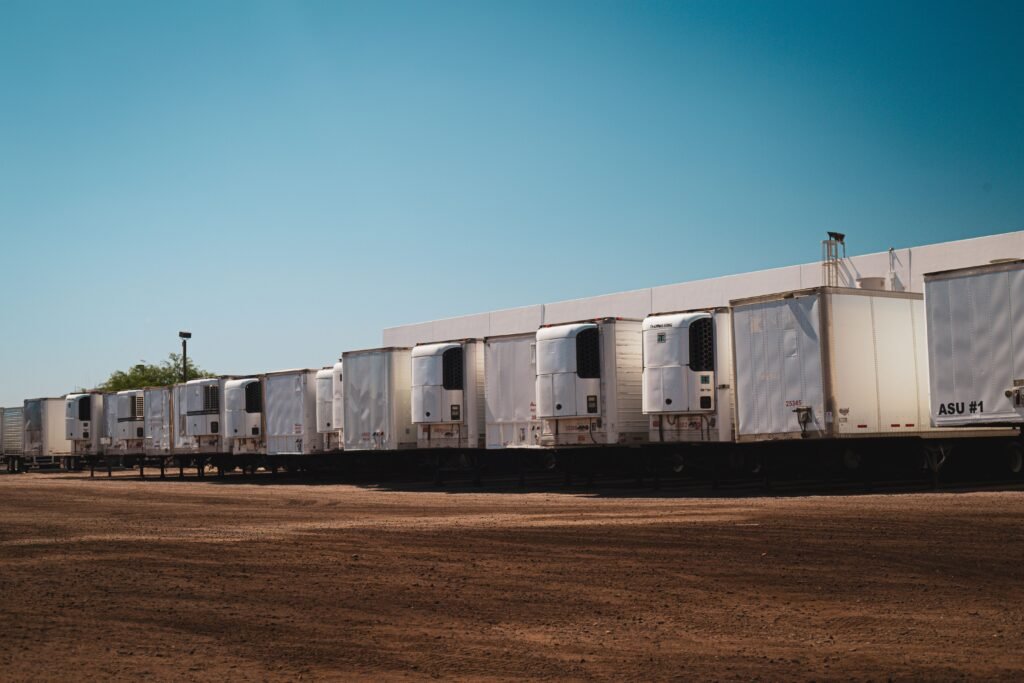
Why a Reefer Trailer Dealer Matters for Cold Chain
One failed refrigeration unit can turn a full load of produce or pharmaceuticals into a total loss. At Roadside Reefer Rescue, we see how often those breakdowns trace back to the original equipment choice. A trusted reefer trailer dealer in Bedford TX gives carriers a stronger start long before the first load is hauled.
The Cold Chain Depends on Equipment You Can Trust
Temperature-controlled freight leaves very little room for error. Fresh food, frozen goods and medical products must stay within a tight range from the dock to the delivery door. A refrigerated trailer is more than an insulated box, because the refrigeration unit, airflow design, floor and door seals all work together. When one part is weak, product quality drops quickly. Choosing the right trailer and the right partner is therefore a business decision, not only a purchase.
What a Good Dealer Actually Provides
A dealer is often viewed as a place to buy a trailer, but the best ones act as long-term advisors. They understand what different cargo needs and can match a trailer to real routes rather than guessing.
Matching Specifications to Your Freight
Dairy, produce, frozen protein and pharmaceuticals each have different temperature and airflow needs. A knowledgeable dealer asks about your lanes, loads and delivery windows before recommending a model. That conversation prevents expensive overbuying and costly underspecification.
Choosing Between New and Used Equipment
New units offer warranty coverage and current technology, while quality used trailers can lower upfront cost. An honest dealer explains the trade-offs and shares service history rather than pushing the most expensive option. Reefer hours, insulation condition and floor wear matter as much as age.
Unit Technology and Insulation Matter More Than Ever
Modern refrigeration units from makers such as Carrier Transicold and Thermo King offer telematics, remote monitoring and more efficient engines. These tools let fleet managers watch temperatures in real time and respond before a problem becomes a claim. Insulation has improved as well, with better foam and tighter seals that hold temperature longer and reduce fuel use. A dealer who keeps up with these changes can show you which features pay for themselves and which are unnecessary for your operation.
Compliance and Food Safety Obligations
Carriers that haul food are expected to follow the FDA’s Sanitary Transportation rule under the Food Safety Modernization Act. That includes keeping trailers clean, controlling temperature and documenting procedures. Pre-trip inspections and calibrated sensors support those records. A dealer familiar with these requirements can recommend equipment with reliable data logging and help you understand what your customers will expect during audits.
Questions to Ask Before You Buy
A short list of questions can reveal a lot about a seller. Bring these to your next conversation.
- What is the unit’s hour count and complete service history?
- Does the trailer come with warranty coverage, and what does it include?
- Can the dealer provide factory-trained technicians and genuine parts?
- What pull-down performance should I expect at my typical loads?
- Is there help with financing, titling and delivery?
Service Support Keeps the Investment Working
Buying the trailer is only the first step. Preventive maintenance such as belt checks, coolant inspection, filter changes and defrost testing prevents most roadside failures. Fleets in North Texas also face long summer heat, which pushes refrigeration systems harder than many drivers realize. Keeping a service plan, a parts source and an emergency contact ready reduces downtime and protects both the cargo and your reputation with shippers.
Frequently Asked Questions
How often should a reefer unit be serviced?
Most manufacturers recommend service at set engine-hour intervals, commonly every 1,500 hours or yearly. Heavy use and hot climates may call for more frequent checks. Always follow the schedule in your unit’s manual.
Is a used reefer trailer a safe purchase?
It can be, if you verify service records, hour meter readings and insulation condition. A pre-purchase inspection is strongly recommended. Reputable sellers will welcome that request.
What temperature range do refrigerated trailers hold?
Most modern units can operate from well below freezing up to mild warm settings. The right setpoint depends on the cargo being hauled. Always confirm requirements with your shipper before loading.
Why does pre-cooling a trailer matter?
Reefer units are designed to maintain temperature, not to rapidly cool warm product. Pre-cooling the empty trailer helps the load start at the correct temperature. It also reduces strain on the refrigeration system.
Final Thoughts
Reliable cold chain freight starts with dependable equipment and a partner who stands behind it. Working with a knowledgeable Reefer trailer dealer in Bedford TX helps you buy smarter, stay compliant and keep every load at the right temperature.