
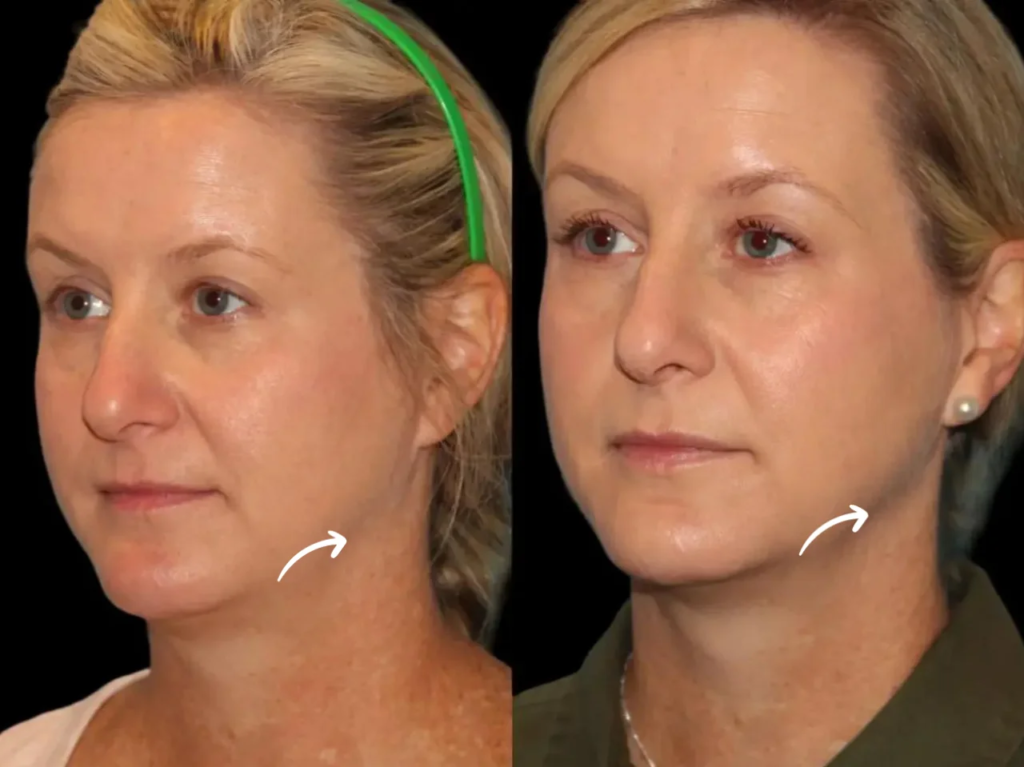
Sculptra Treatment in Dubai: What Happens Before the First Injection
Choosing an injectable aesthetic treatment involves more than deciding which areas you want to improve. Understanding the procedure, assessing your suitability, reviewing your medical history, and discussing realistic expectations are essential steps before treatment begins. Sculptra is a collagen-stimulating injectable designed to gradually improve facial volume and the appearance of certain wrinkles. Unlike conventional fillers that provide immediate volume, it works progressively by encouraging the body’s natural collagen production.
Before considering this treatment, patients should understand what happens during the consultation and preparation stages. These steps help establish whether the procedure is appropriate, which areas may benefit, and how the treatment should be planned. Knowing what to expect before the first injection can also make the experience more comfortable and help patients make informed decisions about their aesthetic goals.
Why Consultation Matters Before Sculptra Treatment in Dubai
A detailed consultation is one of the most important stages before Sculptra Treatment in Dubai. It allows the treating practitioner to understand the patient’s concerns, examine the relevant areas, review their medical background, and determine whether the procedure is suitable. This initial assessment also provides an opportunity to discuss expected outcomes, possible side effects, and the number of sessions that may be required.
Unlike treatments that produce immediate volume, Sculptra works gradually through collagen stimulation. Therefore, patients should understand its mechanism, expected timeline, and limitations before proceeding. A thorough consultation ensures that the proposed approach reflects individual needs rather than following a standard treatment plan for everyone.
Discussing Your Aesthetic Goals
The first part of the consultation generally involves discussing the changes a patient would like to achieve. Some individuals may be concerned about facial volume loss, while others may want to improve the appearance of folds, wrinkles, or changes in skin quality.
Patients should explain which areas concern them most and describe the type of improvement they expect. For example, someone considering sculptra in Dubai may want to address gradual facial volume changes rather than create a noticeably different appearance.
Clear communication helps the practitioner distinguish between concerns that may respond to collagen stimulation and those that require another treatment approach.
Evaluating Facial Structure and Skin Condition
A physical assessment helps determine the condition of the proposed treatment area. The practitioner may examine skin quality, existing volume, facial proportions, symmetry, and the depth of visible folds.
This assessment is important because not every concern is caused by collagen loss. Changes in facial appearance can also involve fat distribution, skin laxity, bone structure, and other factors.
The practitioner should consider these differences before recommending treatment. A carefully planned approach focuses on improving the relevant concern while maintaining natural facial proportions.
Choosing the Best Aesthetics Clinic in Dubai
Selecting the Best Aesthetics Clinic in Dubai involves evaluating more than the appearance of previous treatment results. The clinic should provide a structured consultation, appropriate medical assessment, clear communication, and treatment performed by a qualified practitioner with relevant experience.
A responsible clinic should also explain the limitations of the procedure, discuss potential complications, and establish whether the treatment is appropriate for the patient’s individual concerns. Patients should feel comfortable asking questions and receiving clear answers before making a decision.
Practitioner Experience and Treatment Knowledge
Collagen-stimulating injectables require an understanding of facial anatomy, product characteristics, injection depth, and appropriate treatment techniques. The practitioner should be familiar with the product’s instructions and safety considerations.
Patients should ask about the practitioner’s qualifications, experience with injectable treatments, and approach to managing possible complications.
At Perfect Doctors Clinic, patients can discuss their aesthetic concerns and treatment expectations with Dr. Perfect Celebrity. The consultation should focus on individual suitability, appropriate treatment planning, and an understanding of the potential benefits and limitations.
Transparent Communication and Patient Assessment
A professional consultation should never involve pressure to proceed immediately. Patients should receive clear information about the procedure, expected outcomes, possible side effects, and alternative treatment options.
It is also important to understand that Celebrity treatment in Dubai should meet the same standards of medical assessment, practitioner qualifications, and patient safety as any other injectable aesthetic procedure.
The quality of the treatment experience depends on appropriate clinical decisions rather than popularity or promotional claims.
Medical History Review: What Should You Tell Your Practitioner?
Before recommending an injectable collagen stimulator, the practitioner needs to understand the patient’s medical history. This information helps identify potential risks, contraindications, and circumstances that may require postponing treatment.
Patients should provide accurate information, even if a medical condition or previous procedure seems unrelated to their aesthetic concerns.
Important details to discuss include:
- Existing medical conditions: Explain any ongoing health conditions, particularly those involving immune function, inflammation, or wound healing.
- Allergies: Mention known allergies, especially reactions to injectable products or any of their ingredients.
- Medication use: Provide a complete list of prescription medicines, over-the-counter medications, and supplements.
- Previous aesthetic procedures: Discuss earlier filler treatments, collagen stimulators, facial procedures, and any complications.
- Scarring history: Inform the practitioner about previous keloid formation or hypertrophic scarring.
- Pregnancy and breastfeeding: Discuss pregnancy, breastfeeding, or circumstances that may affect treatment timing.
- Bleeding concerns: Mention any bleeding disorders or medication that may increase bruising.
Sculptra may not be appropriate for individuals with hypersensitivity to its components or a history of keloid formation or hypertrophic scarring. Its safety has also not been established in pregnant or breastfeeding individuals.
If there is an active skin infection, inflammation, rash, or similar condition near the proposed injection site, treatment should generally be postponed until the problem has resolved.
Understanding Which Areas Can Be Treated
Another important part of the consultation involves identifying the treatment area. Sculptra is commonly associated with facial rejuvenation, but patients may also encounter information about different applications and body-contouring procedures.
The practitioner must distinguish between established treatment uses, individual suitability, and procedures that may have different evidence or regulatory considerations.
Facial Treatment Areas
Facial volume changes can affect several areas, depending on age, skin structure, and individual anatomy.
For patients considering sculptra face treatments, the assessment may involve facial folds, cheek wrinkles, and areas where gradual collagen support could improve the overall appearance.
The sculptra cheeks treatment approach requires particular attention to facial proportions. The objective is to improve the appearance of selected concerns without creating unnecessary fullness or changing natural facial characteristics.
Patients considering sculptra fillers should also understand that this product behaves differently from conventional hyaluronic acid fillers. Its results develop progressively rather than appearing as an immediate increase in volume.
Other Treatment Areas and Their Suitability
Some aesthetic discussions also include body-contouring applications. For example, sculptra for buttocks is a term associated with procedures intended to improve the appearance of selected body areas through collagen stimulation.
Patients may also encounter terms such as sculptra buttock injections, buttocks sculptra, and sculptra filler for buttocks when learning about these procedures.
However, not every application has the same established indications, evidence, or safety profile. The practitioner should explain whether a proposed body treatment is supported by appropriate clinical evidence and whether the product is suitable for that specific area.
Other commonly discussed concerns include sculptra for hip dips, where individuals may want to improve the appearance of indentations around the outer hip area. Treatment suitability depends on anatomy, available soft tissue, and the intended outcome.
It is important not to assume that techniques used for facial injections can automatically be applied to the body. A qualified practitioner should discuss the relevant product instructions, treatment limitations, and potential complications before considering any off-label application.
Reviewing the Treatment Plan and Expected Results
Once the medical assessment is complete, the practitioner can discuss a proposed treatment plan. This plan should reflect the patient’s concerns, skin condition, facial structure, and response expectations.
Number of Sessions and Treatment Intervals
Sculptra may require multiple sessions to achieve the intended improvement. The number depends on individual anatomy, the degree of volume loss, and the response to treatment.
Sessions are generally spaced several weeks apart to allow the practitioner to assess the developing results before recommending additional treatment.
Patients should understand that receiving more product does not automatically produce better results. Gradual correction and appropriate follow-up are important parts of treatment planning.
Understanding the Gradual Improvement Process
Sculptra stimulates collagen production rather than providing an instant structural change. This means patients need to allow sufficient time for the treatment effect to develop.
The practitioner should explain that early swelling is not the final result. Follow-up assessments help determine whether the desired improvement is developing and whether further sessions are appropriate.
Discussing this timeline before treatment can prevent unrealistic expectations and help patients plan their appointments.
Discussing Treatment Costs and Financial Considerations
Financial planning is another part of the consultation. The total treatment expense can vary depending on the number of sessions, product requirements, treatment area, and individual plan.
When reviewing treatment estimates, the wording of the cost of Sculptra in Dubai is should be followed by a clear explanation of the proposed treatment expenses rather than an unexplained starting figure. Patients should understand that the actual fee depends on their specific requirements and the amount of product needed.
The overall sculptra cost may depend on the quantity of product required and the number of appointments recommended. A treatment plan involving multiple sessions may have a different total expense from a single-session procedure.
Patients should also ask how the sculptra price is calculated, what is included in the quoted treatment fee, and whether follow-up assessments involve additional charges.
Rather than selecting a treatment based exclusively on price, it is important to consider practitioner experience, product authenticity, treatment planning, and appropriate safety standards.
How to Prepare Before the First Injection
After the consultation and treatment decision, the practitioner may provide instructions to help prepare for the appointment. Following these recommendations can support a smoother treatment experience and help reduce avoidable complications.
Review Your Medications and Supplements
Certain medications and supplements may increase the likelihood of bruising or bleeding. Patients should discuss products such as aspirin, anti-inflammatory medications, anticoagulants, and supplements with their practitioner.
Do not stop prescribed medication independently. Any changes should be made only after discussing the risks and receiving appropriate medical advice.
Avoid Treatment During Active Skin Problems
The proposed injection area should be free from active infections, open wounds, significant irritation, or inflammatory skin conditions.
If a patient develops a rash, infection, or another skin problem before the appointment, they should inform the clinic. Rescheduling may be necessary until the area has recovered.
Arrive With Clean Skin
Patients are generally advised to arrive with clean skin and avoid applying makeup to the treatment area before the procedure.
The practitioner will clean the area using an appropriate antiseptic preparation before injections begin. This helps maintain hygienic conditions during treatment.
Plan Your Appointment Carefully
It is sensible to avoid scheduling an initial treatment immediately before an important event. Temporary redness, tenderness, swelling, and bruising may occur.
Allowing time for these effects to settle can make it easier to manage the initial recovery period without unnecessary pressure.
What Happens Immediately Before the Injection?
Once the consultation, medical review, and preparation are complete, the practitioner can begin the final assessment.
The treatment area is examined again to confirm that the planned procedure remains appropriate. The practitioner may review photographs, assess facial proportions, and identify the areas requiring attention.
The skin is then cleansed, and the treatment locations may be marked to guide accurate product placement. Depending on the treatment plan, an appropriate comfort measure, such as a topical anesthetic or local anesthetic, may be discussed.
The product is prepared according to its specific instructions for use. Before sculptra injections, appropriate preparation and reconstitution are essential. Sterile techniques and suitable injection methods must be followed.
Before proceeding, patients should have the opportunity to ask any remaining questions and confirm that they understand the procedure, expected results, and possible side effects.
Common temporary reactions may include swelling, tenderness, redness, bruising, discomfort, and itching. Small lumps or nodules can also develop, sometimes appearing later. More significant complications are possible, so patients should understand the warning signs and know how to contact their practitioner if concerns arise.
Why Individualized Planning Matters at Perfect Doctors Clinic
An effective injectable treatment plan should be based on the patient’s anatomy, medical background, and aesthetic goals rather than a standard approach applied to everyone.
At Perfect Doctors Clinic, the consultation process provides an opportunity to discuss treatment suitability, understand the expected progression of collagen stimulation, and review important preparation and safety considerations.
Patients can also discuss whether alternatives may be more appropriate for their particular concerns. For example, someone interested in sculptra dermal filler treatments should understand the differences between collagen stimulators and other injectable products before making a decision.
The same applies to individuals considering sculptra for neck treatments. The practitioner should evaluate the specific concern, proposed treatment area, and available evidence rather than assuming that every area responds in the same way.
A clear consultation helps patients make informed decisions and understand what their treatment can realistically achieve.
Conclusion
The first Sculptra injection is only one part of a broader treatment journey. Before the procedure begins, patients should undergo a detailed consultation, medical history review, assessment of the treatment area, and discussion of realistic expectations. Understanding the preparation requirements and potential risks is equally important.
Taking these steps helps establish whether the treatment is appropriate and allows the practitioner to develop an individualized plan. With proper assessment, informed decision-making, and appropriate follow-up, patients can approach their aesthetic treatment with a clearer understanding of the process and its expected outcomes.
Frequently Asked Questions
1. What Happens During the First Sculptra Consultation?
The first consultation generally includes a discussion of aesthetic goals, medical history, previous injectable treatments, and skin condition. The practitioner assesses the proposed treatment area and explains the expected results, potential risks, and recommended treatment plan.
2. Do I Need a Medical Assessment Before Sculptra?
Yes. A medical assessment is important before treatment. It helps identify allergies, relevant health conditions, medication use, previous complications, and other factors that may affect suitability.
3. How Long Does a Sculptra Consultation Take?
The duration depends on the complexity of the patient’s concerns and medical history. Time should be allowed for examination, discussion of treatment options, reviewing potential risks, and answering questions.
4. Should I Stop Taking Medication Before Sculptra?
You should never stop prescribed medication without medical advice. Some medicines and supplements may increase bruising or bleeding, so provide your practitioner with a complete list before treatment.
5. Can I Wear Makeup Before My Sculptra Appointment?
It is generally recommended to arrive with clean skin and without makeup on the treatment area. The practitioner will cleanse the skin before administering the injections.
6. Is Sculptra Suitable for Everyone?
No. Suitability depends on medical history, allergies, skin condition, treatment goals, and other individual factors. People with certain allergies or a history of keloid formation or hypertrophic scarring may not be suitable candidates.
7. Does Sculptra Provide Immediate Results?
No. Sculptra works gradually by stimulating collagen production. Temporary swelling may initially make the treated area appear fuller, but the longer-term improvement develops over time.
8. How Many Sculptra Sessions Might I Need?
The number of sessions varies according to the treatment area, degree of volume loss, and individual response. The practitioner determines the appropriate schedule and assesses the results before recommending additional sessions.
9. What Should I Avoid Before My First Sculptra Injection?
Avoid proceeding with treatment if the proposed area has an active infection, rash, or significant inflammation. Discuss medications, supplements, and any recent health changes with your practitioner. Follow individualized preparation instructions rather than making medication changes independently.
10. What Questions Should I Ask Before Getting Sculptra?
Ask about practitioner qualifications, product authenticity, treatment suitability, expected results, number of sessions, possible side effects, total cost, and follow-up arrangements. You should also clarify which treatment areas are appropriate and whether the proposed use is supported by the product’s instructions and available clinical evidence.