
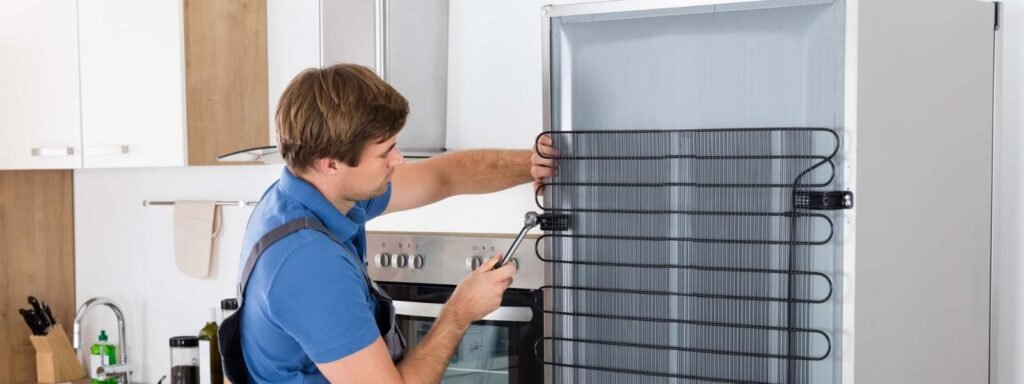
Fridge Door Not Closing Properly? When Door Seal Replacement Is Needed
A fridge door that needs an extra push every time you close it can seem like a minor inconvenience. You may notice a small gap near one corner, moisture around the frame, or a door that slowly swings open after you walk away. Over time, the appliance may also run longer while struggling to maintain consistent cooling.
The rubber seal around the door, commonly called a gasket, helps keep warm air outside and cooled air inside. However, a damaged gasket is only one reason a refrigerator door may not close properly. Shelf obstructions, hinge problems, and incorrect positioning can create similar symptoms.
Before ordering a replacement seal, arranging fridge repair in Dubai can help establish whether the problem involves the gasket, door alignment, or installation. A few careful observations will make that assessment easier.
How to Recognise a Fridge Door Sealing Problem
A sealing problem is not always obvious from the front. The door may look closed while a section of the gasket fails to contact the cabinet evenly. In other cases, the door visibly stops before reaching its normal position.
Possible signs include:
- A visible gap along part of the door.
- Moisture repeatedly collecting near the frame.
- Frost developing around the opening.
- A torn, loose, or distorted gasket.
- The door reopening after gentle closure.
- Longer running periods accompanied by another closure symptom.
None of these signs confirms the cause on its own. Moisture and long running times can also result from other conditions, so the door’s physical operation should be checked alongside cooling performance.
Check for Food Containers and Shelf Obstructions First
Before assuming the seal has failed, inspect how the contents are arranged. A large container can prevent the door from reaching the cabinet, even when the obstruction is difficult to see from outside. Drawers that are not pushed fully into place, shelves fitted incorrectly, and bottles projecting from door compartments can all interfere with closure. Packaging caught between the gasket and frame can create a smaller gap.
Reposition the contents and close the door normally. Avoid using extra force to compress an overloaded shelf or push a container backward. If the door closes correctly after rearrangement, the gasket may be serviceable. Continue checking that the load allows normal closure, particularly after a large grocery shop.
A Dirty Gasket May Not Sit Correctly
Food residue and sticky spills can build up along the gasket and the surface it contacts. Debris trapped in the folds may interfere with an even fit or make sections stick when the door opens. Clean accessible sealing surfaces using the method recommended in the appliance manual. A soft cloth and an approved mild cleaning solution may be suitable, depending on the manufacturer’s instructions.
Dry the area afterward and inspect it without pulling the gasket away from its mounting. Avoid abrasive tools, solvents, or aggressive scrubbing. Cleaning can resolve surface contamination, but it will not repair splits, missing sections, or permanent distortion. If the seal remains uneven, further inspection is worthwhile.
When the Gasket Itself May Need Replacement
A visibly torn or deteriorated gasket may no longer form an effective seal. Sections can become damaged through wear, trapped objects, unsuitable cleaning, or repeated pulling. Look for splits, separated corners, damaged mounting areas, or a portion that remains displaced after the door is closed. Take photographs of obvious defects without dismantling the door.
Professional fridge door gasket replacement should use a seal compatible with the exact appliance model. Similar-looking gaskets can differ in their dimensions, profile, corner shape, and attachment method. Do not buy solely by the fridge’s approximate size or brand. The model number is important, and some door assemblies require a different repair approach from a simple gasket change.
Door Alignment Can Make a Good Seal Look Faulty
A door that has dropped or shifted may not meet the cabinet evenly. The gasket may appear compressed on one side while leaving a gap elsewhere. You might notice that the door sits lower than before, rubs against another surface, or closes only when lifted. Hinge wear, loose fittings, or damaged door hardware may be involved.
Replacing the gasket without correcting alignment can leave the original problem unresolved. The technician should assess how the door moves and how its sealing surfaces meet. Do not keep lifting the door by its handle or slamming it to obtain closure. These habits can place additional strain on the handle, hinges, and surrounding assembly.
Appliance Position and Installation Also Matter
Refrigerator positioning can affect door movement. If the appliance is unstable or installed incorrectly, its doors may behave differently from the manufacturer’s intended design. Check the installation guidance for your model. Do not assume every fridge should tilt backward or that all doors should close automatically from any opening angle.
Built-in refrigerators require particular attention to cabinetry and furniture-panel alignment. An external panel or adjacent cabinet can interfere with closure even when the appliance door itself is undamaged. If the problem began after relocation, flooring work, or kitchen alterations, tell the technician. Checking installation may be more useful than immediately replacing the seal.
What Can a Paper Test Tell You?
A paper test is sometimes used as a rough way to compare gasket contact. If permitted by the manufacturer, a thin sheet placed between the gasket and cabinet may offer some indication of how firmly that area closes. However, it is not a definitive diagnosis. Resistance can vary with the paper, door position, gasket design, and location tested.
Do not use a bank card, thick object, or anything that could distort the seal. Avoid interpreting one easy pull as proof that the gasket needs replacement. A technician should assess the complete sealing surface, visible condition, alignment, and installation. A simple home observation can support that assessment but should not replace it.
Why a Small Door Gap Deserves Attention
A gap allows air exchange between the compartment and the room. This can increase the cooling demand and introduce moisture, potentially contributing to condensation or frost. The extent depends on the size and location of the gap, room conditions, and appliance design. A door-seal fault does not automatically explain every temperature problem or increase in electricity use.
If the fridge is warmer than usual as well as difficult to close, report both symptoms. An appliance thermometer can provide useful temperature observations without relying only on touch. A fridge inspection for door seal and cooling problems can determine whether the closure issue is the main cause or whether another fault also requires attention.
Avoid Heating, Gluing or Forcing the Seal
Online advice sometimes suggests reshaping a gasket with a hairdryer or attaching loose sections with household adhesive. These methods can damage the seal, nearby plastic, or the door’s mounting surfaces if unsuitable for the model. Do not cut, stretch, glue, or heat the gasket without a manufacturer-approved procedure. Temporary fixes may also make later replacement more difficult.
Tape around the outside does not restore normal door operation and should not become a routine way to keep the fridge closed. Until the issue is assessed, reduce unnecessary opening and avoid overloading the door shelves. If reliable cooling cannot be maintained, arrange appropriate alternative storage for temperature-sensitive contents.
What to Ask Before Approving Door Seal Repair
A useful assessment should explain whether the gasket is damaged, incorrectly seated, or being affected by another problem. Ask the technician:
- Is the seal faulty, or is the door misaligned?
- Does the hinge or mounting arrangement need attention?
- Which replacement gasket matches the model?
- Is the surrounding door liner in suitable condition?
- What parts and labour are included?
- How will closure be checked after the work?
After replacement or adjustment, the door should close normally without unusual pressure. The technician should check contact around the perimeter and explain any model-specific settling or follow-up instructions.
Restore Proper Closure Before the Problem Becomes Routine
A fridge door should not need repeated lifting, slamming, or extra pressure to stay closed. Start by checking the contents and cleaning accessible sealing surfaces, then note any visible damage or uneven alignment.
If the gap remains, book professional fridge repair services in Dubai. Confirming whether the cause is the gasket, hinges, or installation helps ensure the repair restores normal closure and supports consistent cooling.