
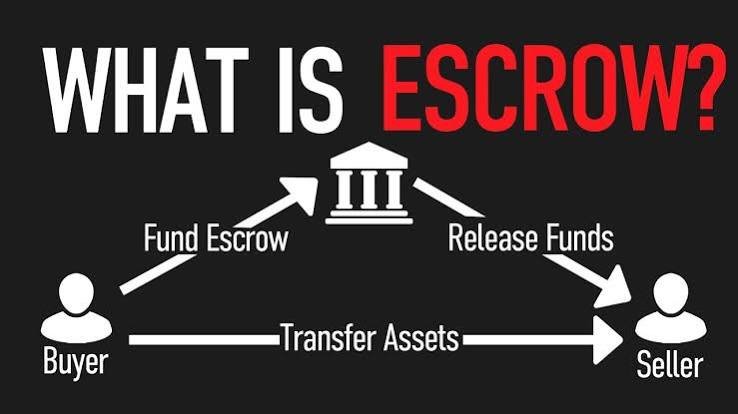
Real Estate, Business Deals and Online Sales: Escrow in Action
Picture Maria, who has found the perfect house at the edge of a quiet town. She wants an inspection before she commits, and the seller wants proof that she can actually pay. Neither wants to move first. Neither wants to be the one left holding the risk. This standoff is as old as trade itself, and one of the most elegant ways out of it is an escrow account.
Think of it as a pause button for a transaction. An escrow account is a temporary deposit held by a third party, known as the escrow agent, on behalf of two other parties. It stays open only until the deal is complete and every condition between the sides is settled. The money, securities or other assets leave the account when the agreed legal obligations are fulfilled or when the agent receives instructions to release them.
Who Holds the Money?
What sets this account apart from a regular deposit is its purpose. A normal account lives as long as its owner wants it to. An escrow account is opened for one specific transaction and closes when that transaction ends. It is also managed by someone who is not a party to the deal, which is rare among deposit accounts and is exactly what creates trust.
Back to Maria: her deposit sits with the agent while she inspects the property and completes due diligence. The seller can relax, knowing the funds exist and the buyer is serious. Maria can relax too, because her money reaches the seller only if she is satisfied with the house and ready to buy. Nobody wastes time, and nobody gambles with savings.
More Than Houses
Real estate is the classic stage for escrow, but the story continues long after the purchase. Lenders often require borrowers to make regular deposits into an escrow account, and those funds are used to pay property taxes and insurance, so nothing is missed. Buyers of properties still under construction can also reserve their future home by placing funds in escrow, making sure they are first in line when the building is finished.
Businesses use escrow too, increasingly so, and in many deals it replaces the letter of credit. The escrow service receives the buyer’s payment and tells the seller that the money is secured. The seller ships the goods. The buyer checks their quality and, once satisfied, confirms that the funds may be released to the seller’s account. Simple, logical and fair to both sides.
Even stock plans use the idea. Public companies sometimes give shares to employees, especially top executives, but place them in escrow. Staff are shareholders on paper, yet cannot sell until the escrow period ends, which helps protect the share price and discourages key people from leaving.
Where Escrow Gets Tricky
Like every tool, escrow has a downside. In business transactions, both sides must choose a trustworthy escrow agent, because the assets sit in someone else’s hands until the right moment. In property deals, borrowers often feel the pinch: money tied up in regular deposits cannot be invested, and people with a fluctuating income may find equal monthly payments difficult. Meanwhile, escrow agents typically do invest the funds in short-term instruments, earning returns on top of their service fees.
Finding the Right Setup
Choosing the right bank and account type is the step that makes everything else smoother. Confidus Solutions has many years of experience servicing private and corporate clients, and its team of lawyers and bank agents can help you choose both the bank and the account that suit your transaction.