
Embroidery Digitizing Prices Explained: Get Professional Results for Less
Introduction
Getting a logo ready for embroidery shouldn’t cost a fortune, but finding the right balance between price and quality can feel confusing. Some digitizing companies charge surprisingly low prices, while others ask much more for similar designs. So, what should you actually pay? Understanding Affordable Embroidery Digitizing Rates helps you make smarter decisions without sacrificing stitch quality. Whether you run an embroidery shop, manage a clothing brand, or need a custom logo for uniforms, knowing how digitizing prices work can save you money. This guide explains common pricing methods, factors that influence costs, and practical ways to get professional embroidery files within your budget.
What Is Embroidery Digitizing?
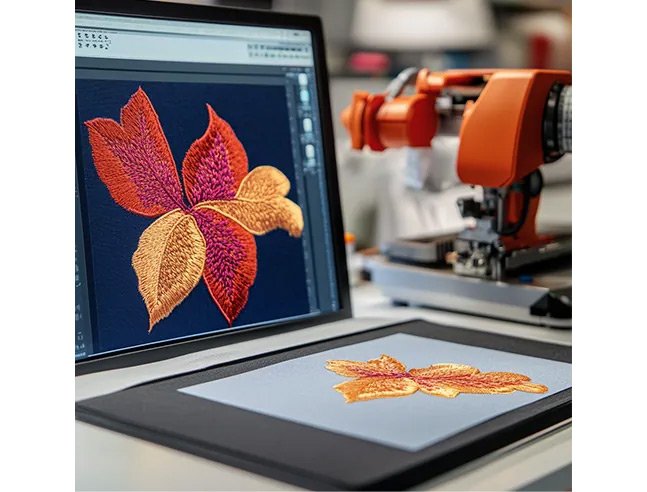
Embroidery digitizing converts artwork, logos, or images into stitch instructions that embroidery machines can understand.
Unlike ordinary image conversion, digitizing requires careful planning. A digitizer must determine stitch types, directions, density, underlay, and the correct stitching sequence.
For example, a simple company logo might need satin stitches for lettering and fill stitches for larger areas. A detailed design may require additional adjustments to maintain its appearance on fabric.
Professional digitizers also consider the material being embroidered. A design intended for a cotton shirt may need different settings than one created for a cap or thick jacket.
These technical details explain why embroidery digitizing prices vary between projects.
How Much Does Embroidery Digitizing Cost?
Embroidery digitizing costs depend on design complexity, size, stitch requirements, and the service provider.
Some companies offer flat-rate pricing, while others calculate charges according to stitch count or estimated working time.
Here are illustrative price ranges for common digitizing projects:
| Design Type | Estimated Digitizing Cost |
|---|---|
| Simple text or basic logo | $10–$20 |
| Standard business logo | $15–$35 |
| Detailed custom logo | $30–$60 |
| Complex artwork | $50–$100+ |
| 3D puff embroidery design | $20–$50+ |
These figures are general examples, not verified market averages or guaranteed quotes. Actual prices can fall outside these ranges.
A basic logo with limited colors and simple shapes generally costs less than detailed artwork containing small lettering, shading, or complicated stitch patterns.
Remember that digitizing charges usually cover file preparation, not the physical embroidery process.
Factors That Affect Embroidery Digitizing Prices
Understanding what influences pricing makes it easier to compare different services.
1. Design Complexity
Design complexity plays a major role in determining digitizing costs.
A simple logo containing basic text and shapes requires less work than an illustration with multiple layers, fine details, and intricate patterns.
Complex artwork often needs manual adjustments to produce clean stitching.
The more time and technical skill a design requires, the higher its digitizing cost may become.
2. Design Size and Stitch Count
Larger embroidery designs often contain more stitches, although size alone doesn’t determine the final stitch count.
Some providers calculate their prices using stitch-count brackets.
For example, a small left-chest logo may require fewer stitches than a large jacket-back design.
However, a small design containing tiny lettering and complicated details can sometimes require more digitizing effort than a larger, simpler design.
3. Type of Embroidery
Different embroidery techniques require different digitizing methods.
Standard flat embroidery usually involves familiar satin, running, and fill stitches.
Specialized techniques, such as 3D puff embroidery, require additional planning.
Digitizers must account for foam coverage, stitch direction, and suitable column widths.
These extra requirements can increase the overall cost.
4. Turnaround Time
Most digitizing companies offer standard delivery times, but urgent orders may cost extra.
Rush services require providers to prioritize your project over other scheduled work.
If you regularly need embroidery files, planning orders ahead can help reduce unnecessary rush charges.
5. Artwork Quality
Clear artwork makes the digitizing process easier.
A high-resolution logo with well-defined shapes provides a better starting point than a blurry screenshot.
Poor-quality artwork may require cleanup or manual reconstruction before digitizing begins.
Some companies charge additional fees for this work, so providing clean source files can help control costs.
Flat-Rate vs Stitch-Count Pricing
Embroidery digitizing companies generally use different pricing structures.
Flat-Rate Pricing
Flat-rate pricing means you pay a fixed amount for a design based on its complexity or category.
This approach makes budgeting easier because you know the expected cost before production begins.
Flat-rate pricing often works well for standard logos and straightforward embroidery projects.
However, some providers charge extra for unusually detailed artwork or major design changes.
Stitch-Count Pricing
Stitch-count pricing calculates charges according to the number of stitches in the finished embroidery design.
This method can work well for estimating production-related costs, but stitch count doesn’t always reflect digitizing difficulty.
For instance, a small logo containing complicated lettering may require considerable manual work despite having relatively few stitches.
Which Pricing Method Is Better?
Neither method automatically guarantees better value.
Flat-rate pricing provides predictability, while stitch-count pricing can offer a measurable way to estimate charges.
The best choice depends on your project and what the quoted price includes.
Always ask whether revisions, file formats, and technical adjustments are included.
Cheap vs Affordable Embroidery Digitizing
Cheap and affordable embroidery digitizing aren’t necessarily the same thing.
A cheap service focuses mainly on offering the lowest possible price.
An affordable service aims to deliver dependable quality at a reasonable cost.
Extremely low prices may sometimes come with limited revisions, poor communication, or inadequate stitch optimization.
For example, an improperly digitized logo may cause thread breaks, fabric puckering, or uneven lettering.
These problems can waste thread, fabric, machine time, and production resources.
Paying slightly more for a properly prepared embroidery file may reduce overall production costs.
Instead of choosing a provider based only on price, consider its experience, sample work, customer support, and revision policy.
How to Save Money on Embroidery Digitizing
You don’t need to sacrifice quality to reduce digitizing expenses.
A few practical decisions can make a noticeable difference.
Provide Clear Artwork
Submit high-quality logos or vector files whenever possible.
Clean artwork helps digitizers understand the design and reduces the need for additional corrections.
Keep Designs Simple
Avoid unnecessary details that won’t remain visible after embroidery.
Simplifying tiny elements, complicated shading, and excessive color changes can make a design easier to digitize and embroider.
Order Multiple Designs Together
If you manage an embroidery business, ask whether the provider offers bulk pricing.
Some digitizing companies provide discounts for regular customers or larger orders.
Avoid Unnecessary Rush Orders
Plan your projects whenever possible.
Standard turnaround services may cost less than urgent delivery options.
Choose a Provider That Offers Revisions
Revisions can be valuable when you need minor stitch adjustments.
Before placing an order, check whether the service includes free revisions and what changes qualify.
Why Professional Embroidery Digitizing Matters
Professional embroidery digitizing does more than create a machine-readable file.
It helps improve the overall appearance and consistency of embroidered designs.
Experienced digitizers understand how stitch density, underlay, pull compensation, and stitch direction affect fabric.
They also consider how embroidery behaves on different materials.
For example, a design prepared for a structured cap may require different settings than one intended for a lightweight polo shirt.
Proper digitizing can reduce common production problems, including gaps, puckering, and unnecessary thread breaks.
This attention to detail makes professional digitizing valuable for businesses that depend on consistent embroidery quality.
Choosing an Affordable Embroidery Digitizing Service
Finding a reliable provider requires more than comparing price lists.
Look for a company that explains its services clearly and understands different embroidery applications.
A dependable provider should offer suitable machine formats, such as DST, PES, EXP, and JEF.
It should also communicate delivery expectations and explain its revision policy.
Reviewing sample embroidery work can help you evaluate stitch quality and attention to detail.
If you’re placing a large order, consider testing the provider with a smaller project first.
This allows you to assess communication, file quality, and overall reliability before making a bigger commitment.
Frequently Asked Questions
What is the average cost of embroidery digitizing?
Prices vary widely. Simple logos may cost around $10–$20, while complex designs can cost $50 or more. These are illustrative ranges rather than a verified industry average.
Why is embroidery digitizing expensive?
Digitizing requires technical knowledge, manual stitch planning, and adjustments for different fabrics and embroidery machines. Complex artwork takes additional time and effort.
Can I get embroidery digitizing for free?
Some software offers automatic digitizing features, but results may require manual corrections. Professional digitizing services generally charge for their work.
Does stitch count affect digitizing prices?
Yes, some providers use stitch count when calculating prices. However, design complexity, lettering, and technical requirements also influence costs.
Is affordable embroidery digitizing reliable?
Affordable services can deliver excellent results when experienced digitizers use proper techniques and provide dependable customer support.
Conclusion
Understanding embroidery digitizing prices helps you avoid unnecessary expenses while maintaining professional stitching quality.
Design complexity, stitch count, artwork quality, embroidery type, and delivery requirements all influence the final cost.
Although choosing the cheapest service may seem attractive, poor digitizing can create expensive production problems.
Instead, focus on finding a provider that offers reasonable pricing, accurate stitch preparation, clear communication, and reliable revisions.
Whether you’re preparing a simple business logo or detailed custom artwork, investing in quality digitizing can save time and improve embroidery results.
With the right approach, you can keep your digitizing costs manageable while producing attractive, consistent, and professional embroidery designs.