
What Questions Should You Ask a Hair Replacement Specialist Before Fitting?
Choosing a hair replacement system is an important decision, particularly for men experiencing hair loss for the first time. Although different systems may look similar in photographs, their materials, fitting methods, maintenance requirements and overall suitability can vary. Making a decision without understanding these differences may lead to discomfort, unexpected costs or a result that does not match personal expectations.
A consultation with a hair replacement specialist provides an opportunity to understand the available options before committing to a system. However, simply attending an appointment is not always enough. Asking the right questions can help clients understand the process, compare recommendations and avoid common mistakes.
From hairline design to maintenance and long-term costs, there are several important subjects worth discussing before fitting begins.
1. Which Hair Replacement System Is Suitable for My Hair Loss?
One of the first questions to ask is which type of hair replacement system is most suitable for your particular hair loss pattern.
Hair loss varies from person to person. Some men experience thinning around the crown, while others have receding temples or extensive hair loss across the top of the scalp. These differences can influence the type and size of system required.
A specialist should assess the existing hair, coverage area and desired appearance before making a recommendation. They should also explain why a particular system may be more appropriate than other available options.
Avoid choosing a system simply because it looks good on someone else. The right option should suit your individual requirements rather than follow a general recommendation.
2. What Materials Are Used in the Hair System?
Understanding the materials used in a hair replacement system is important before fitting. Different base materials offer different characteristics in terms of appearance, comfort, durability and maintenance.
Ask the specialist what material the base is made from and how it may affect everyday wear. You can also ask about the type of hair used, its quality and how it should be maintained.
Some clients prioritise a discreet appearance, while others place greater importance on durability or ease of handling. Knowing the differences can help you understand which features matter most for your needs.
A professional should explain the available choices in straightforward language rather than recommending a system without discussing its characteristics.
3. Will the Hairline Look Natural?
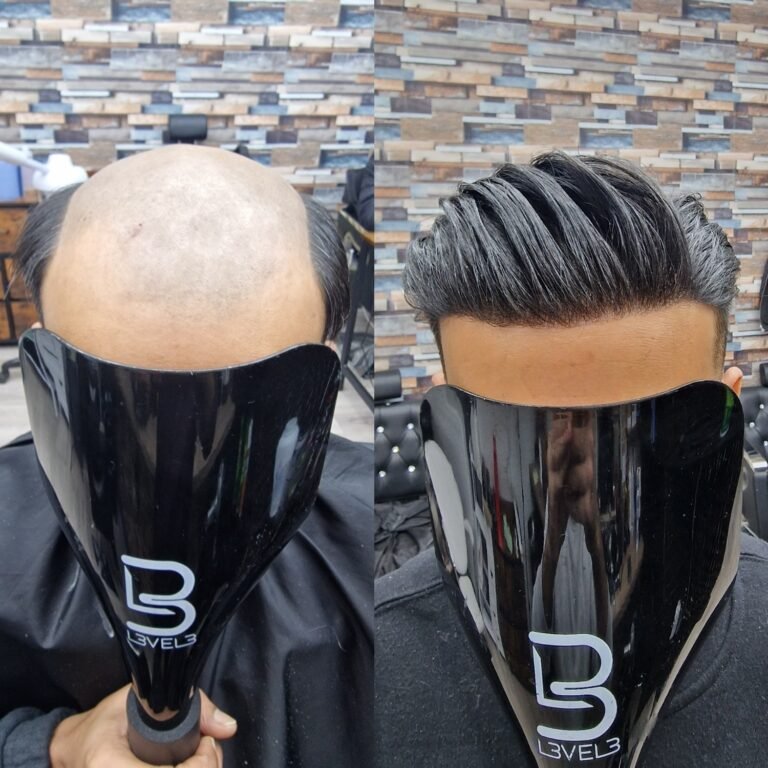
The hairline is one of the most noticeable parts of a hair replacement system. Incorrect positioning or an unsuitable design can make the replacement hair appear artificial.
Ask how the specialist determines the appropriate hairline position and whether it will be customised according to your facial structure. You may also want to discuss the shape, density and temple design.
A natural-looking hairline should complement your forehead, age and overall appearance. It should also work with the hairstyle you intend to wear.
If you prefer to brush your hair backwards or expose your forehead, explain this before fitting. Your styling preferences can influence the type of system and hairline design recommended.
4. How Will You Match the Hair Colour and Texture?
Colour and texture matching can make a significant difference to the finished appearance. A system that is noticeably darker, lighter, straighter or curlier than the surrounding hair may create an inconsistent look.
Ask how the specialist checks colour and texture before selecting a system. You can also discuss natural greying, highlights and any variations in your existing hair colour.
Lighting can affect how hair colours appear, so matching should not rely entirely on photographs or online descriptions.
It is also useful to discuss how the replacement hair will look after washing and styling. The aim is to achieve a consistent appearance that works with your natural hair.
5. What Hair Density Would Suit Me Best?
Hair density refers to how full or thick the replacement hair appears. Choosing an unsuitable density can affect how natural the system looks.
Some men want a fuller hairstyle, while others prefer a subtle result that resembles their previous appearance. However, selecting the highest density is not always the best decision.
Ask the specialist what density they recommend and why. They should consider your age, facial features, existing hair and preferred hairstyle.
A balanced density can help the replacement hair blend with the sides and back. It can also prevent the top from looking noticeably different from the surrounding hair.
6. How Will You Measure My Scalp and Coverage Area?
Accurate measurements are essential for a comfortable and appropriate fit. A system that is too large or too small may create difficulties with positioning, coverage and attachment.
Ask how the specialist measures the scalp and determines the required base dimensions. You can also ask whether the shape of your head and the condition of your existing hair will influence the measurements.
The specialist should assess the entire area requiring coverage rather than focusing only on the front hairline.
Understanding this process can help you feel more confident that the system is being selected and prepared according to your individual needs.
7. Which Attachment Method Will You Use?
Hair replacement systems can be secured using different attachment methods. The appropriate option depends on the system, scalp condition, lifestyle and personal preferences.
Ask which attachment method the specialist recommends and why it is suitable for you. It is also important to understand how the system will be removed and reapplied during maintenance.
If you exercise regularly, sweat heavily or have sensitive skin, mention these factors during the discussion. They may influence the choice of attachment products and maintenance routine.
You should also ask whether any preparation is required before fitting and what precautions are necessary afterwards.
8. Will the System Feel Comfortable on My Scalp?
Appearance is important, but comfort should receive equal attention. A hair replacement system needs to feel secure without causing unnecessary pressure or irritation.
Ask how the specialist considers scalp sensitivity when selecting the base material and attachment products. If you have previously experienced irritation from adhesives or hair products, explain this clearly.
You can also ask how the system should feel during the first few days and which signs of discomfort should not be ignored.
Some adjustment to wearing a new system may be expected, but persistent pain, redness or irritation should not be treated as normal. If skin problems develop, professional assessment and, where appropriate, medical advice may be necessary.
9. How Long Does the Fitting Appointment Take?
Understanding the fitting process can help you plan your appointment and prepare for the experience.
Ask how long the initial fitting normally takes and what stages are included. The process may involve scalp preparation, positioning, attachment, haircutting and final styling.
You should also ask whether the system will be customised before the appointment or adjusted during fitting.
A specialist should explain the process clearly so you know what to expect. Rushing through important stages may affect the quality of the final result, so it is worth understanding how much time is allocated for fitting and finishing.
10. How Often Will the System Need Maintenance?
Hair replacement systems require regular attention to maintain their appearance and condition. Maintenance needs vary according to the system material, attachment method, scalp condition and lifestyle.
Ask how frequently you should return for professional maintenance. You should also understand what happens during these appointments, including cleaning, removal, reattachment and styling where required.
Some clients may need more frequent attention than others. Therefore, it is better to receive guidance based on your individual circumstances rather than assume that every wearer follows the same schedule.
Understanding maintenance requirements before fitting can help you decide whether the system suits your routine.
11. What Products Should I Use at Home?
The products used for washing, conditioning and styling can affect the appearance and condition of a hair replacement system.
Ask which shampoos, conditioners and styling products are suitable for your particular system. You should also find out whether any ingredients or product types should be avoided.
The specialist can explain how to brush the hair, wash it safely and reduce tangling. It is also useful to ask how the system should be dried and whether heat styling is appropriate.
Following suitable care instructions can help prevent avoidable damage and keep the hair looking presentable between professional appointments.
12. How Long Can I Expect the System to Last?
The lifespan of a hair replacement system depends on several factors. Material quality, construction, maintenance, attachment methods and everyday handling can all influence how long it remains suitable for use.
Ask the specialist what lifespan may be realistic for the recommended system. You should also discuss the signs that indicate when it needs repair or replacement.
Be cautious of guarantees that do not explain the conditions involved. No system should be expected to last for exactly the same period under every set of circumstances.
A clear discussion can help you understand the likely ongoing commitment and plan future expenses.
13. What Is Included in the Overall Cost?
The initial price is only one part of the financial commitment. Clients should understand whether the quoted amount includes the system, customisation, fitting and initial styling.
Ask whether maintenance appointments, cleaning products and future adjustments are charged separately. You should also discuss the potential cost of replacing the system.
This information makes it easier to compare different services and understand the overall value being offered.
A lower initial price does not necessarily mean lower long-term costs. It is important to consider the quality of the service, the suitability of the system and the support available after fitting.
14. Can I See Examples of Your Previous Work?
Looking at examples of previous hair replacement work can help clients understand the specialist’s approach to fitting and customisation.
Ask whether the specialist can show photographs of completed systems, particularly examples involving hair loss patterns or hairstyles similar to yours.
Pay attention to the hairline, colour matching, density and blending with existing hair. These details can provide a better understanding of the results the service aims to achieve.
You can also ask about the specialist’s experience with different types of systems. Clear information about previous work may help you feel more confident when evaluating the service.
15. What Support Is Available After Fitting?
The relationship with a hair replacement specialist should not end when the system is attached. New wearers may have questions about cleaning, styling, comfort and everyday care after leaving the appointment.
Ask what aftercare support is available and how you can arrange help if a problem develops. It is also useful to understand the process for booking adjustments or maintenance appointments.
Find out what to do if the edges begin lifting, the system becomes uncomfortable or the hair needs professional attention.
Good aftercare guidance helps clients manage their systems more confidently and address problems before they become more difficult to resolve.
Why Choosing the Right Specialist Matters
Asking questions is useful, but the quality of the specialist’s advice is equally important. A suitable professional should take time to understand your needs rather than immediately recommend a particular system.
They should explain the available options, discuss realistic results and answer questions about fitting and maintenance. Their recommendations should reflect your scalp condition, hair loss pattern and personal preferences.
A personalised approach can reduce the risk of choosing an unsuitable system. It also helps establish realistic expectations about appearance, comfort and ongoing care.
Men considering professional non-surgical hair replacement can explore https://www.londonhairreplacement.co.uk/ to learn more about available services and consultation options.
For additional information about men’s hair replacement, visit https://www.londonhairreplacement.co.uk/hair-replacement-for-men-london/.
Final Thoughts
A hair replacement consultation is an opportunity to understand the system, the fitting process and the responsibilities involved in wearing it. Asking the right questions can help prevent common mistakes related to hairline design, colour matching, base materials, comfort and maintenance.
Before making a decision, take time to discuss your expectations, lifestyle and budget with the specialist. Make sure you understand what is included in the service and what support will be available after fitting.
A suitable hair replacement system should meet your individual requirements rather than simply look attractive in a photograph. Clear communication and professional guidance can make the selection process more straightforward and help you move towards a natural-looking and comfortable result.