
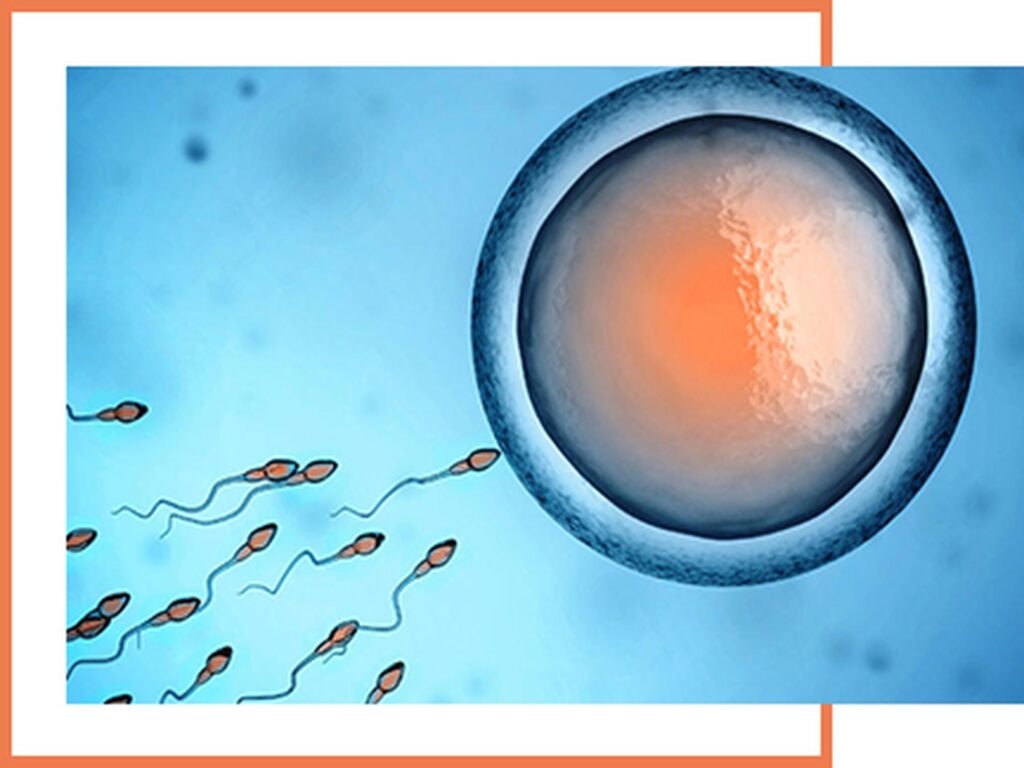
What Happens When You Decide to Use Your Frozen Eggs?
You froze your eggs years ago, and now the day has come. Maybe you’ve met the right partner, or maybe you’re ready to go ahead on your own. Either way, you’re probably wondering what happens next. This guide answers the questions women ask most before using their frozen eggs, including what to expect from IVF cost in Delhi.
Can Frozen Eggs Be Used Straight Away?
No. Frozen eggs can’t be used for natural conception or IUI. They must go through in vitro fertilisation (IVF), usually with ICSI (intracytoplasmic sperm injection). Your eggs are warmed, fertilised in the lab, grown into embryos, and then transferred to your uterus.
Your clinic will also review your current health first. Expect blood tests, an ultrasound, and an infection screen. Your partner or sperm donor will need a semen analysis.
What Are the Steps to Use Frozen Eggs?
- Consultation and fertility check-up. Your doctor reviews your age at freezing, the number of eggs stored, and your current uterine health.
- Endometrial preparation. Unlike a fresh IVF cycle, you don’t need ovarian stimulation injections now. Your eggs are already collected. You take oestrogen (and later progesterone) to prepare the uterine lining.
- Warming (thawing). The embryology team warms your eggs using a precise protocol.
- ICSI fertilisation. A single sperm is injected into each surviving egg. This is standard for frozen eggs, because freezing can harden the egg’s outer shell.
- Embryo culture. Embryos grow for 3 to 6 days. Many clinics aim for the blastocyst stage (day 5 or 6).
- Embryo transfer. The best-quality embryo is placed in the uterus, which is a quick, mostly painless procedure.
- Pregnancy test. A blood test about 10 to 14 days later confirms the result.
How Many Frozen Eggs Survive Thawing?
Modern vitrification (flash-freezing) works well. Studies and clinic data generally report survival rates of roughly 90 to 95% per egg in experienced labs. Not every surviving egg will fertilise, and not every embryo will develop. That’s why the number of eggs you froze matters.
A general pattern from published fertility research:
- Many eggs are needed to create one healthy embryo.
- A common guide is that 10 to 15 eggs frozen before age 35 gives a reasonable chance of at least one live birth.
- Fewer eggs, or eggs frozen at an older age, lower those odds.
What Are the Success Rates With Frozen Eggs?
This is the most important question, and honesty matters here. The age at which you froze your eggs, not your age today, is the biggest predictor of success.
- Eggs frozen before 35 generally give better outcomes.
- Success per thawed egg is modest. Some studies estimate a live-birth chance of about 4 to 12% per thawed egg, depending on age and lab quality.
- Per transfer, the chance can be much higher when a healthy embryo is available.
No clinic can guarantee a baby. Be wary of any centre quoting very high, unexplained success rates. Ask for age-wise, per-transfer data instead.
What Is the IVF Cost in Delhi for Using Frozen Eggs?
Cost depends on the clinic, the lab technology, and your medical needs. As a rough guide, many Delhi clinics charge in the following ranges. Treat these as estimates and confirm current prices directly:
| Component | Approximate range (INR) |
| Consultation and baseline tests | ₹3,000 to ₹10,000 |
| Egg warming and ICSI | ₹40,000 to ₹80,000 |
| Embryo culture and transfer | ₹30,000 to ₹60,000 |
| Hormonal medicines | ₹15,000 to ₹40,000 |
| Overall estimate | ₹90,000 to ₹2,00,000+ |
So the realistic IVF cost in Delhi for a frozen-egg cycle often falls between ₹1 lakh and ₹2 lakh. Extras can raise it:
- Blastocyst culture or embryo freezing
- Genetic testing (PGT-A)
- Donor sperm
- Repeat cycles
Is It Cheaper Than a Fresh IVF Cycle?
Often, yes. You skip stimulation drugs and egg retrieval, which are the costliest parts of fresh IVF. The egg freezing cost in Delhi was paid earlier, so this stage is typically lighter on the wallet. Annual storage fees, usually a few thousand to ₹20,000 per year, may still apply until your eggs are used.
What Should a Clinic’s Quote Include?
Ask for an itemised estimate. Check whether it covers:
- Medicines and monitoring scans
- ICSI and lab charges
- Number of embryo transfers
- Freezing of extra embryos
- Anaesthesia or procedure fees, if any
Is Using Frozen Eggs Safe? What Are the Risks?
Generally, yes. Babies born from frozen eggs show no higher rate of birth defects compared with those from fresh eggs, according to current evidence. Risks are mostly related to the process itself:
- Eggs may not survive thawing or fertilise
- Embryo transfer may not lead to pregnancy
- Possible emotional stress and mood changes from hormones
- Multiple pregnancy if more than one embryo is transferred, which is why single embryo transfer is often advised
How Long Can Frozen Eggs Be Stored in India?
Eggs frozen by vitrification can remain viable for many years. In India, the ART (Regulation) Act, 2021 governs fertility services and sets limits on gamete storage, which is up to 10 years under the current framework. Rules can change, so confirm with your clinic. Use only an ART-registered centre, which is a key sign of trustworthiness.
How Do I Choose the Right Clinic in Delhi?
Look for a team with real experience in thawing and ICSI, since lab skill directly affects outcomes. Compare these points:
- Registration under the national ART registry
- Qualified reproductive endocrinologists and embryologists
- Transparent, age-wise success data
- Clear pricing with no hidden charges
- Willingness to answer questions without pressure
Reading patient reviews and visiting more than one clinic is wise. The cheapest option isn’t always the best value.
Conclusion: Your Next Steps
Using frozen eggs is an exciting moment, and preparation makes it smoother. Here’s a simple action plan:
- Book a consultation with an ART-registered fertility specialist.
- Request your egg-freezing records, including the number of eggs and the age at freezing.
- Ask for a written, itemised estimate of IVF cost in Delhi.
- Discuss single embryo transfer and whether genetic testing suits you.
- Plan emotionally and financially for more than one attempt.
Your frozen eggs gave you time. Now an informed plan and a trusted team can help you make the most of it.