
Orthopedic Physical Therapy in Towne Lake, Woodstock GA | FYZICAL
Dealing with aching joints, stiff muscles, or lingering soreness after an orthopedic injury or procedure can change how you handle your entire day. Whether your knee feels guarded when walking down stairs, your shoulder catches when reaching overhead, or your lower back tightens after sitting or standing for long stretches, limited movement quickly gets frustrating. Many people hope rest alone will clear the problem, only to notice stiffness creeping right back once regular activities resume. Working with an orthopedic physical therapist Woodstock GA residents rely on gives you a clear, guided way to calm irritation, rebuild support around sensitive joints, and move comfortably again.
How Orthopedic Care Looks at the Whole Movement Chain
Bones, joints, tendons, ligaments, and muscles do not work in isolation during real life. When one joint is stiff, painful, or recovering from surgery or strain, surrounding areas often change how they move to protect it. A hip that lacks comfortable extension can place extra stress on the lower back, while a stiff upper spine or tight shoulder blade can crowd movement in the shoulder joint.
An experienced orthopedic physical therapist Woodstock GA patients trust looks beyond the single spot that hurts to see how nearby joints and muscles share effort. By checking joint motion, muscle balance, posture, and everyday mechanics together, care targets what is actually driving strain rather than treating only surface discomfort.
What Happens During Your First Orthopedic Assessment
Starting a recovery program feels much less overwhelming when you know what happens at the first visit. Your appointment begins with a calm, unhurried conversation about your symptoms, when they started, what activities trigger discomfort, any past surgeries or imaging results, and what you want to get back to doing.
Next, your clinician evaluates range of motion, flexibility, strength, balance, and functional tasks such as squatting, stepping, reaching, or lifting. Everything is explained in plain, everyday terms so you understand why certain movements feel restricted and how your plan will address them. At FYZICAL Therapy & Balance Centers Towne Lake, care is shaped around your specific goals so you know what to expect at every stage.
Calming Guarded Tissues With Hands On Techniques
When a joint or tendon has been irritated for weeks or months, surrounding muscles naturally tense up like a protective brace. While that guarding makes sense early on, prolonged muscle tension can restrict joint glide, limit comfortable reach or stride, and make gentle exercise feel stiff at first.
Hands on manual techniques help lower that protective tension so movement feels safer and smoother. Gentle joint mobilization encourages stiff joints to move through a fuller arc, while targeted soft tissue work helps tight muscles and fascia relax. Pairing hands on treatment with active movement helps carry gains from the table into everyday tasks like standing, bending, and carrying.
Rebuilding Strength and Endurance Around Sensitive Joints
Joints rarely feel strained simply because they are fragile on their own; they often take extra stress when nearby muscles tire early or fail to coordinate smoothly. Think about your knee, hip, shoulder, ankle, or spine. When supporting muscles lack endurance or proper timing, sensitive tissues absorb more load with every step, lift, or turn.
Guided strengthening builds support gradually without overwhelming irritated structures. Gentle activation exercises often wake up underused stabilizers first, followed by progressive resistance tailored to what your body handles comfortably right now. Over time, stronger muscles act like shock absorbers, making walking, climbing stairs, lifting groceries, and exercising feel steadier and less tiring.
Supporting Recovery After Orthopedic Surgery or Injuries
Whether you are recovering from a joint replacement, arthroscopic repair, ligament or tendon strain, fracture, or a weekend sports injury, structured rehabilitation provides clear milestones along the way. Early stages often focus on calming swelling and discomfort, protecting healing tissues, and restoring gentle range of motion, while later phases build strength, balance, and confidence for higher demands.
Rehabilitation progresses at a thoughtful pace matched to healing timelines and your personal comfort. Regular check ins help track measurable gains in motion and strength so you can return to daily routines, hobbies, and exercise safely.
Everyday Habits That Protect Your Progress Between Visits
Clinic sessions lay down essential groundwork, yet daily routines between appointments often determine how smoothly recovery holds. A concise home exercise plan practiced consistently helps reinforce new mobility and strength as tissues adapt to gradual load. Focusing on clean control and steady consistency matters far more than pushing through sharp pain or rushing repetitions.
Simple daily adjustments can also reduce quiet strain around Towne Lake and Woodstock. Using your legs rather than rounding your back when lifting items, setting up comfortable work and sitting positions, taking brief movement breaks during long stretches at a desk or in the car, and prioritizing restful sleep all support healthier tissue recovery.
Smart Activity Pacing Instead of Boom and Bust
One common trap people face when recovering from musculoskeletal issues is swinging between total rest and sudden overload. On sore days, they avoid movement altogether, and then on a better day they try to catch up on yard work, errands, or workouts all at once, triggering another flare up the next morning.
Learning steady activity pacing helps break that cycle. By breaking tasks into manageable steps, mixing in light movement breaks, and paying attention to early fatigue cues, you build tolerance gradually without provoking unnecessary setbacks. When you work with an orthopedic physical therapist Woodstock GA active adults appreciate, pacing becomes clearer because your clinician helps adjust effort as your capacity grows. Having an orthopedic physical therapist Woodstock GA individuals trust guiding each phase also helps you spot subtle tension early before it slows down your progress.
Balance, Coordination, and Trust in Your Movement
Discomfort and stiffness often chip away at confidence long before physical strength is fully gone. After an injury or surgery, people frequently move stiffly or favor one side out of habit even after pain starts settling, which can affect balance and keep other muscles working overtime.
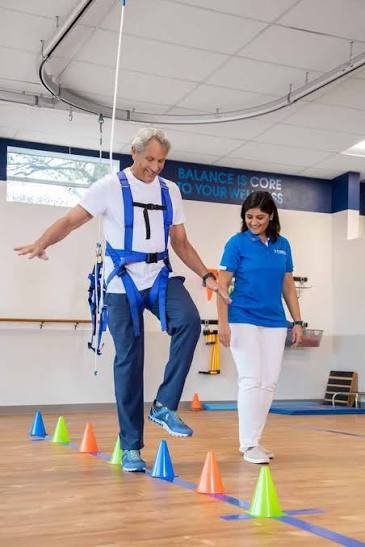
Balance and coordination training helps retrain posture, weight shifting, and smooth transitions from sitting to standing or stepping onto uneven ground. At FYZICAL Therapy & Balance Centers Towne Lake, steady movement control is woven into care so you feel confident moving around your home, neighborhood, and workplace.
Choosing Care That Fits Your Goals and Lifestyle
The most effective rehabilitation plan is one you can follow comfortably week to week. Look for clinicians who listen carefully, explain each step clearly, respect your pace, and adapt exercises when something does not feel quite right.
Choosing an orthopedic physical therapist Woodstock GA community members recommend gives you structured guidance centered on practical movement and lasting function. With supportive coaching and clear milestones, everyday progress builds toward long term independence.
Conclusion
Moving past joint stiffness, injury setbacks, or post surgical soreness does not have to feel like guessing your way through recovery alone. By combining hands on care, targeted strengthening, balance training, and smart daily habits with an orthopedic physical therapist Woodstock GA residents rely on, you can rebuild comfortable motion and confidence. With attentive support from FYZICAL Therapy & Balance Centers Towne Lake, taking steady steps forward helps you return to the activities that matter most.
The videos below demonstrate orthopedic mobility, joint strengthening, and guided movement exercises to help visualize safe form.