
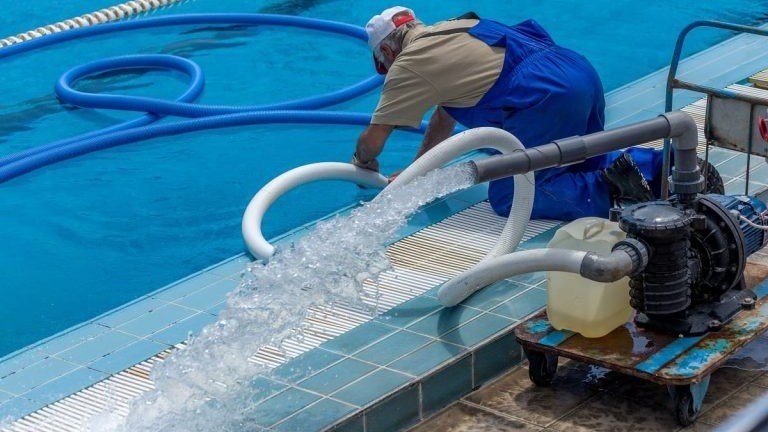
Top Pool Cleaning in Fort Worth TX Advice from Anomaly Pool Services
Owning a backyard pool brings endless fun during hot Texas summers, but keeping that water crystal clear demands routine attention. Between scorching heat waves, sudden rainstorms, and autumn debris, pool owners across North Texas face unique water care challenges throughout the year. Proper maintenance keeps your swimming area safe, protects your equipment investment, and preserves plaster surfaces. Getting expert pool cleaning Fort Worth TX advice helps you avoid common maintenance mistakes so you can spend less time skimming leaves and more time relaxing in your backyard oasis.
Why Local Weather Demands Consistent Care
North Texas weather can present serious challenges for swimming pool chemistry and filtration systems. Homeowners seeking reliable pool cleaning Fort Worth TX options often discover that local climate conditions drastically accelerate algae growth and chemical burn off. Intense summer sun depletes free chlorine levels in just a few hours, while heavy spring windstorms blow dust, pollen, and leaves straight into skimmer baskets. Regular maintenance helps protect your pool plaster from scaling and keeps your water safe for family gatherings.
Routine care prevents small mechanical issues from developing into costly equipment breakdowns. Dirt buildup inside filters forces pump motors to run hotter, increasing energy bills and shortening equipment lifespan. Local homeowners in Arlington, Keller, Benbrook, and Saginaw who maintain steady water circulation enjoy cleaner water and fewer emergency repairs throughout the year.
Essential Steps for Healthy Pool Water
Keeping water clear requires a combination of chemical monitoring, mechanical filtration, and manual cleaning routines.
Water Testing and Chemical Balance
Balancing water chemistry serves as the foundation of pool care. Technicians test pH, chlorine, total alkalinity, calcium hardness, and cyanuric acid every week. Proper pH levels keep chlorine active while preventing tile scale and skin irritation. Calcium balance protects plaster walls from etching and prevents metal corrosion inside pump heaters.
Surface Skimming and Wall Brushing
Floating leaves, insects, and garden debris quickly sink to the bottom if neglected. Skimming the surface daily removes organic matter before it decays. Brushing pool walls, steps, and tile lines removes stubborn algae spores and dirt buildup that automatic cleaners miss.
Deep Vacuuming and Floor Care
Fine dust settles along pool floors and corners over time. Manual or hydraulic vacuuming clears out fine sediment, keeping pebble and vinyl finishes looking brand new. Regular vacuuming stops organic debris from staining plaster during warm weather.
Equipment Check and Filter Maintenance
Filters capture tiny particles to keep water crystal clear. Cartridge filters require regular pressure washing, whereas sand and DE systems require routine backwashing. Inspecting pump motors, skimmer baskets, O rings, and automated valves prevents unexpected leaks and maintains optimal flow rates.
Signs Your Swimming Pool Needs Attention
Watching for early warning signs saves time and prevents expensive restoration services later on.
- Water appears dull, cloudy, or milky despite running the pump motor.
- Green, yellow, or mustard algae patches cling to steps or shady walls.
- Strong chlorine smells indicate high chloramines and improper water balance.
- Bathers experience stinging eyes or dry skin after short swim sessions.
- Return jets display weak water flow due to clogged filter grids.
- Strange grinding noises emerge from the pump housing during filtration cycles.
Catching these signs early keeps your pool inviting and safe for swimming.
Seasonal Maintenance Strategies for Texas Pools
North Texas seasons require shifting maintenance habits to match weather patterns. During scorching summer months, running pump filtration systems 8 to 10 hours daily ensures complete water turnover. Adding cyanuric acid stabilizer prevents sunlight from destroying chlorine before it sanitizes your water.
Autumn brings falling oak and leaves that clog skimmer baskets quickly. Emptying skimmer and pump baskets frequently prevents pump cavitation and motor burnout. During winter months, reducing pump runtime to 4 or 6 hours daily saves electricity while maintaining enough movement to prevent stagnation.
Working with Dependable Local Technicians
Partnering with a reliable service team takes the stress out of backyard pool ownership. Anomaly Pool Services provides reliable weekly visits, precise chemical balancing, and thorough equipment checks to ensure your backyard pool remains ready for swimming in every season.
Frequently Asked Questions
How often should pool cleaning Fort Worth TX services be scheduled? Weekly service visits are ideal for maintaining safe chemical balance, preventing algae growth, and protecting filtration equipment throughout the year.
Why does pool water turn green so fast in North Texas summers? High summer temperatures combined with intense sunlight quickly burn off free chlorine, allowing algae spores to multiply rapidly in warm water.
How many hours a day should a pool pump run? During hot summer months, run your pump 8 to 10 hours daily. In cooler winter weather, 4 to 6 hours per day is usually sufficient.
Is it safe to swim right after adding chemicals to the pool? You should wait 2 to 4 hours after adding basic balancing chemicals, and up to 24 hours after applying a heavy shock treatment.
What causes low water pressure coming from pool return jets? Low jet pressure usually signals a dirty filter that requires cleaning, a full skimmer basket, or debris lodged inside the pump impeller.
Conclusion
Proper pool care turns your backyard into a refreshing retreat while protecting your home investment. Following established pool cleaning Fort Worth TX guidelines ensures your water stays clear, safe, and welcoming all summer long. Stop wasting your weekends testing chemicals and scrubbing pool tiles. Call Now to Schedule Your Service today!