
How Does Muslim Wear Incorporate Advances in Fabric Technology?
You dress in the morning feeling fresh, but by afternoon the cloth sticks to your skin, smells stale, or has creased badly. Modest outfits use more fabric than regular clothes, so every weakness in the material shows up. Many people think this is just part of covering up. It is not. Fabric scientists have built new fibers, finishes, and weaving methods that fix these problems. Today, muslim wear dresses can stay light, fresh, and neat for a whole day when made with the right technology.
What Will You Discover About Smarter Cloth Here?
This article shows how new textile science is used in real modest clothing, piece by piece. You will see what changed in abayas, hijabs, thobes, and scarves, and why each change matters. A simple list explains the main modern fibers, and a table matches each problem to its technical fix. We also look at the cotton shemagh, a classic item that has quietly improved. By the end, you will understand what the labels mean and which features are truly useful.
How Did Labs and Looms Start Working Together?
For centuries, weavers depended on skill and natural fibers alone. In the last few decades, researchers began testing how threads react to sweat, heat, light, and washing. Their results guided new machines that spin thinner yarns and weave tighter, more even cloth. Chemists then designed gentle finishes that add special powers without changing the feel. This teamwork between craft and science is the reason modern garments perform so differently from older ones, even when they look almost the same.
Which Fibers Power the Newest Modest Outfits?
Most advanced garments are not made from one fiber. They are blends, where each fiber adds a different strength. Makers choose the mix based on what the garment must do, such as cooling the body or holding its shape. Knowing these names helps you read a label with confidence. The most common fibers in today’s muslim wear dresses are listed below:
Cotton: soft, natural, and gentle on the skin.
Viscose and modal: silky, smooth, and good at draping.
Lyocell: made from wood pulp, strong and very breathable.
Polyester blends: resist wrinkles and keep their shape.
Elastane: a small share adds stretch and comfort.
How Does Anti-Odor Treatment Keep Clothes Fresh All Day?
Odor comes from bacteria that feed on sweat trapped in the cloth. Some fabrics now carry a mild treatment that slows the growth of these bacteria. Others use fibers that naturally resist smell, such as certain plant-based threads. The garment does not become sterile, but it stays pleasant for longer between washes. This is very useful during travel, long work shifts, and busy festival days. It also means less frequent washing, which helps your clothes last longer and saves water at home.
Why Do Abayas Now Drape Better Than Before?
An abaya is long and flowing, so its fabric must fall smoothly without clinging or lifting in the wind. Older cloths were often stiff or too slippery. Modern abayas use fine crepe weaves and soft blends that hang in clean lines. Many are made with wrinkle-resistant yarns, so a bag strap or a car seat does not leave marks. Matte finishes reduce shine, while a light weight keeps the wearer cool. The result is an abaya that looks elegant and feels easy to wear.
What Makes a Modern Hijab Stay in Place Without Slipping?
A hijab touches the face and neck, so comfort is essential. New jersey and chiffon blends have a slight grip that holds pins and folds, yet they stay soft. Fibers like modal and viscose breathe well and feel cool against the skin. Some fabrics stretch a little and then return to shape, so the scarf does not sag during the day. Lightweight weaves also let air pass through. Together, these features reduce slipping, heat, and constant adjusting, which makes long days far more comfortable.
Can a Thobe Stay Crisp in Summer Heat?
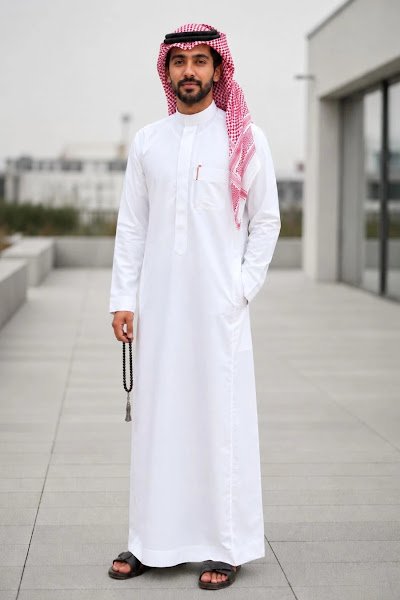
Men’s thobes are usually white or light colored, which makes sweat, wrinkles, and stains very noticeable. Newer thobe fabrics combine cotton with fine blends that dry sooner and resist creasing. Some have a slightly textured weave that keeps the cloth away from the skin, so air can move freely. Others carry a stain-guard finish that helps liquids bead up on the surface. These changes allow a thobe to look sharp after hours of sitting, walking, or praying in warm weather.
How Is the Cotton Shemagh Getting Smarter?
The cotton shemagh is a square scarf with a woven pattern, worn on the head or around the neck. Older versions could feel rough and lose color after a few washes. Today, makers use finer cotton yarn and tighter weaving, so the cloth is softer and keeps its pattern sharp. Better dyes hold the black, red, or white tones for longer. Some scarves also dry sooner and shake off dust. It is a simple item, but the upgrades are easy to feel.
Does Anti-Static Finishing Stop Cloth From Clinging?
Long garments often cling to the legs, especially in dry weather or when made from synthetic fibers. This happens because of static electricity, which builds up as cloth rubs against skin. Makers now use anti-static finishes and carefully chosen fiber blends to reduce this effect. The garment then falls straight instead of sticking and bunching. Anti-static cloth also attracts less dust and lint, so dark colors stay cleaner. It is a small improvement that makes a big difference in daily comfort, especially in winter.
What Role Does Smart Dyeing Play in Long-Lasting Color?
Color fading is a common complaint, especially with black and deep shades. Modern dyeing methods push color deeper into the fiber, so it stays bright after many washes. Some factories use techniques that need far less water, which is better for the planet. Dyes are also tested to avoid rubbing off on skin or other clothes. For buyers, this means a black abaya stays black and a white thobe stays clean. Strong color is not only about looks, but also about quality.
Are Fabrics Becoming Kinder to the Planet?
Many brands now make threads from recycled bottles, bamboo, and sustainably grown wood pulp. These fibers can feel silky and soft while using fewer fresh resources. Closed-loop factories reuse water and chemicals instead of throwing them away. For people who care about responsible living, this fits well with the values behind modest dress. Still, always check for clear numbers, such as the exact percentage of recycled content. Honest labels and trusted certificates are the best signs that a green claim is real.
Can Technology Protect Skin From Sun and Irritation?
Some modern fabrics are made to block a large share of ultraviolet rays. Tight weaves, deep dyes, and special treatments all help. A tag showing a UPF rating tells you how much protection the cloth gives. For people with sensitive skin, makers also offer smooth, low-irritation fibers and gentler finishing processes that avoid harsh residues. This is helpful for children, travelers, and anyone who spends long hours outdoors. A loose garment with sun protection works like a light shield without adding heat.
Which Technology Solves Which Everyday Problem?
Sometimes a simple chart explains more than many sentences. The table below matches common clothing problems with the modern solution used by makers. You can use it as a quick reference when you read a product page or compare two garments. Remember that no single fabric does everything, so choose the features that matter most for your climate and routine. A person in a hot city needs different features from someone who travels to cold places.
| Everyday Problem | Technology Used | Where It Helps Most |
| Sweat and heat | Moisture-wicking and cooling yarns | Thobes, abayas |
| Bad odor | Anti-odor finish | All daily wear |
| Wrinkles | Crease-resistant blends | Abayas, thobes |
| Static cling | Anti-static finish | Long skirts, hijabs |
| Fading color | Deep-bonding dyes | Black and dark pieces |
| Sun exposure | UPF-rated weave | Outdoor clothing, scarves |
| Spills | Stain-guard coating | Light-colored robes |
How Do Makers Prove That These Claims Are True?
Good brands do not rely on words alone. Their fabrics go through standard lab tests before reaching the shop. In these tests, machines rub the cloth thousands of times, wash it again and again, and measure how fast moisture spreads and dries. Other tests check how much color fades and whether the cloth keeps its shape. When a seller mentions test results or certificates, that is a good sign. If a brand offers no proof, treat the big promises with caution.
Which Care Habits Protect Advanced Fabrics?
Special finishes need gentle handling to keep working. Wash in cool or lukewarm water with a mild detergent, and avoid bleach. Skip fabric softener when the label advises it, because it can coat the fibers and block moisture movement. Dry in the shade and iron on a low setting. Treat a cotton shemagh the same way, since good dyes and fine yarn last longer with gentle washing. These small habits protect the technology you paid for and extend the life of each piece.
Where Is Fabric Technology Heading Next?
Researchers are now testing fabrics that adjust to body temperature, cooling when you are hot and warming when you are cold. Seamless knitting machines can shape a whole garment without stitches, which improves comfort. Bio-based fibers made from plants and even food waste are also being developed. These ideas are still growing, but some already appear in shops. As they become common, muslim wear dresses will likely become lighter, cleaner, and kinder to the environment, while keeping the modesty and dignity that wearers value.
Final Thoughts
Fabric technology has changed modest clothing in real, practical ways. Cooling yarns fight heat, anti-odor finishes keep clothes fresh, wrinkle-resistant blends save ironing time, and smart dyes protect color. Abayas drape better, hijabs stay in place, thobes look crisp, and a cotton shemagh feels softer and lasts longer. Read the fiber mix, check the finish, and look for honest proof. With these facts, you can choose muslim wear dresses that truly solve your daily problems.
Frequently Asked Questions
How Does a Cotton Shemagh Complement Muslim Wear Dresses?
A cotton shemagh complements Muslim wear dresses by adding a coordinated finishing touch. Its breathable material and traditional patterns make it a practical accessory for different occasions.
What Makes Cotton Shemagh a Practical Accessory for Muslim Clothing?
Cotton shemagh offers lightweight coverage and good airflow. It can be paired with different Muslim garments, making it a useful accessory for men who prefer modest clothing.
Which Cotton Shemagh Colors Coordinate Well with Muslim Wear Dresses?
White, beige, black, and red-patterned shemaghs coordinate well with many Muslim garments. Neutral shades provide versatility, while patterned options add visual contrast.
How Can Buyers Identify a Well-Made Cotton Shemagh?
Buyers can examine the cotton composition, stitching, weave, edge finishing, and color consistency. These features help assess durability, fabric performance, and overall value before purchasing.
Why Is Cotton Preferred for Traditional Muslim Clothing Accessories?
Cotton is valued for its breathability, softness, and moisture absorption. These properties make it a practical material for headwear and other accessories worn alongside Muslim clothing.