
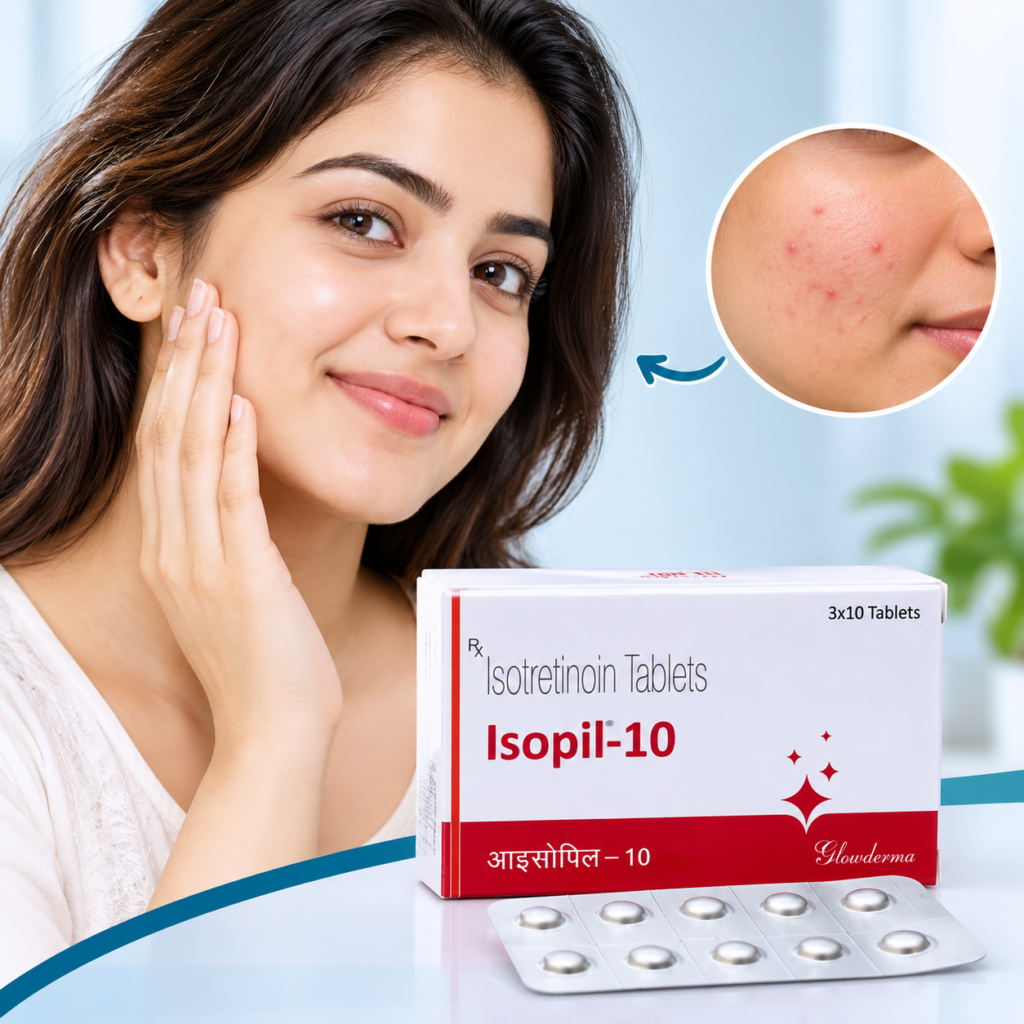
How Long Does Isopil 10 Take to Show Results for Acne?
Acne can be frustrating, especially when pimples, clogged pores, and breakouts continue despite trying different skincare products. Isopil 10 is a prescription medication used to treat certain forms of severe or persistent acne. It contains isotretinoin, a medicine that works by reducing excess oil production and helping prevent blocked pores.
One common question among people starting this treatment is: How long does Isopil 10 take to show results for acne?
Isopil 10 does not clear acne overnight. Some people begin noticing improvements after several weeks, while more significant results may take several months. The timeline depends on acne severity, individual response, treatment duration, and the prescribed dosage.
How Long Does Isopil 10 Take to Show Results?
Isopil 10 generally takes several weeks to produce noticeable improvements. Many people start seeing changes within 4–8 weeks, although the response varies from person to person.
During the initial weeks, acne may sometimes appear worse before it starts improving. This temporary flare-up does not necessarily mean the treatment is failing.
The full treatment course often lasts several months. A dermatologist determines the appropriate duration based on skin condition, response, and side effects. You can also visit dosepharmacy to get more information about Acne treatment.
How Does Isopil 10 Work for Acne?
Isopil 10 contains isotretinoin, a vitamin A derivative that targets several factors responsible for acne development.
It works differently from ordinary acne creams because it reduces oil production and helps address the underlying processes that contribute to persistent breakouts.
Here is how it helps improve acne:
-
Reduces excess oil: Decreases activity and size of sebaceous glands, helping control excess sebum.
-
Prevents clogged pores: Helps reduce the buildup of dead skin cells inside hair follicles.
-
Controls acne-causing bacteria indirectly: Reducing excess oil and blocked pores creates conditions less favorable for acne-associated bacteria.
-
Reduces inflammation: Helps improve inflamed acne lesions, including painful pimples and nodules.
-
Prevents new breakouts: Addresses several underlying causes of acne, which can help maintain clearer skin after treatment.
Is It Normal for Acne to Get Worse Before It Gets Better?
Yes, some people experience a temporary increase in acne during the early stages of isotretinoin treatment. This is sometimes called an initial acne flare.
During this period, existing pimples may become more noticeable, and new breakouts may appear. However, not everyone experiences this reaction.
Possible changes during the initial treatment period include:
-
More visible pimples: Existing acne lesions may temporarily become more inflamed.
-
Dry skin: Reduced oil production can make the skin feel dry or tight.
-
Dry lips: Chapped or cracked lips are common during isotretinoin treatment.
-
Skin sensitivity: The skin may become more sensitive to sunlight and irritation.
If acne suddenly becomes severe, painful, or significantly worse, contact your dermatologist rather than changing the dose yourself.
Isopil 10 Results: What to Expect Month by Month
The response to Isopil 10 varies depending on individual skin conditions and the treatment plan. The following timeline provides a general idea of what some people may experience.
First Month: Initial Skin Changes
During the first month, you may notice dry lips, dry skin, and increased skin sensitivity. Some people experience an initial acne flare, while others notice little change in their breakouts.
Second Month: Gradual Improvement
Some people begin noticing fewer new pimples. Existing acne lesions may gradually become less inflamed, although complete improvement is unlikely at this stage.
Third Month: More Noticeable Changes
With continued treatment, some people experience fewer breakouts and improvements in inflammatory acne. Skin texture may also begin to look more even.
Fourth to Sixth Month: Continued Improvement
Many isotretinoin treatment courses extend across several months. During this period, acne may continue improving, depending on the prescribed regimen and individual response.
These stages are approximate, not guaranteed milestones. Your dermatologist may recommend a shorter or longer course.
Factors That Affect How Quickly Isopil 10 Works
Not everyone experiences the same results from Isopil 10. Several factors can influence how quickly acne improves.
-
Acne severity: People with severe nodular or cystic acne may require a longer treatment course.
-
Prescribed dosage: The dosage and duration are selected according to individual needs, body weight, response, and tolerability.
-
Individual skin response: Everyone responds differently to isotretinoin.
-
Treatment consistency: Following the prescribed schedule helps maintain an appropriate treatment plan.
-
Other medications: Certain medicines can interact with isotretinoin and affect treatment safety.
-
Follow-up appointments: Regular dermatologist visits help monitor progress and manage unwanted effects.
Tips to Care for Your Skin While Taking Isopil 10
Isotretinoin can make the skin dry and sensitive. A gentle skincare routine can help reduce discomfort during treatment.
1. Use a Gentle Cleanser
Choose a mild, fragrance-free cleanser. Avoid harsh soaps and aggressive scrubbing because they can worsen dryness and irritation.
2. Apply a Moisturizer
Use a non-comedogenic moisturizer to support the skin barrier and reduce dryness.
3. Protect Your Lips
Apply a simple lip balm regularly. Dry and cracked lips are among the most common effects of isotretinoin.
4. Use Sun Protection
Apply broad-spectrum SPF 30 or higher sunscreen when going outdoors. Isotretinoin can increase sensitivity to sunlight.
5. Avoid Harsh Skincare Treatments
Avoid exfoliating acids, abrasive scrubs, waxing, and irritating acne treatments unless your dermatologist specifically approves them.
6. Stay Consistent With Medical Follow-Ups
Attend scheduled appointments and complete recommended blood tests. Your dermatologist may monitor liver function and blood lipid levels during treatment.
Common Side Effects of Isopil 10
Like other prescription medicines, Isopil 10 can cause side effects. Their severity varies from person to person.
Common side effects include:
-
Dry lips: Lips may become chapped, cracked, or uncomfortable.
-
Dry skin: Skin may feel tight, flaky, or irritated.
-
Dry eyes: Some people experience eye irritation or discomfort when wearing contact lenses.
-
Nose dryness: Dryness inside the nose can sometimes cause nosebleeds.
-
Sun sensitivity: Skin may become more vulnerable to sunburn.
-
Muscle and joint discomfort: Some people experience aches during treatment.
Important safety precautions
Isotretinoin requires careful medical supervision because it can cause serious adverse effects.
-
Pregnancy prevention: Isotretinoin can cause severe birth defects. It must not be used during pregnancy. People who can become pregnant must follow the pregnancy-prevention and testing requirements provided by their healthcare professional.
-
Avoid vitamin A supplements: Taking additional vitamin A can increase the risk of side effects.
-
Check medication interactions: Avoid combining isotretinoin with tetracycline antibiotics unless specifically directed by a specialist.
-
Monitor mental health: Report significant mood changes, depression, or unusual behavior to your healthcare professional.
-
Seek urgent medical advice: Severe headache with vision changes, severe abdominal pain, or signs of an allergic reaction need prompt medical assessment.
Never increase, decrease, or stop your prescribed dose without consulting your dermatologist.
When Should You Consult a Dermatologist?
Although gradual improvement is expected, certain symptoms should not be ignored.
Contact your dermatologist if:
-
Acne becomes increasingly painful or severely inflamed.
-
Skin dryness causes cracking, bleeding, or significant discomfort.
-
You experience persistent headaches or vision changes.
-
You notice unusual mood changes or worsening mental health.
-
You develop severe abdominal pain or other unusual symptoms.
Regular medical supervision helps ensure that treatment remains appropriate and effective.
FAQs
1. Can Isopil 10 clear acne in one month?
Isopil 10 may begin showing early improvements within the first month, but complete acne clearance usually takes longer. Many people require several months of treatment to achieve significant results.
2. Does Isopil 10 make acne worse initially?
Some people experience temporary worsening of acne during the early stages of treatment. This does not happen to everyone. Consult your dermatologist if breakouts become severe or painful.
3. Will acne come back after stopping Isopil 10?
Acne may return in some people after completing isotretinoin treatment, although many experience long-lasting improvement. The possibility of recurrence depends on individual skin conditions, acne severity, and treatment response.
Final Thoughts
Isopil 10 can be an effective prescription treatment for certain types of severe or persistent acne. However, results take time, and noticeable improvements may develop gradually over several weeks or months.
Following your dermatologist’s instructions, maintaining a gentle skincare routine, and attending regular medical check-ups can help support treatment. Avoid expecting overnight results or changing your prescribed dosage independently. The main goal is to achieve lasting acne improvement while managing potential side effects safely.