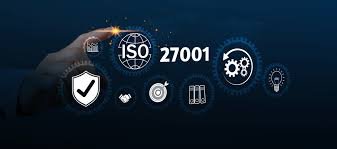

The need for robust digital defenses has never been more pressing, which is why achieving ISO 27001 certification has become the global benchmark for excellence in managing data security. ISO 27001 (formally known as ISO/IEC 27001) is the internationally recognized standard that sets out the specifications for establishing, implementing, maintaining, and continually improving an Information Security Management System (ISMS). For any organization serious about protecting sensitive client and proprietary data, this framework provides the systematic approach necessary to manage and mitigate risks effectively. It’s not just a compliance checkbox; it’s a commitment to building a resilient security posture that can withstand the ever-evolving landscape of cyber threats, positioning certified organizations as leaders in digital trust and integrity.
What is the ISO/IEC 27001 Standard?
The ISO 27001 standard is more than just a list of security controls; it provides a comprehensive management system approach. This means that instead of simply installing security technology, organizations must integrate security into their core business processes, treating it as a continuous cycle of improvement. The framework is built around the Plan-Do-Check-Act (PDCA) model, which ensures that security is consistently monitored, reviewed, and enhanced over time.
The most recent iteration, ISO 27001:2022, integrates modern challenges, including a revised Annex A control set (A.5-A.8) covering organizational, people, physical, and technological controls. Adopting this rigorous ISO 27001 information security framework requires organizations to:
-
Define Scope: Clearly delineate the boundaries of the ISMS within the organization’s context.
-
Conduct Risk Assessment: Identify, analyze, and evaluate potential information security risks.
-
Apply Controls: Select appropriate controls from Annex A to treat identified risks.
-
Continuous Monitoring: Regularly audit and review the system’s performance to ensure ongoing suitability and effectiveness.
By adhering to this systematic approach, organizations move away from reactive security measures toward proactive, strategic risk governance.
The Strategic Edge: Benefits of ISO 27001 Compliance
For modern businesses, achieving ISO 27001 compliance delivers far-reaching benefits that extend well beyond the IT department. The certification acts as a powerful strategic tool in a competitive global market.
Building Trust and Gaining a Competitive Advantage
In today’s interconnected world, clients, partners, and stakeholders demand assurance that their data is safe. ISO 27001 accreditation is the globally recognized proof of that assurance. By achieving certification, companies instantly distinguish themselves from competitors, especially when bidding for contracts that involve handling sensitive government, financial, or personal information (like GDPR-protected data). This enhanced customer trust can be a significant marketing advantage.
Systematic Risk Management and Cost Savings
The framework requires a detailed risk assessment that identifies vulnerabilities before they are exploited. This proactive approach to ISO cyber security significantly reduces the likelihood of costly data breaches, legal fines, and regulatory penalties. Investing in a robust ISMS framework, guided by qualified ISO 27001 consultants, results in long-term cost savings by minimizing downtime, reducing insurance premiums, and preventing fines associated with non-compliance with regional data laws like GDPR or HIPAA.
Operational Efficiency and Organisational Structure
Implementing an ISMS necessitates clearly defined policies, roles, and responsibilities across all departments. This process naturally strengthens internal structure and operational efficiency. By defining incident response plans and formalizing security procedures, the organization becomes better equipped to handle disruptions, ensuring greater business continuity.
Navigating Certification: The Role of Expert Services
The path to achieving ISO 27001 accreditation can be complex, especially for organizations implementing the standard for the first time or migrating to the updated 2022 version. This is where specialized ISO 27001 services and expert guidance become invaluable.
Professional ISO 27001 consultants typically follow a structured, multi-stage approach:
-
Gap Assessment and Scoping: An initial review of the organization’s current security posture against the ISO 27001 standard requirements. This identifies gaps and defines the precise scope of the ISMS.
-
Implementation and Documentation: Assisting with the creation of mandatory documentation, including the Statement of Applicability (SoA), risk treatment plans, and all supporting policies and procedures. This often involves leveraging virtual CISO expertise to manage information security operations.
-
Internal Audit and Readiness Review: Conducting thorough internal audits to ensure the ISMS is functioning effectively and that all controls are properly implemented before the formal external audit begins.
-
External Audit Support: Guiding the organization through Stage 1 (documentation review) and Stage 2 (control testing) of the UKAS-accredited external certification body audit, providing assistance with any queries or non-conformities that may arise.
Working with experienced professionals ensures that the implementation is efficient, tailored to the organization’s needs, and avoids common pitfalls that can delay certification.
Frequently Asked Questions (FAQ)
1. What is the difference between ISO 27001 and ISO 27002?
ISO 27001 is the management standard that defines the requirements for the ISMS. ISO 27002 is the code of practice that provides guidance and a catalog of recommended security controls (Annex A controls) that organizations can select from to meet the requirements of ISO 27001.
2. How long does it take to achieve ISO 27001 certification?
The timeline varies based on the size and complexity of the organization, the scope of the ISMS, and the maturity of existing security practices. Typically, the implementation process takes between 6 to 12 months, followed by the external Stage 1 and Stage 2 audits. Using ISO 27001 consultants can significantly accelerate this process.
3. Is ISO 27001 mandatory for all businesses?
No, ISO 27001 is generally not legally mandated. However, it is increasingly becoming a contractual requirement, particularly in vendor supply chains, government tenders, and business-to-business (B2B) agreements where partners exchange sensitive data.
4. What is the significance of the 2022 update?
The ISO 27001:2022 update primarily focused on revising the Annex A controls (from 114 controls to 93) to better reflect modern threats and cloud environments. It introduced new controls related to threat intelligence, physical security monitoring, and configuration management, making the standard more effective for modern iso cyber security threats.
5. Can a small business (SME) implement ISO 27001?
Absolutely. The ISO 27001 standard is designed to be scalable. Small and medium-sized enterprises (SMEs) can define a tailored scope and select only the necessary controls to manage their specific risks, making it an achievable and valuable goal for businesses of any size.
Conclusion
ISO 27001 certification is far more than a technical project—it is a strategic investment in the long-term viability and credibility of your business. By adopting this world-class framework, companies not only shield themselves against pervasive iso cyber security threats but also open doors to new markets and fortify stakeholder confidence. The systematic, risk-based approach ensures that information security becomes an intrinsic part of the organizational culture, driving continuous improvement and resilience.
If your organization is ready to secure its digital future and gain the definitive advantage of ISO 27001 accreditation, partnering with certified experts is the clear first step.
Ready to implement a robust Information Security Management System? Learn more about comprehensive ISO 27001 services and expert consultation here: